
The Built Environment:
Photographing the Spaces We Inhabit
Built Environment Photography
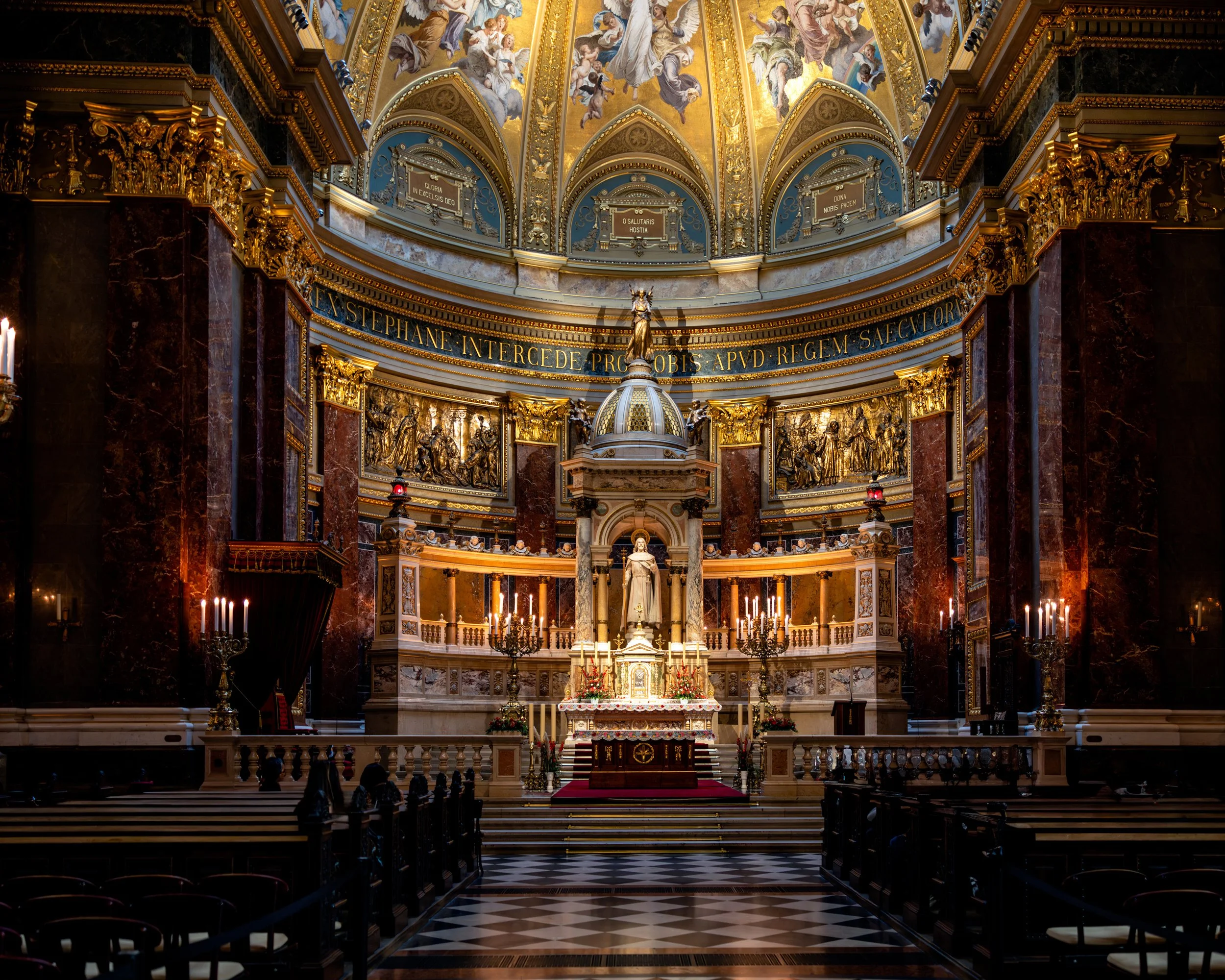
Architecture shapes emotion long before we consciously recognize it.
The spaces we move through — hospitals, hotels, corporate environments, cultural institutions, and public architecture — influence how we feel, think, recover, and connect. My work within the built environment focuses on photographing those emotional relationships between structure, light, atmosphere, and human presence.
Rather than approaching architecture as purely documentary photography, I create cinematic and atmospheric images that explore how light, texture, scale, and silence interact within designed spaces. Many of these photographs exist somewhere between architectural study and emotional landscape, emphasizing not only the structure itself, but the experience of inhabiting it.
Influenced by the cinematic urban pacing of Wim Wenders, the painterly color sensibilities of Ernst Haas, and the quiet restraint of contemporary fine art photography, the work often focuses on:
layered architectural light
reflective surfaces
atmospheric transitions
historic textures
solitude within public space
the emotional resonance of modern and historic environments
The collection includes:
European architectural studies
contemporary urban reflections
museums and public spaces
night architecture
minimalist structural abstractions
atmospheric city imagery
human presence within designed environments
“I’m interested in how people experience space emotionally.
”
Design Philosophy
“Space, light and order. Those are the things that men need just as much as they need bread or a place to sleep.
”
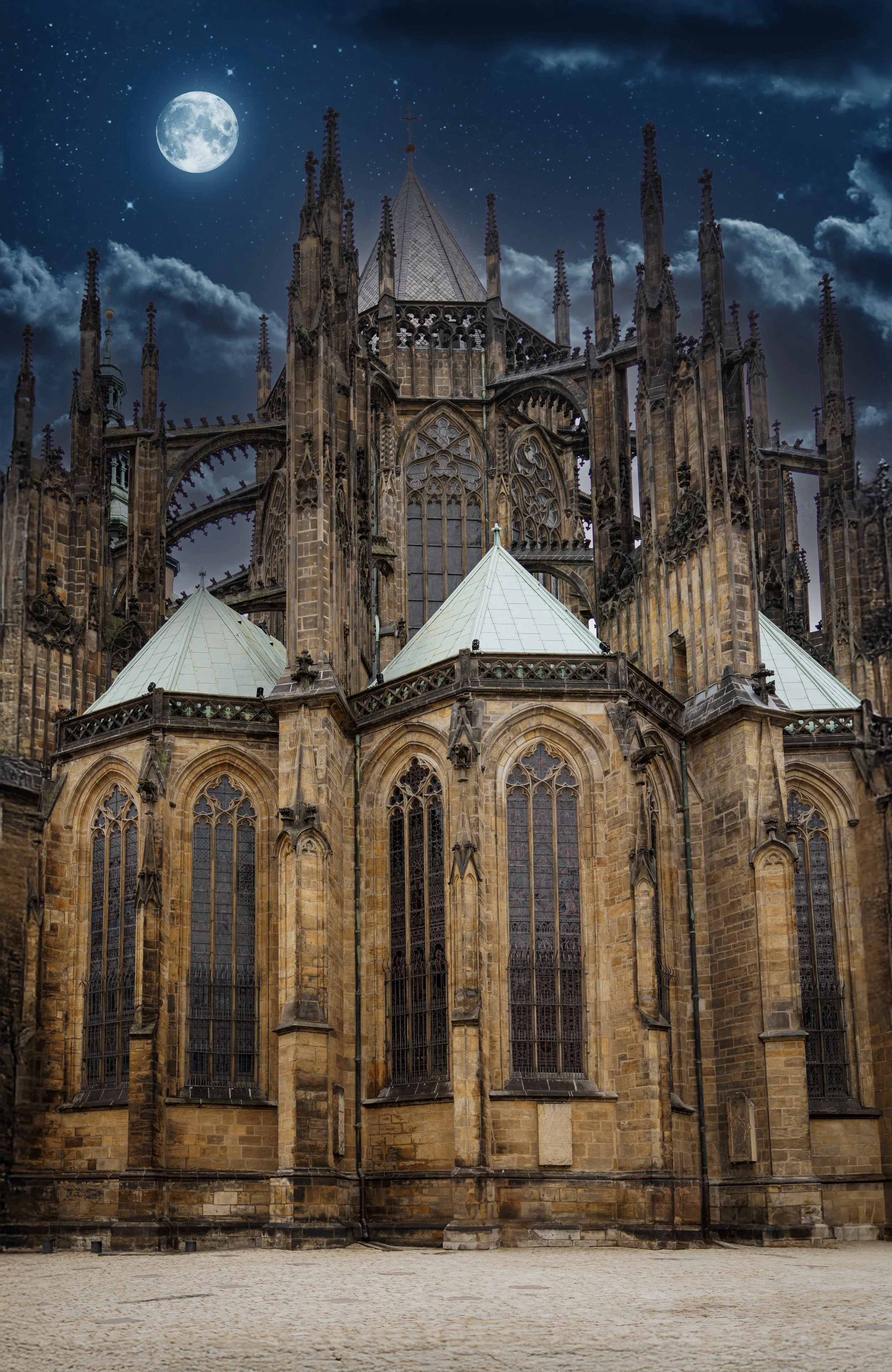
The built environment is never static.
Light changes architecture.
Weather changes architecture.
Human presence changes architecture.
Memory changes architecture.
My goal is to create images that allow viewers to emotionally enter a space rather than simply observe it.
These photographs are not intended merely as records of buildings or locations, but as studies of atmosphere, perception, and emotional experience within the spaces we create around ourselves.
Available works include museum-quality presentation options in:
satin and semi-matte metal
framed archival paper
low-glare acrylic
framed canvas
Custom sizing, healthcare and hospitality consultation, and large-format installation inquiries are welcome.
Evidence-Based Design / Healthcare Section
Evidence-Based Design / Healthcare Section
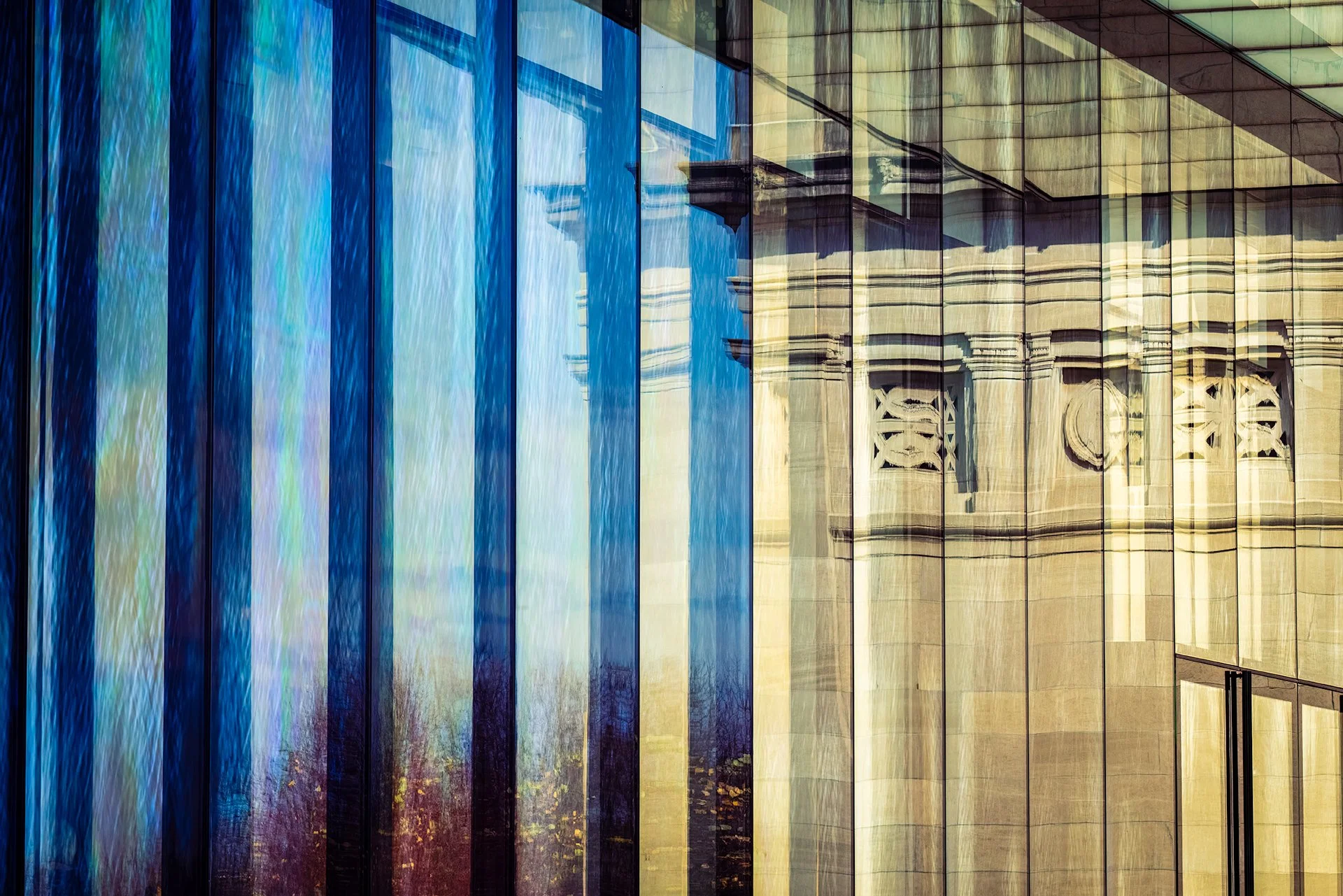
My background in healthcare and physical therapy strongly influences the way I photograph built environments.
Research in Evidence-Based Design has shown that visual environments can influence stress reduction, emotional regulation, cognitive restoration, and overall patient experience. (Reference) Rather than producing visually aggressive or purely decorative imagery, I focus on creating photographs where calm, permanence, and visual restraint are essential to the experience of the space.
These works are especially well suited for:
healthcare systems
behavioral health environments
hospitality interiors
executive offices
wellness-focused architecture
contemporary residential spaces
restorative public environments
Many pieces are intentionally designed around:
restrained color palettes
contemplative pacing
layered atmospheric depth
soft transitions of light and shadow
emotional openness
cinematic stillness
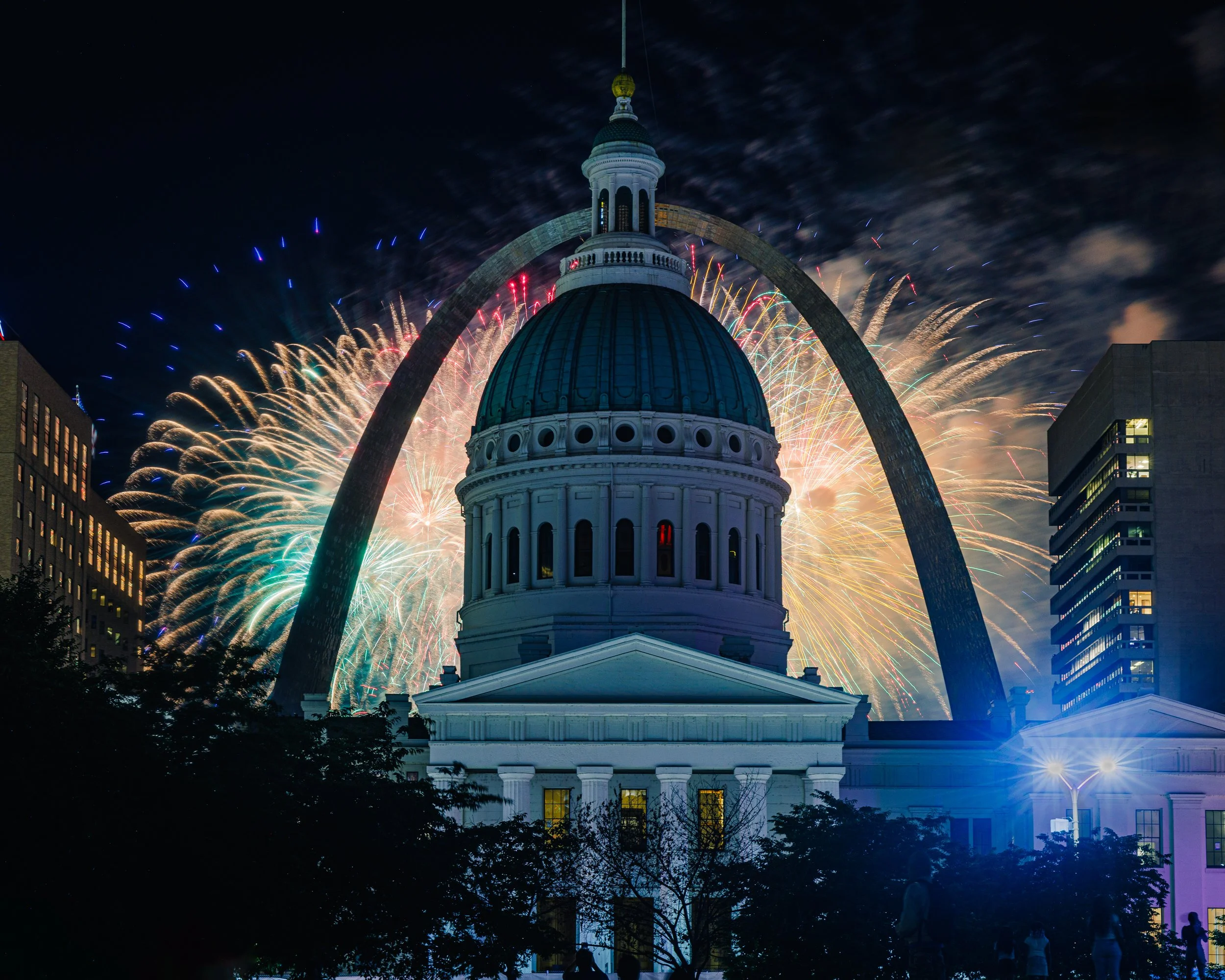
Architects, Collectors, designers, healthcare organizations, and hospitality groups interested in licensing or large-scale presentation may contact me directly for portfolio consultation and project collaboration.
“I’m interested not only in how spaces look, but in how they feel to inhabit.”