
Western Silence
Western Silence: Southwest Desert Landscape Photography
A Closer Look
Explore the finer details of each photograph by hovering over an image to reveal subtle focus and texture, or click to expand the work into a distraction-free viewing environment. This immersive view allows each study of Silence through the American West to be experienced at its full scale and proportion.
Search for a specific photograph, series, or browse the curated collections. Looking for a particular format? Search by Square or 1:1, Landscape or 3:2, or Panorama or 16:9.
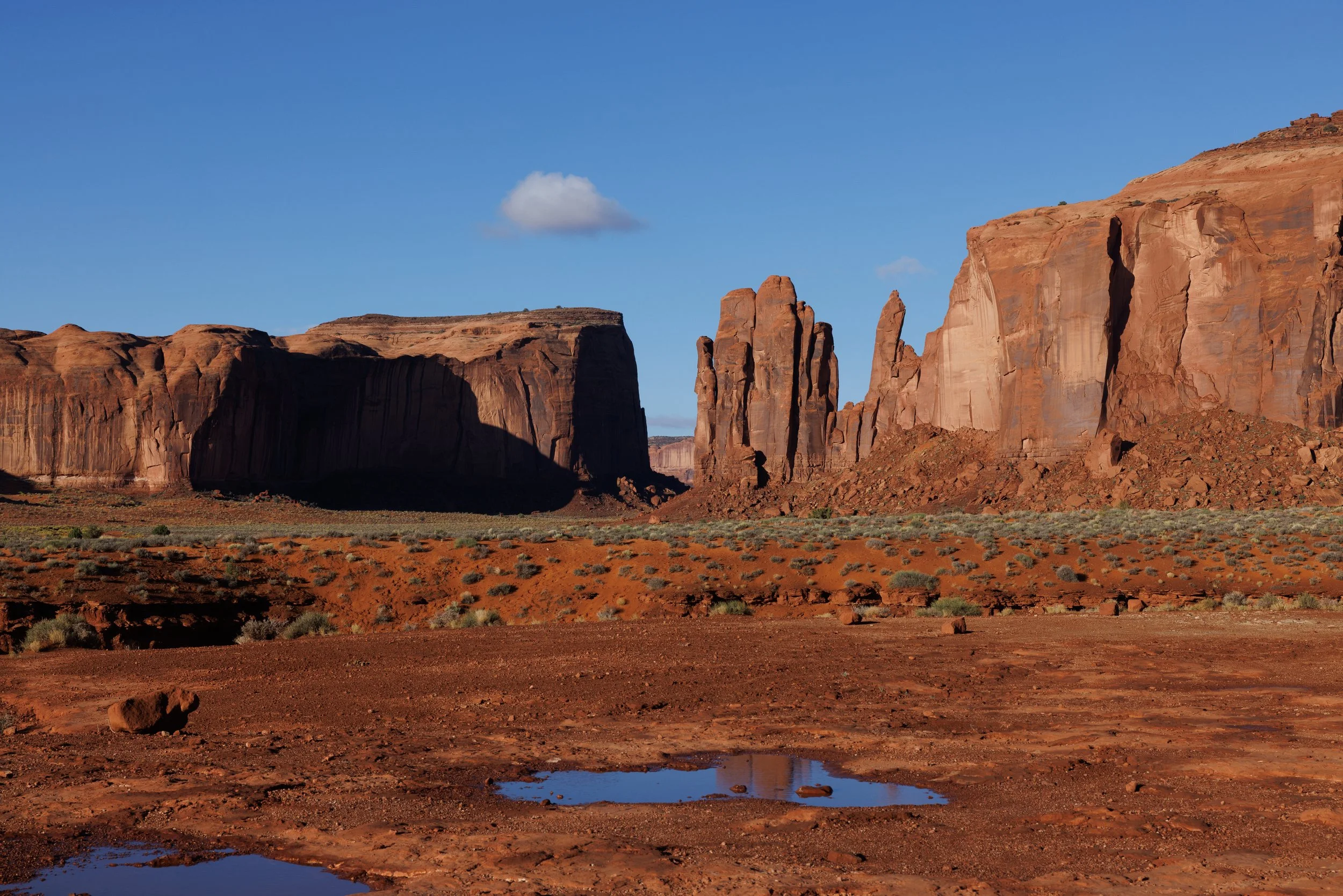
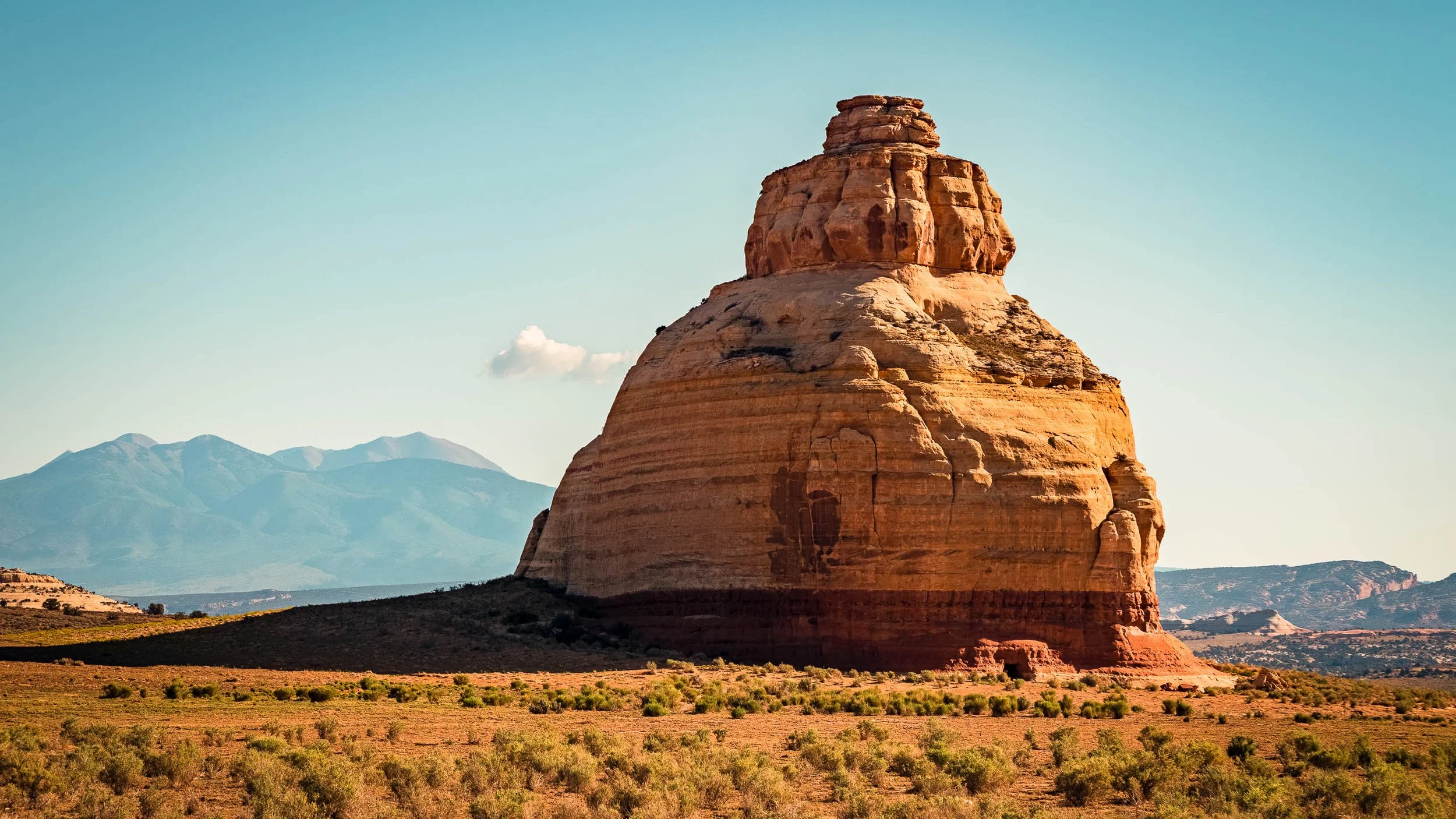
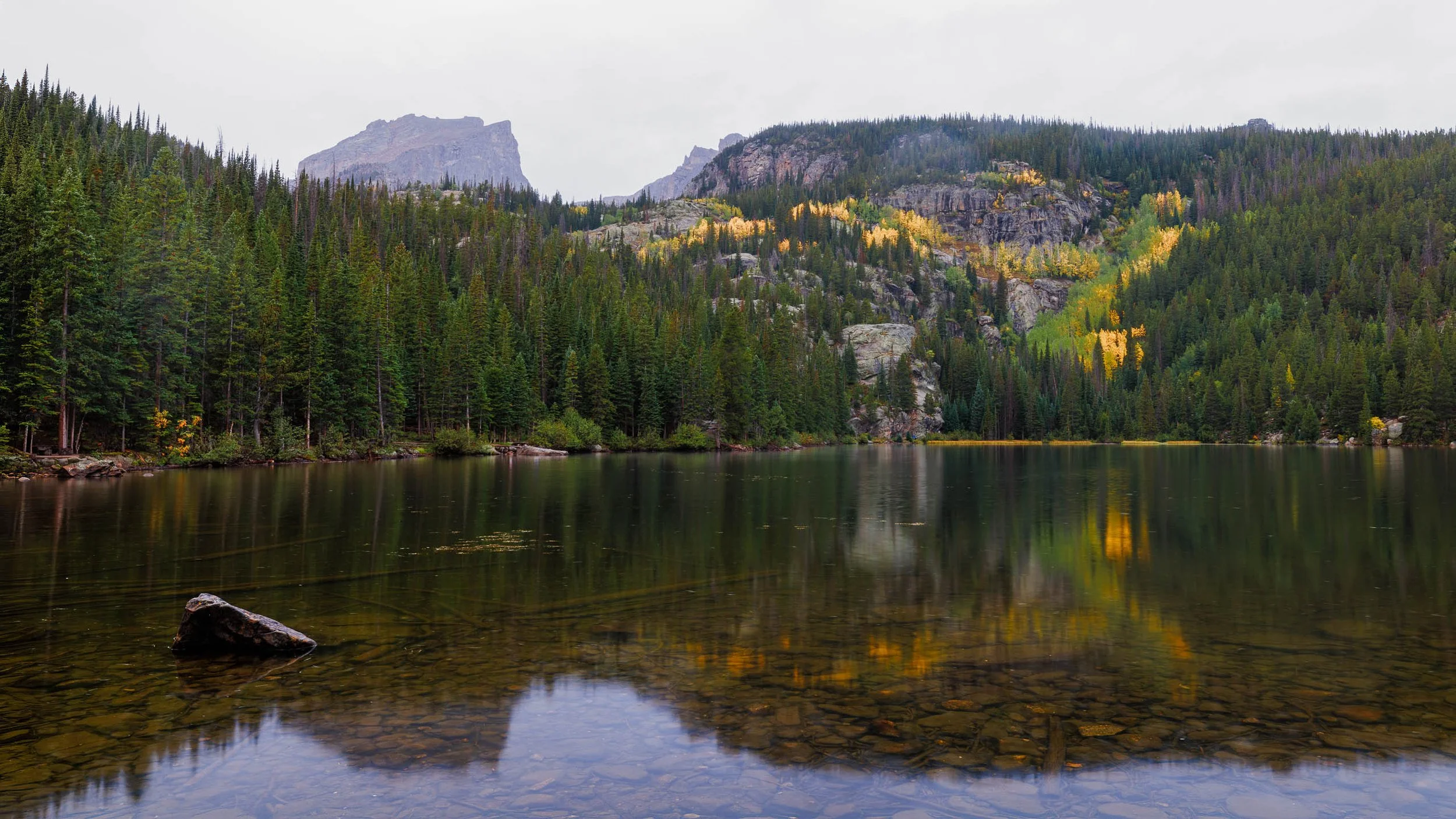
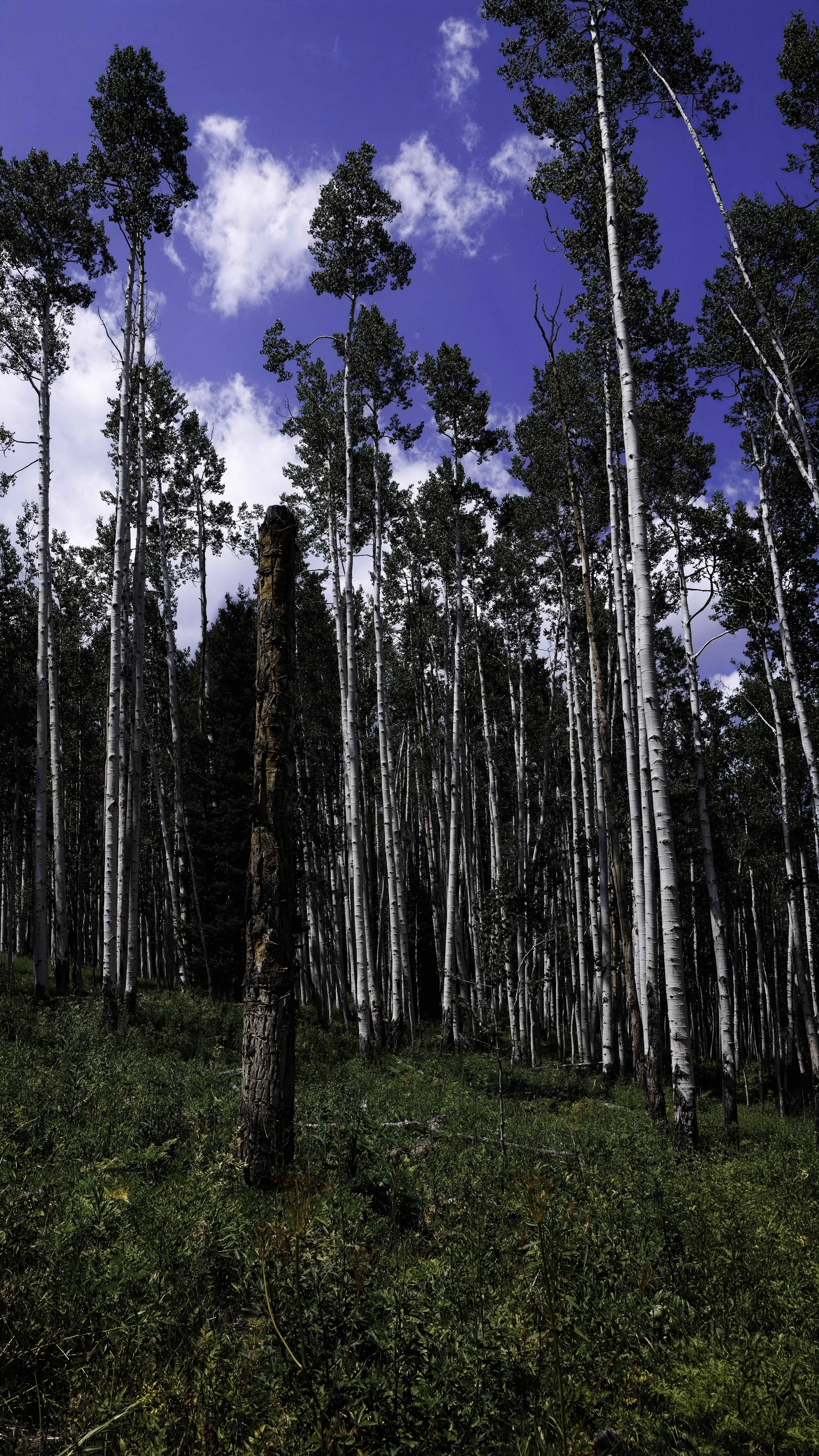
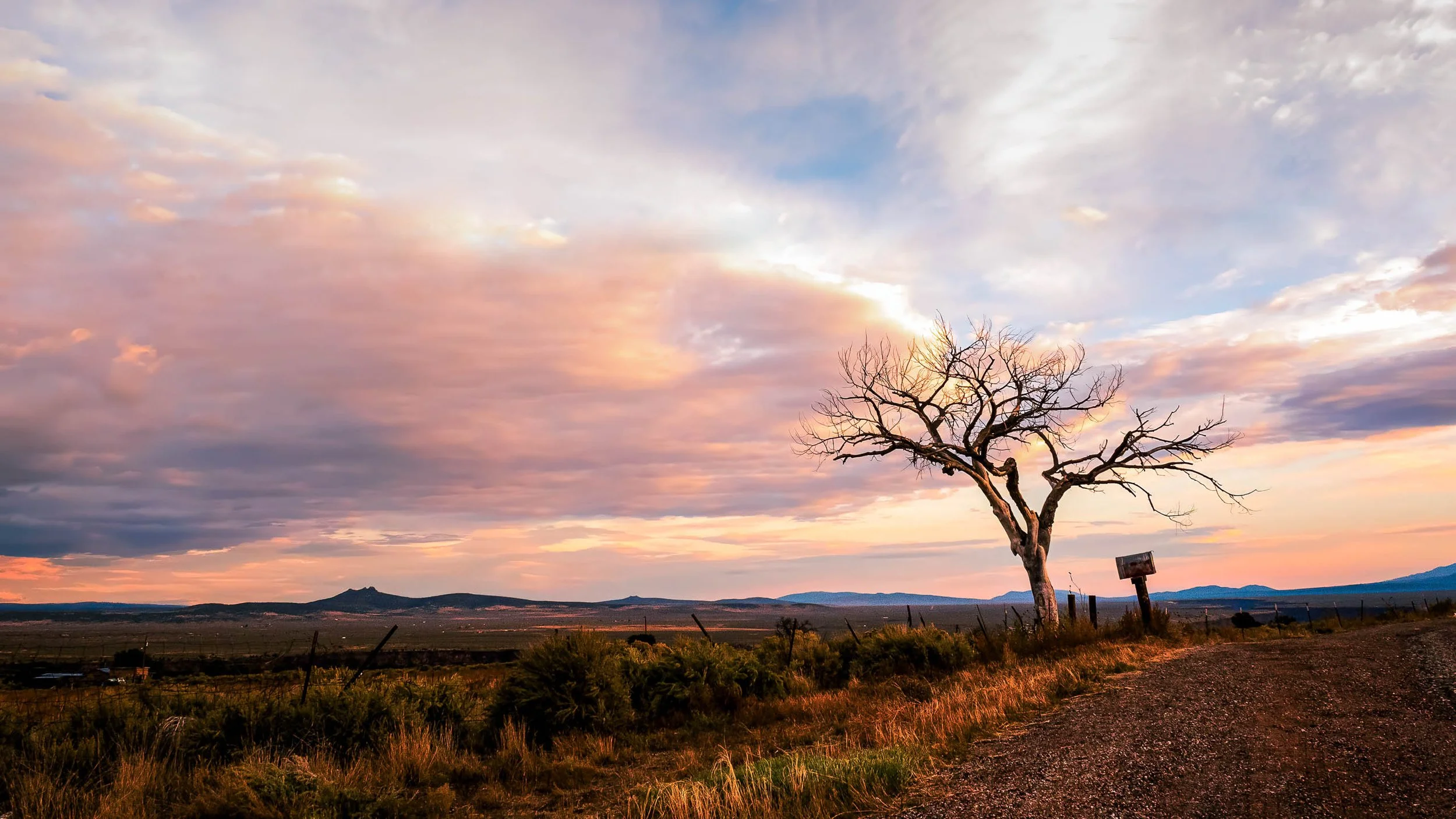
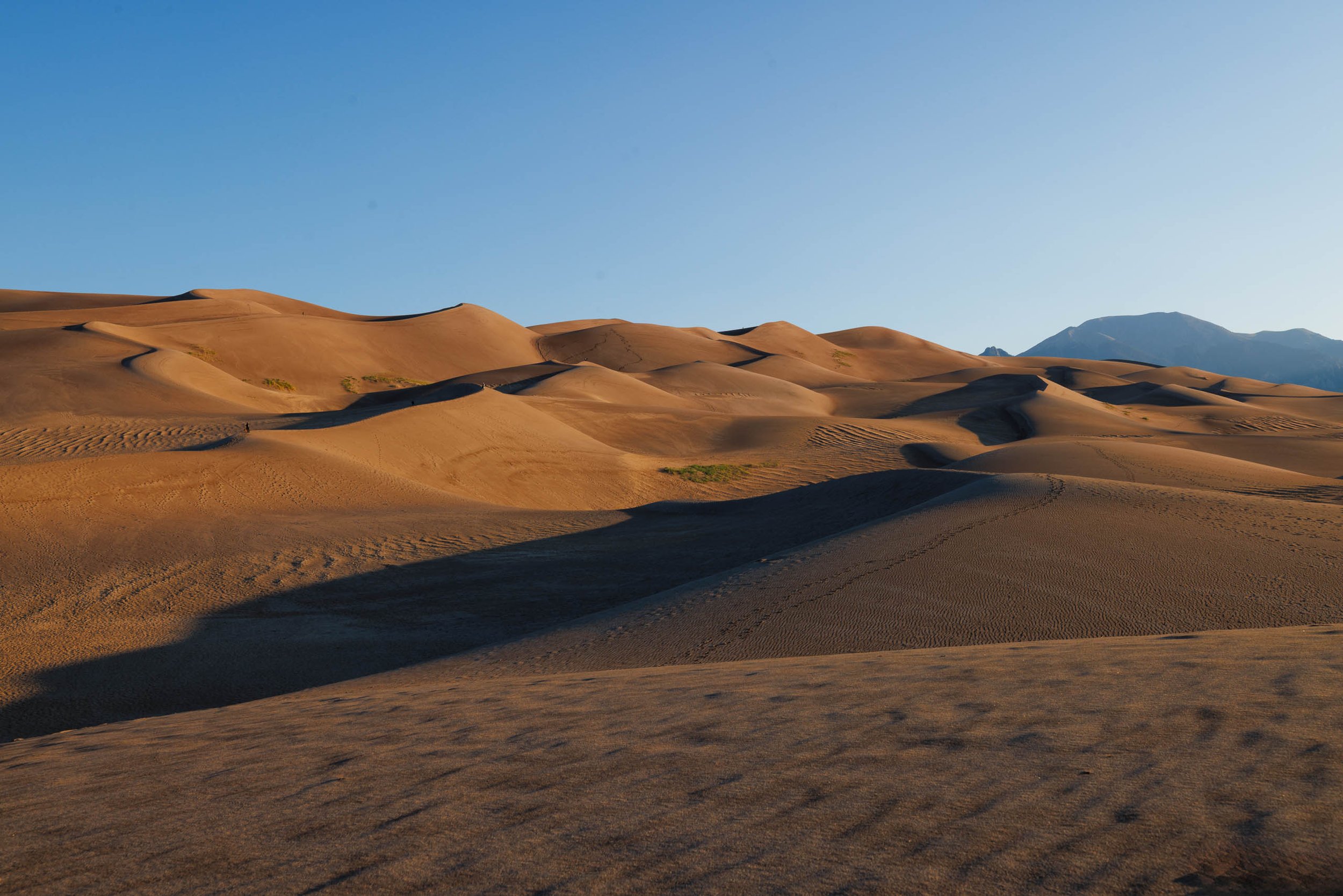
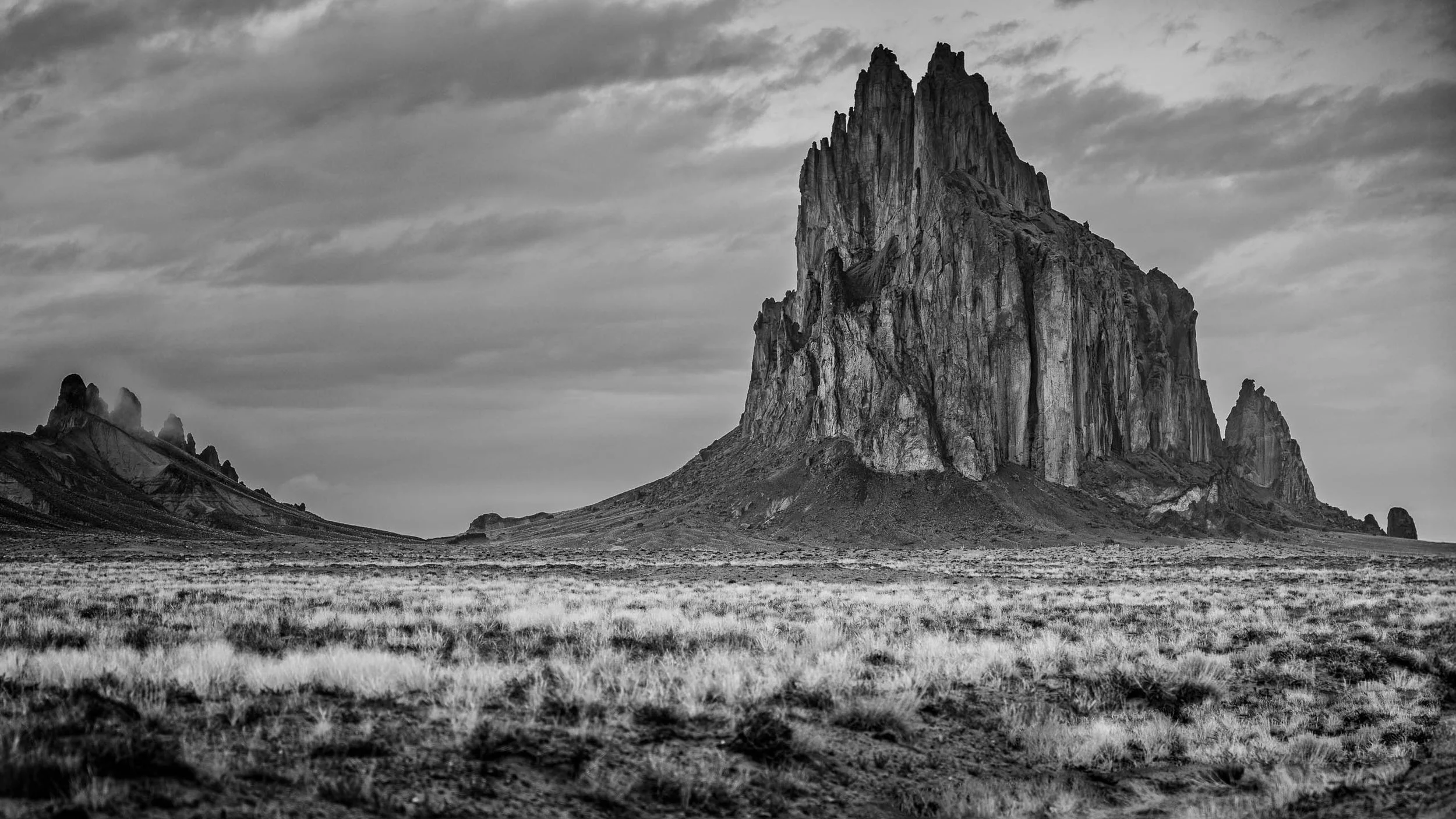
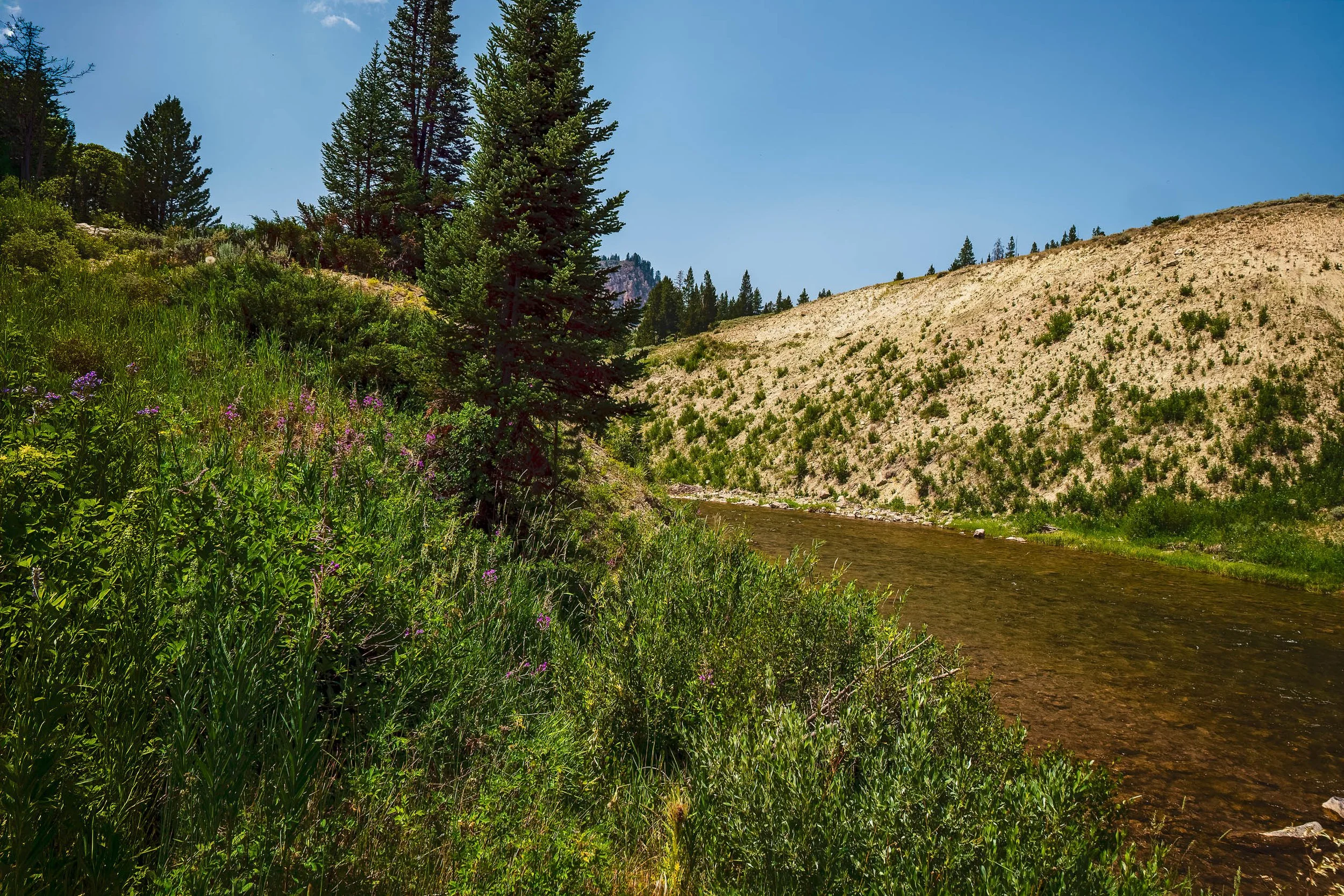
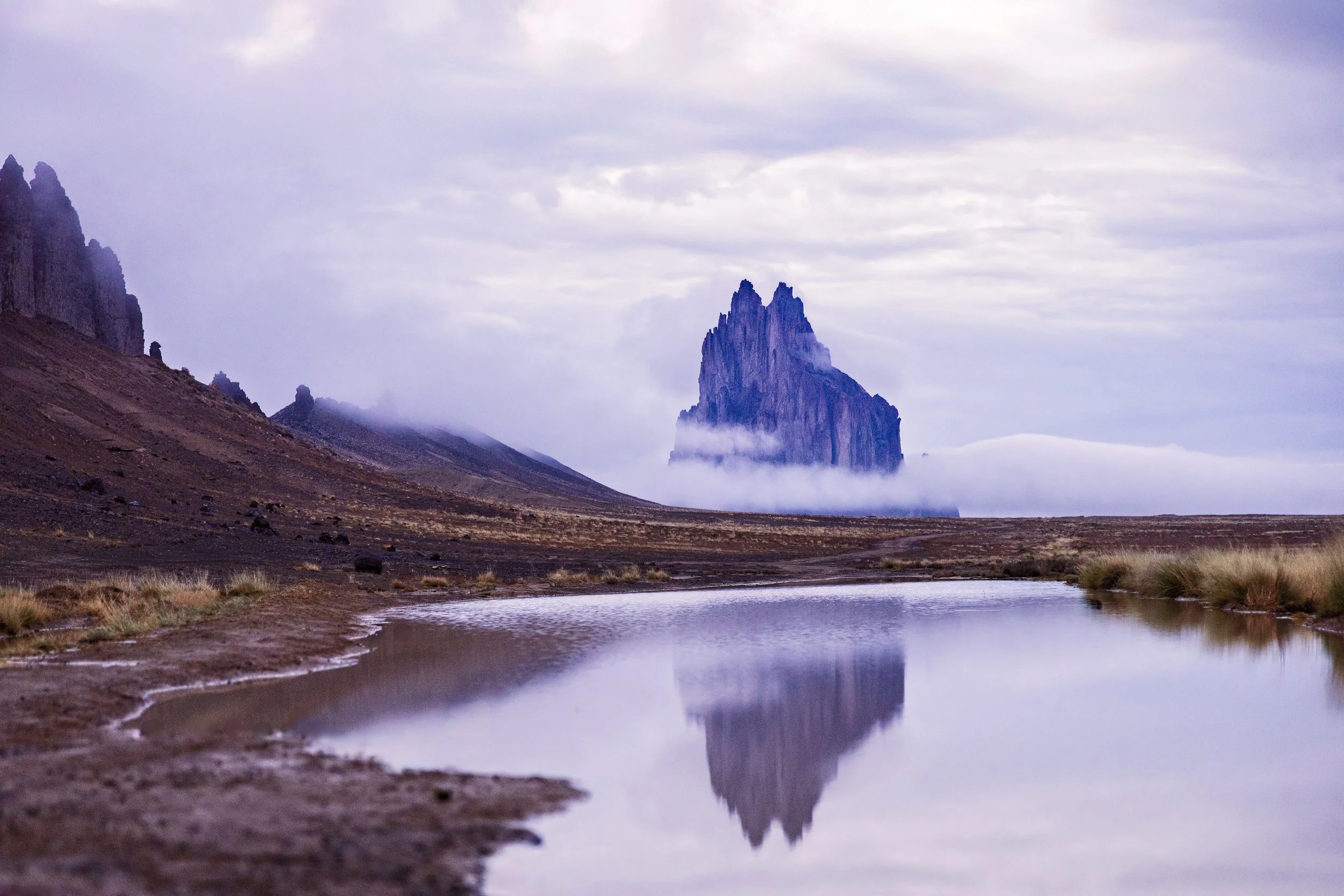
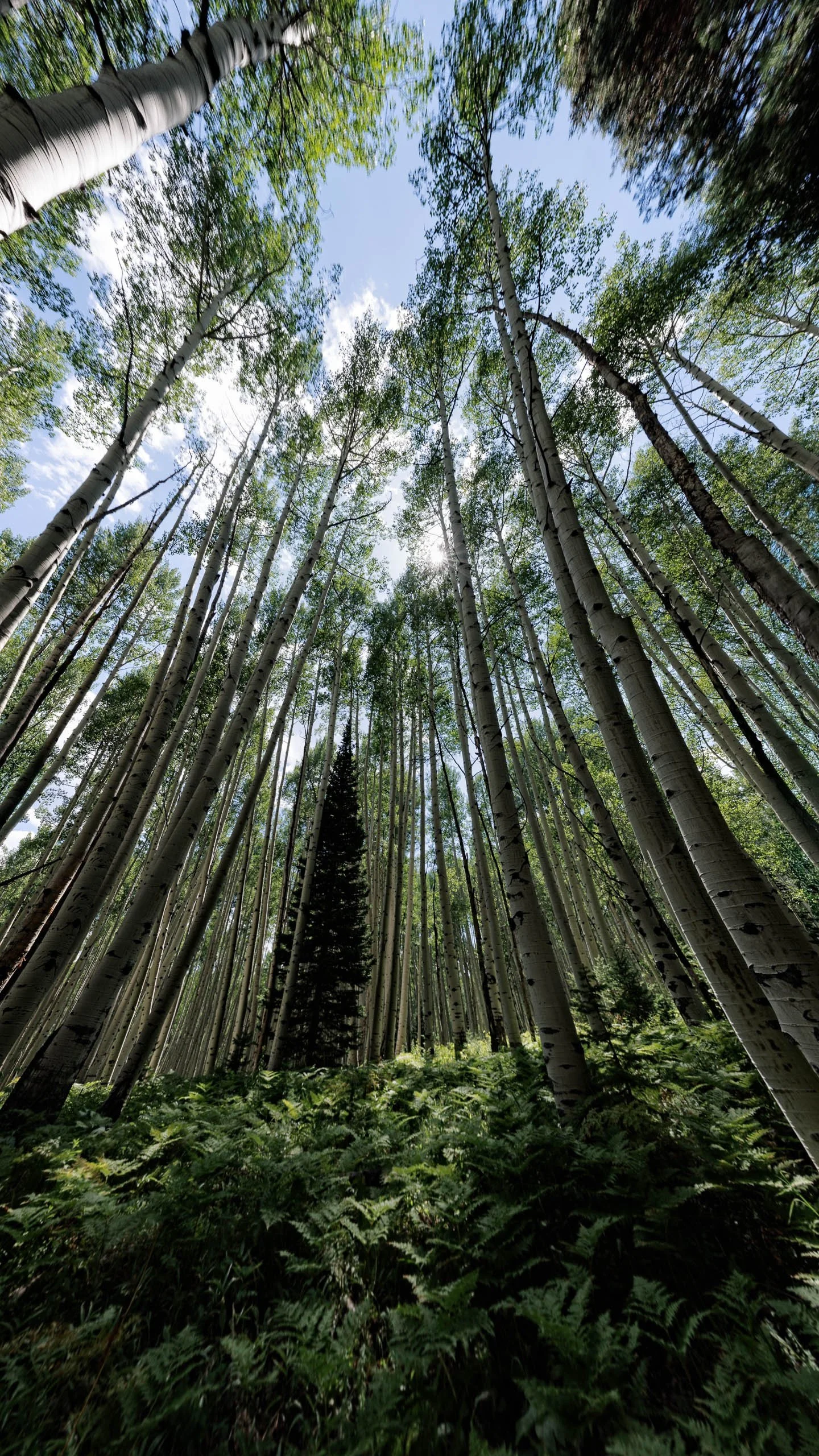
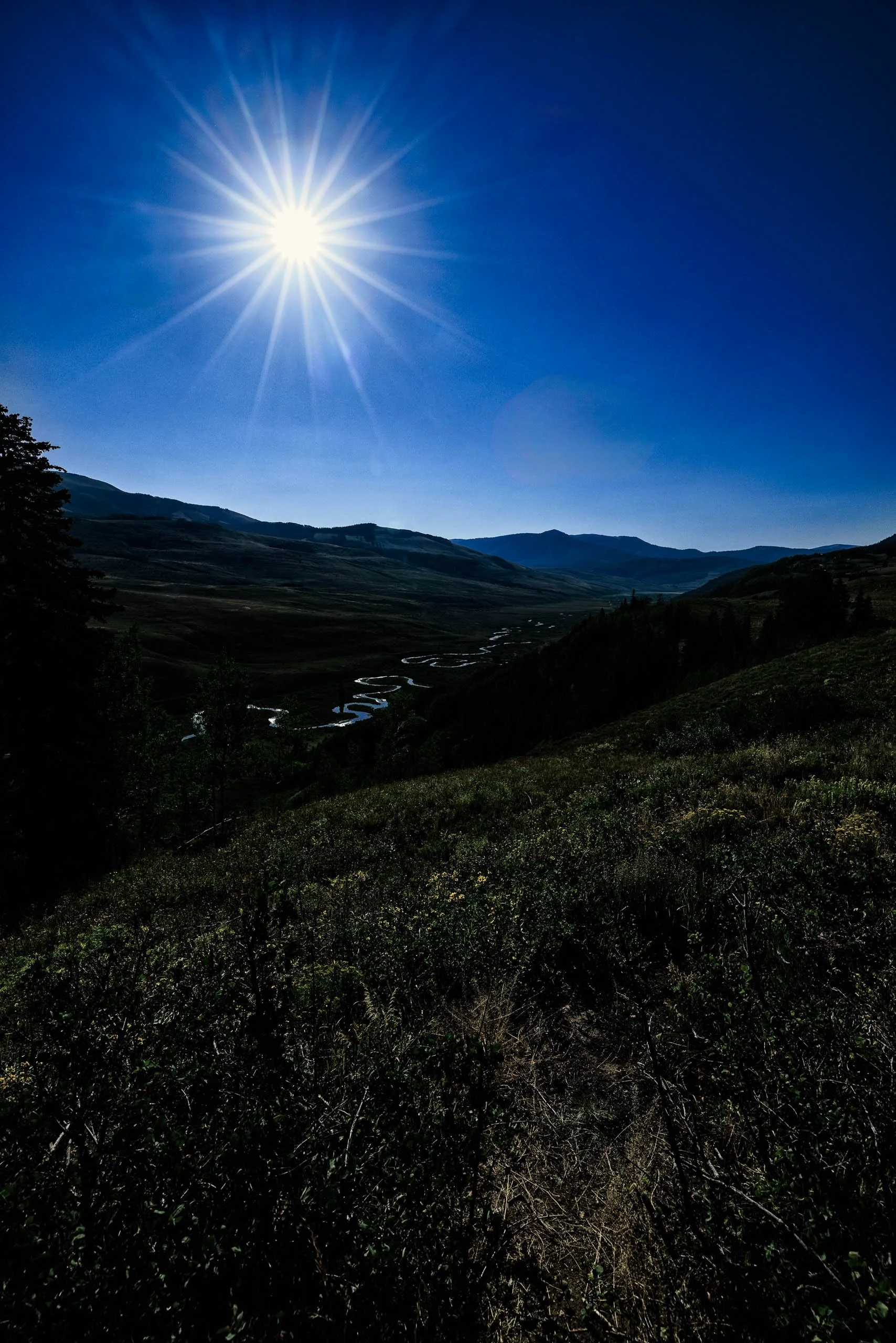
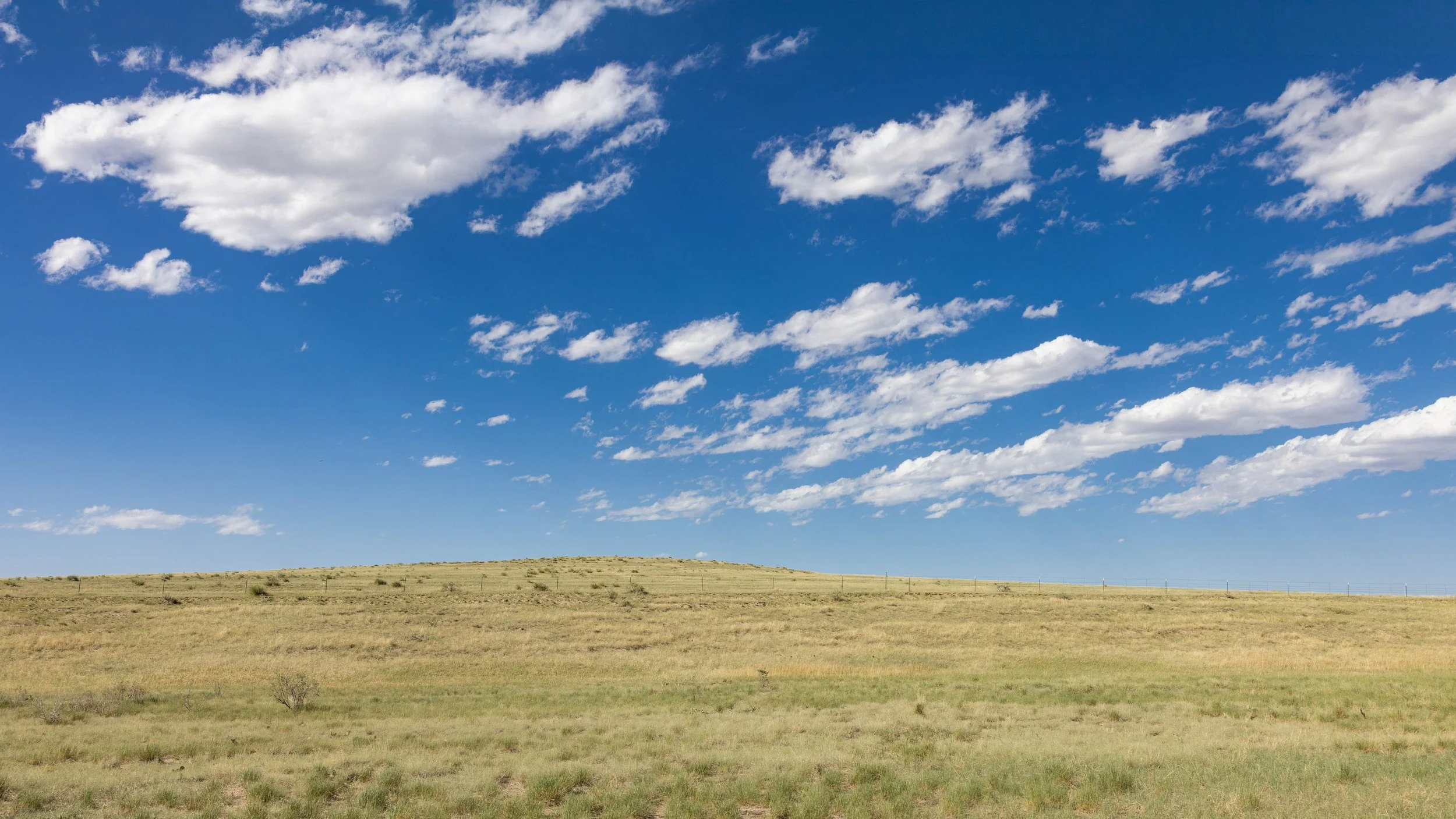
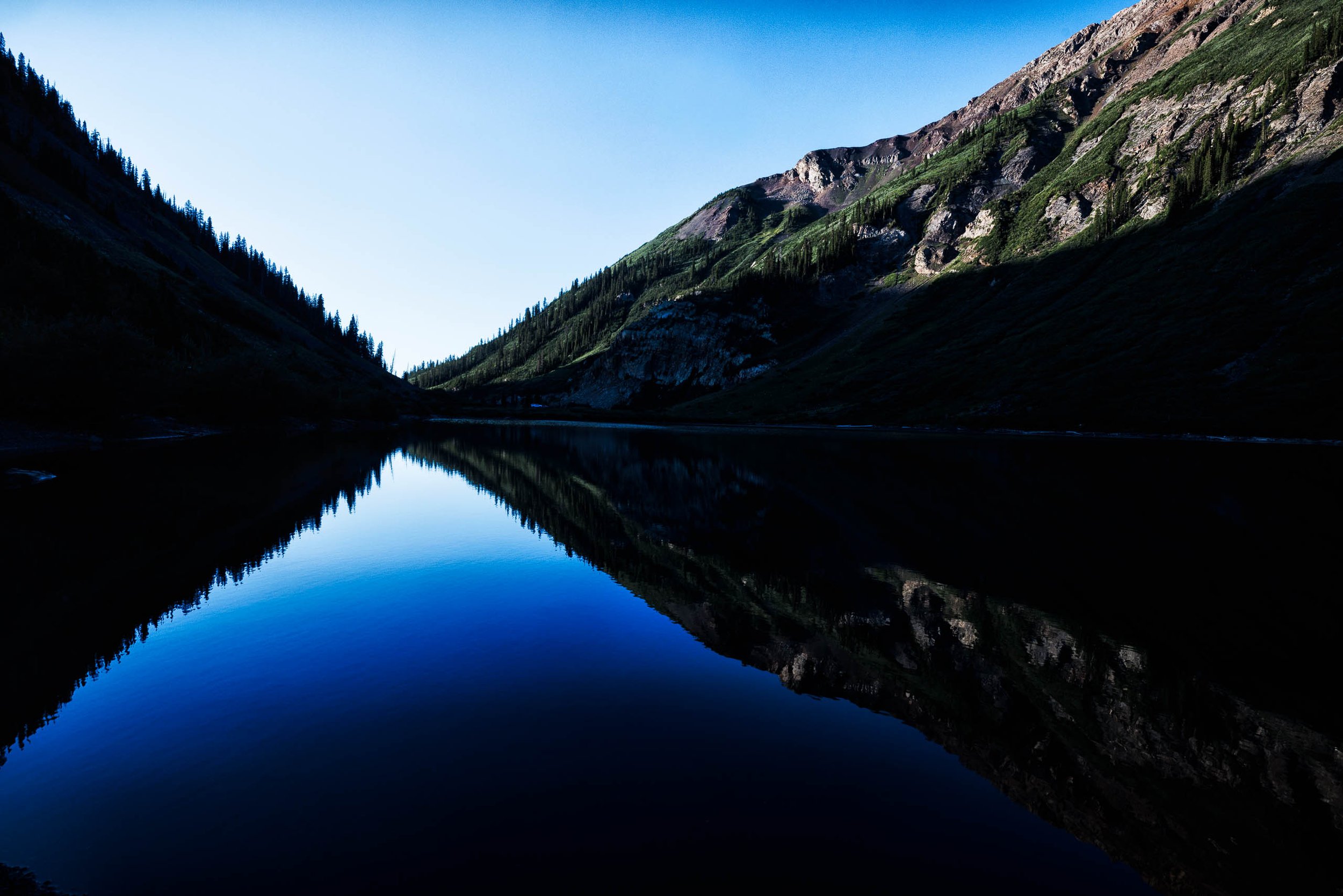
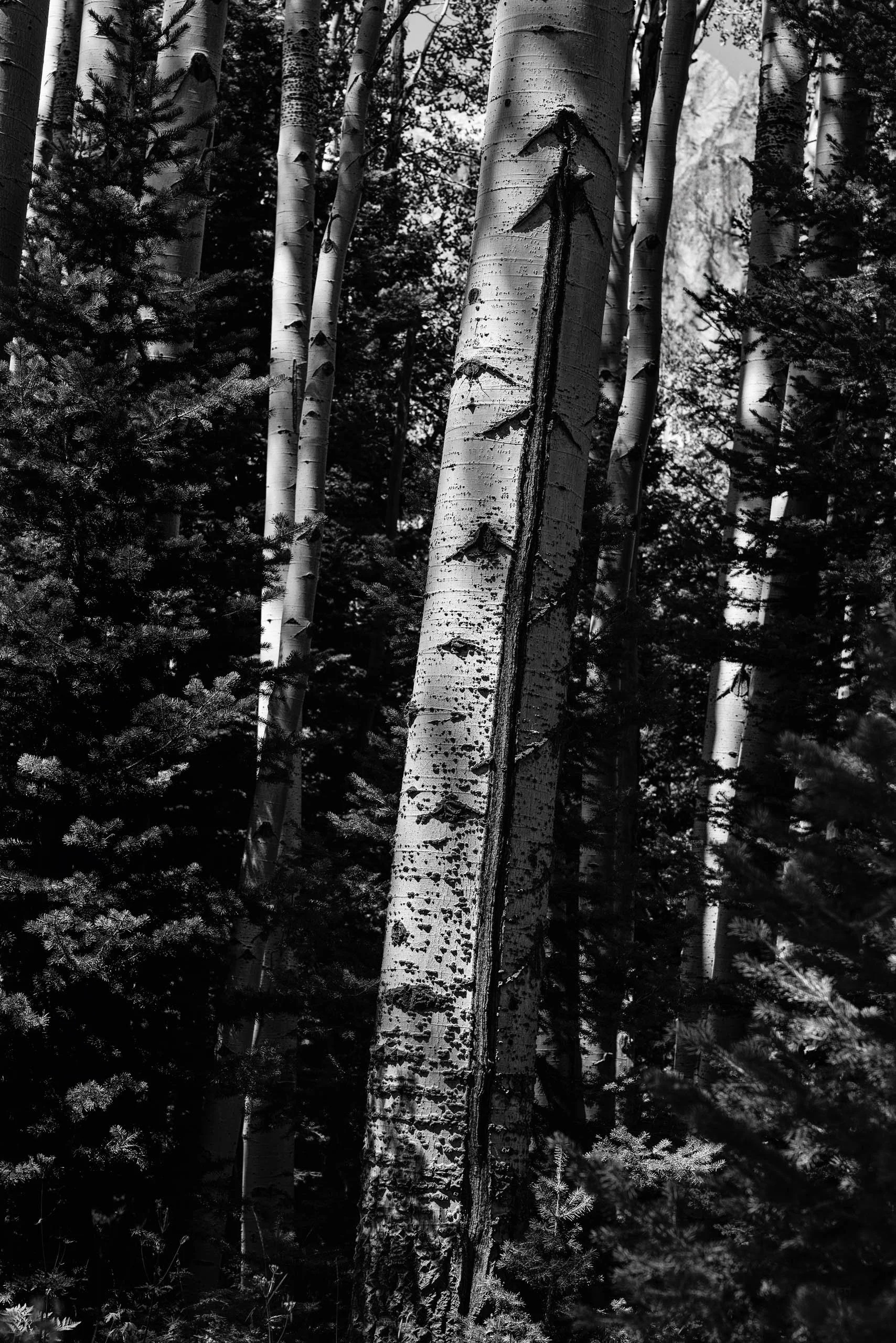
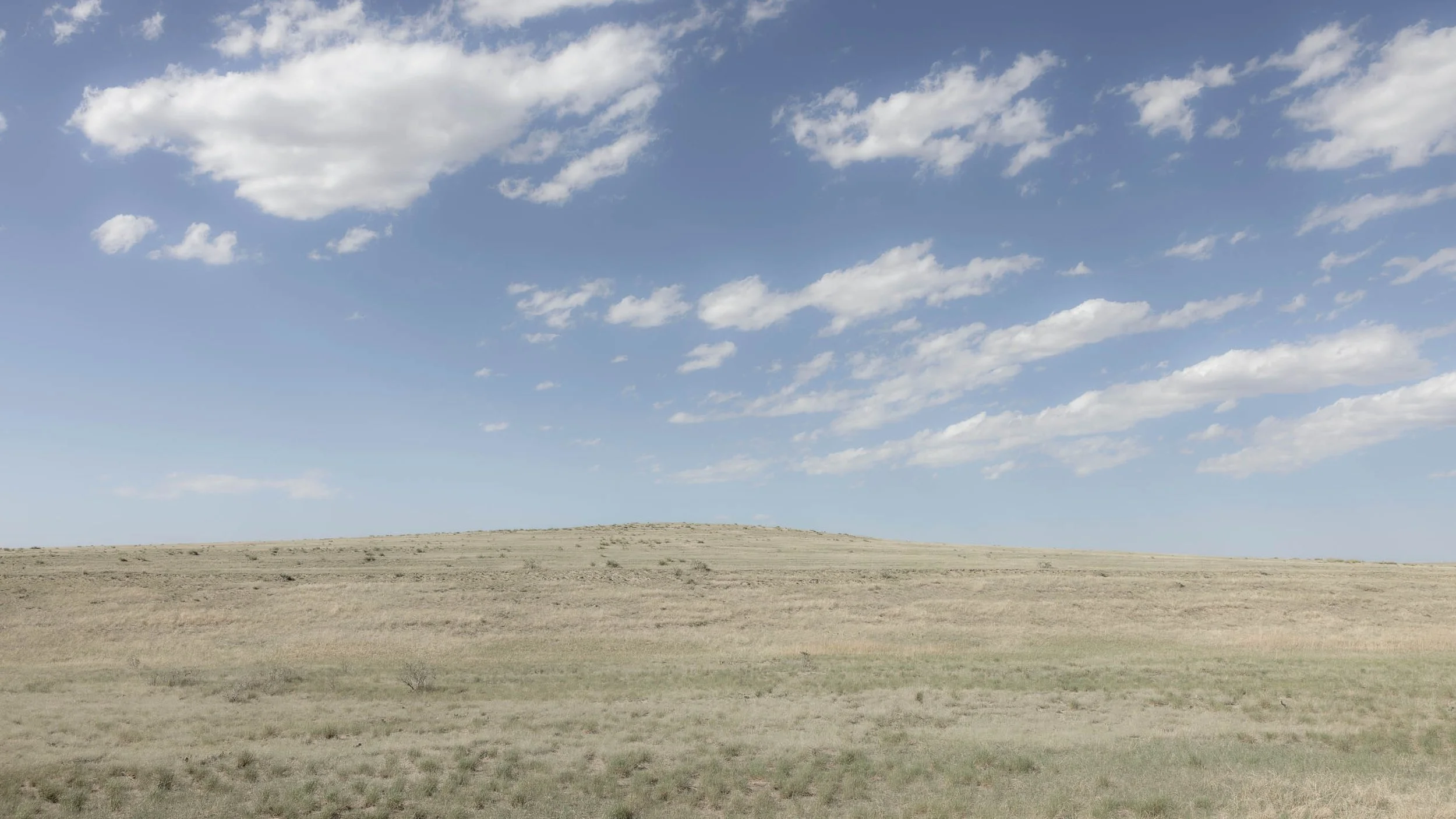
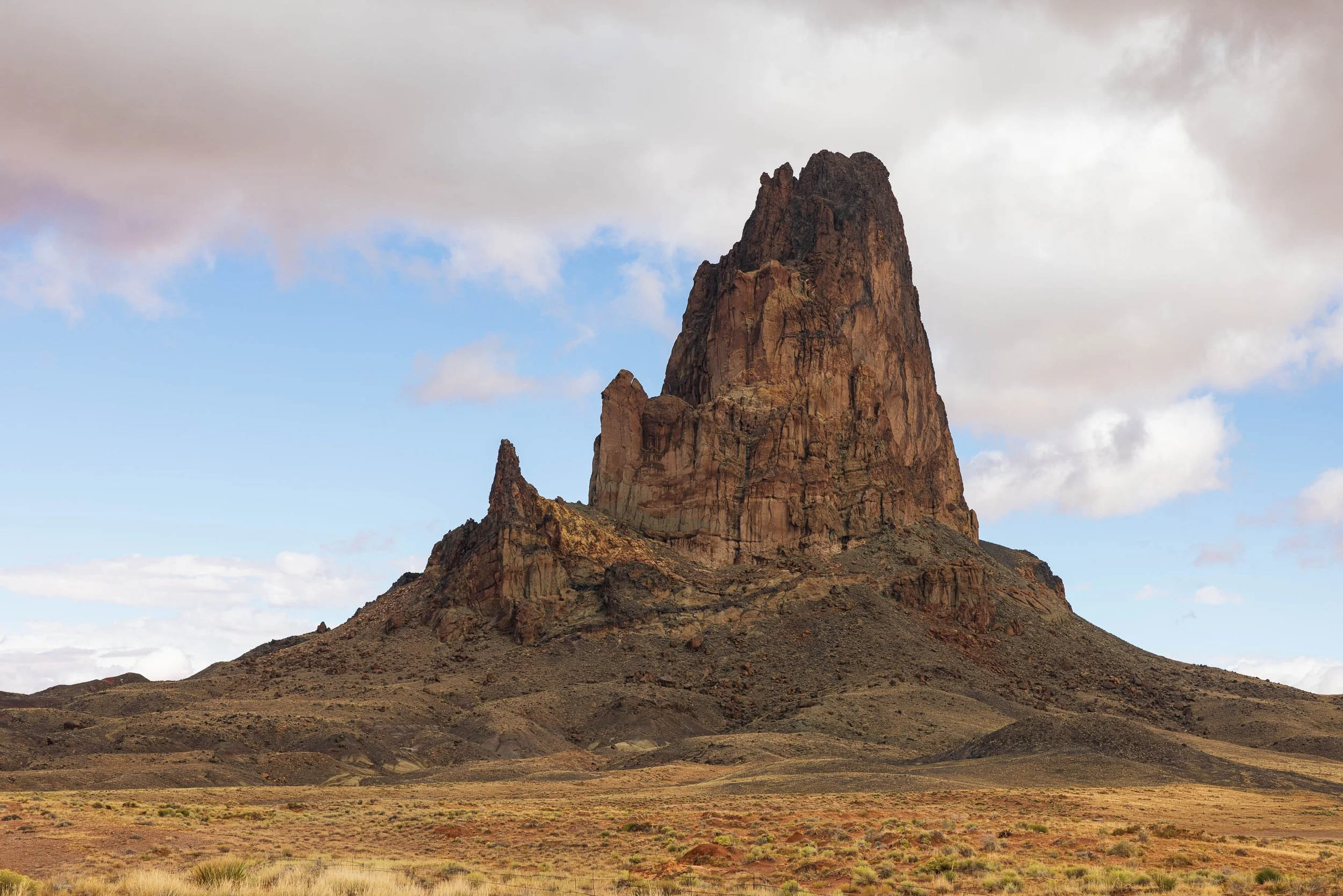
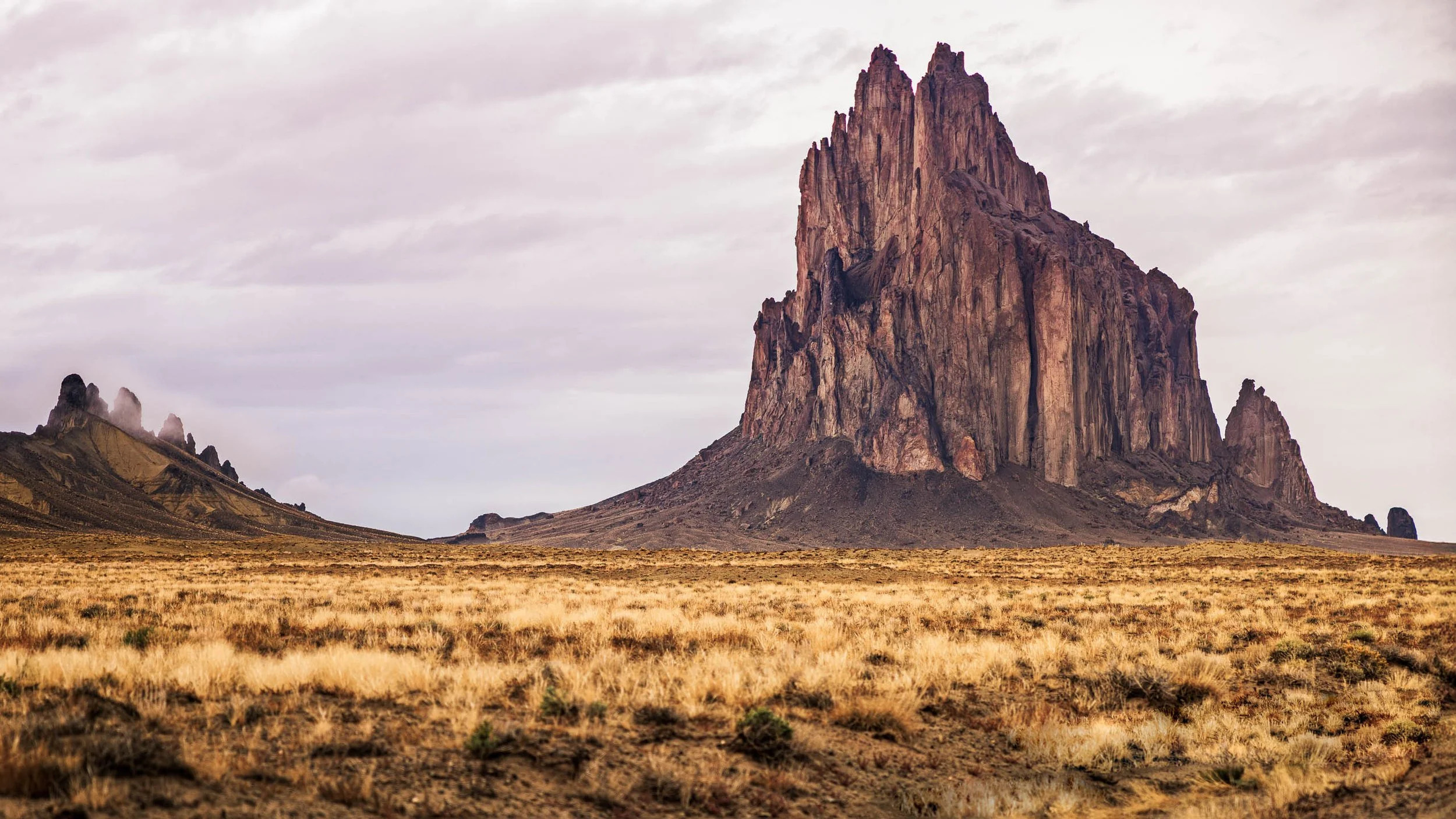
The American West has long been a place of distance, scale, and possibility. Its deserts, mesas, mountains, canyons, and open horizons invite a different way of seeing—one shaped by patience, solitude, and an awareness of the vast landscapes that stretch far beyond the limits of human presence. The photographs in this collection explore those quieter moments when the land itself becomes the primary voice.
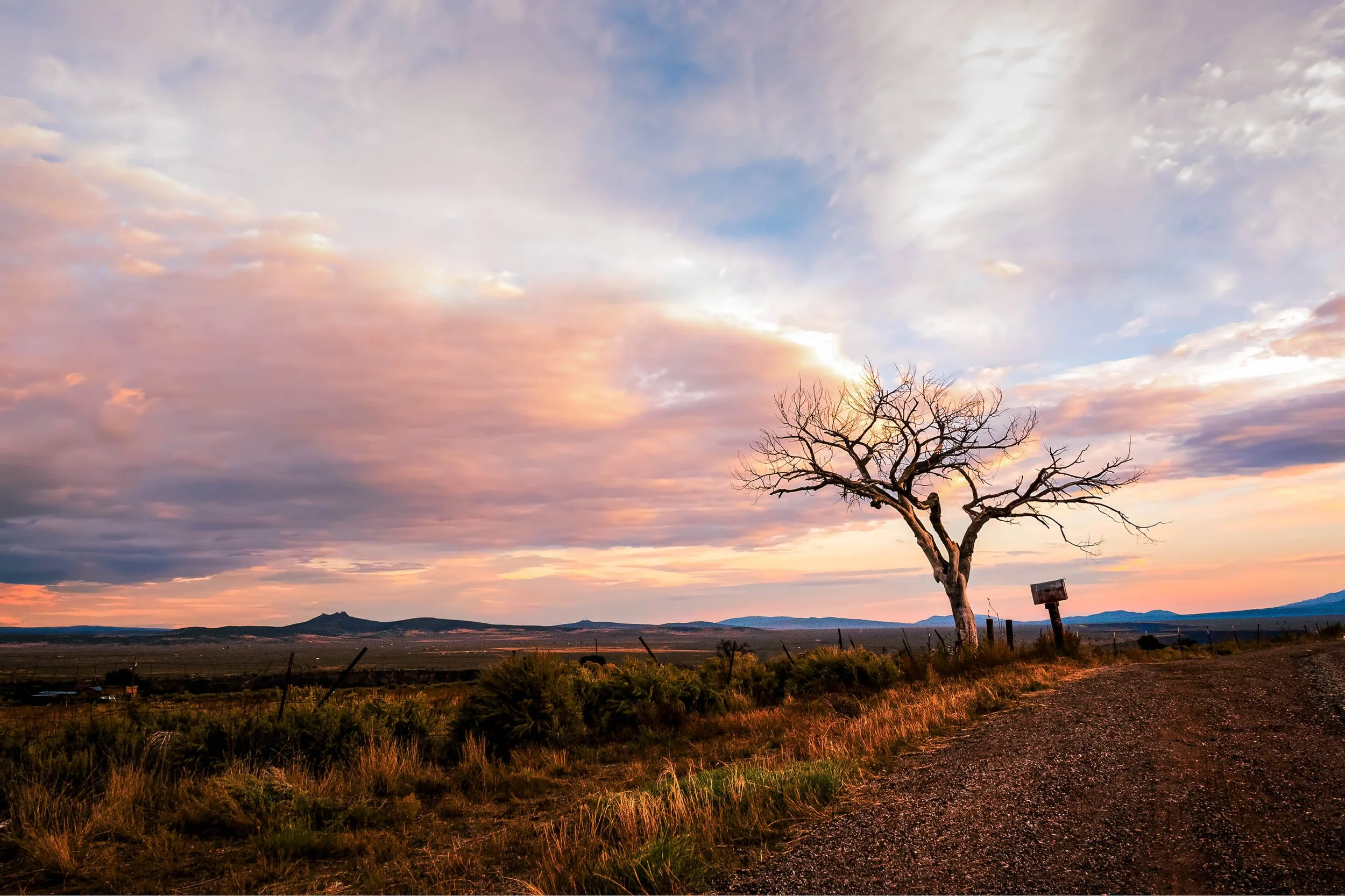
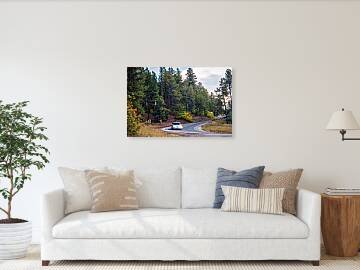
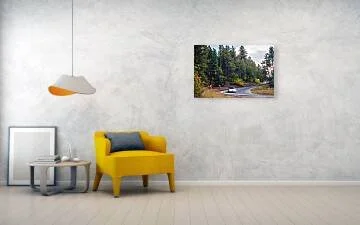
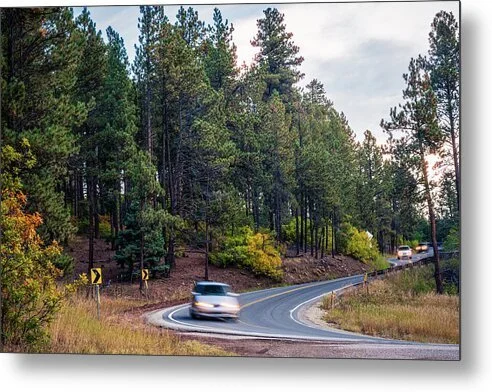
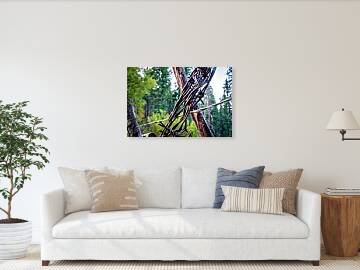
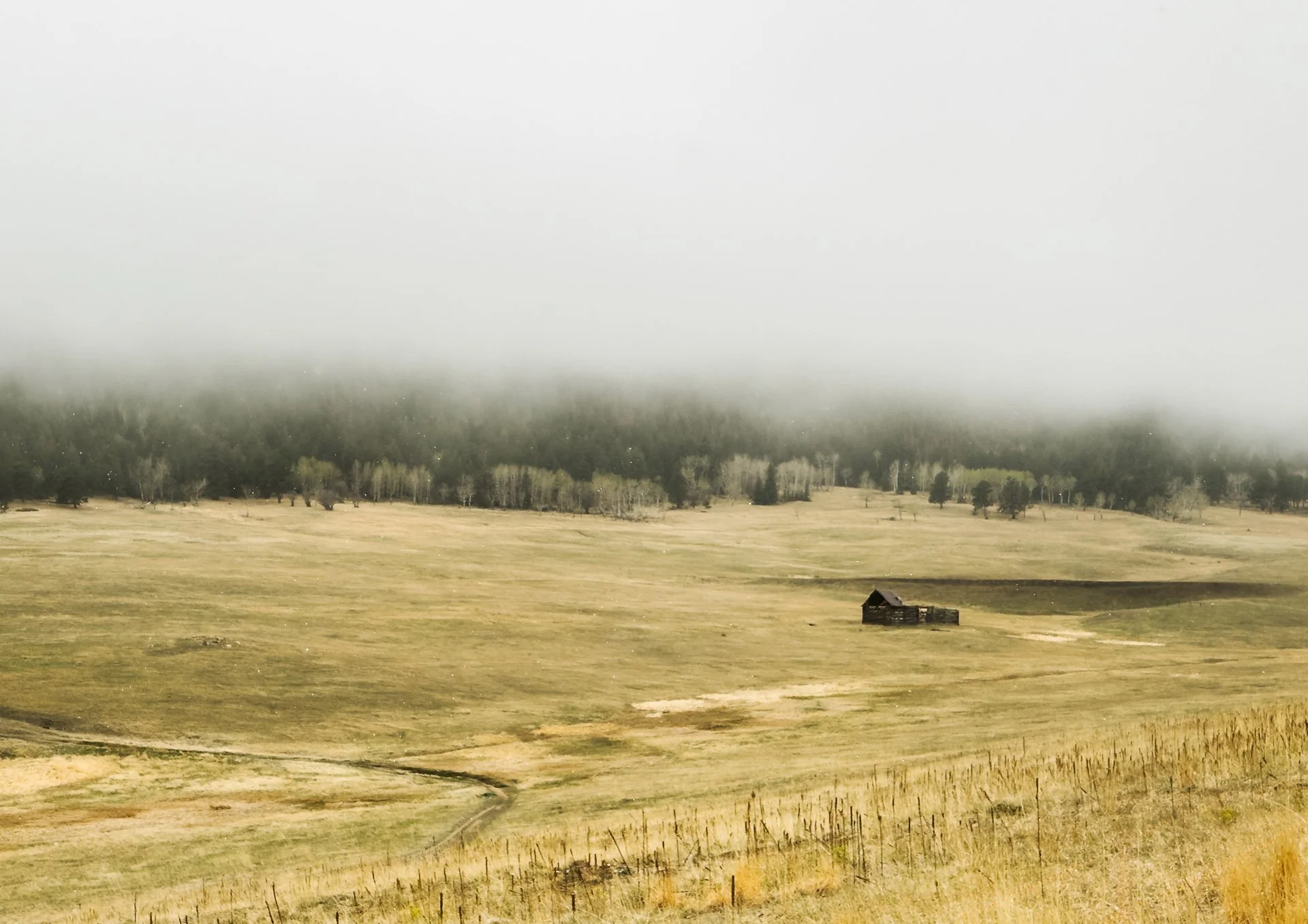
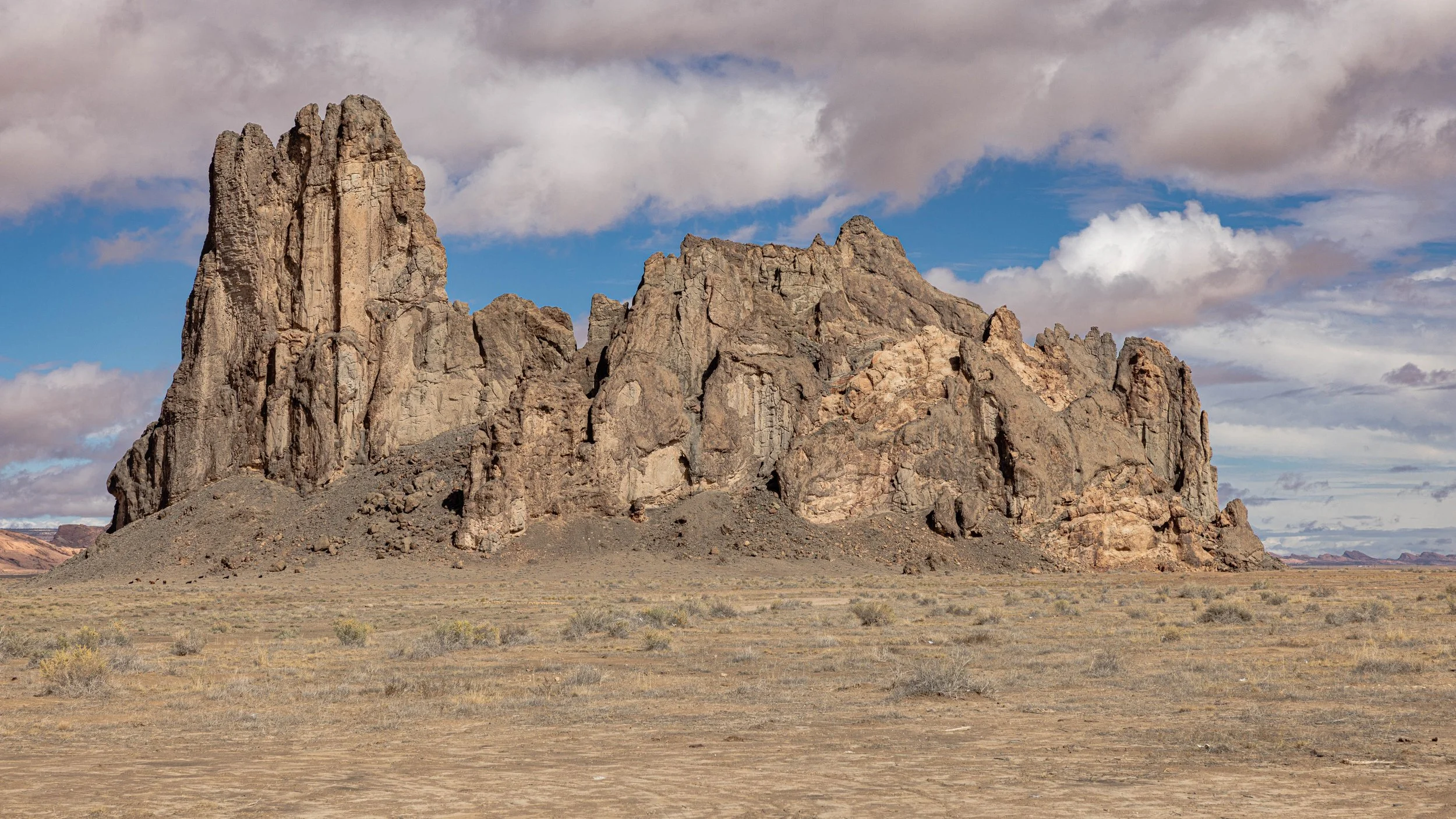
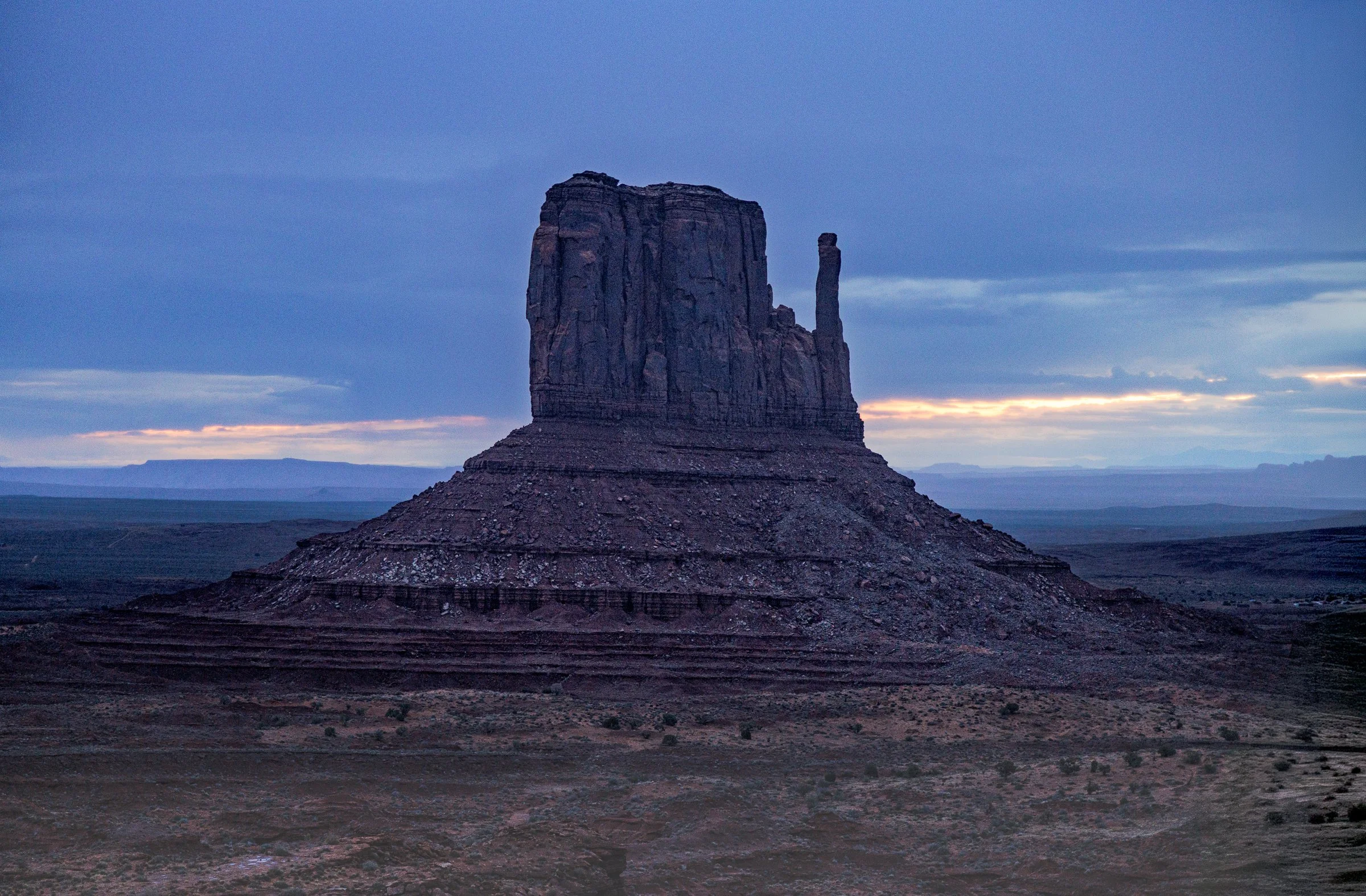
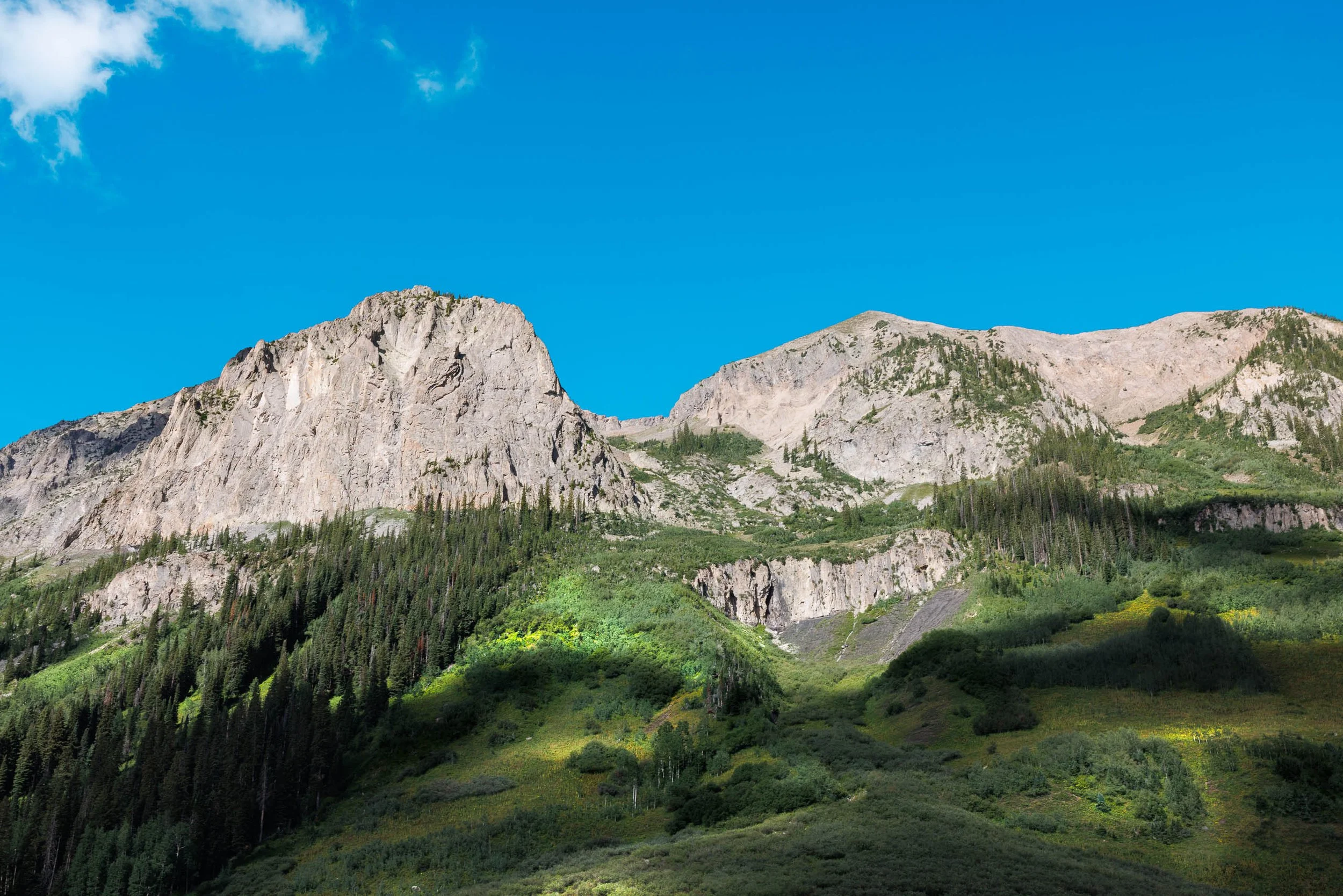
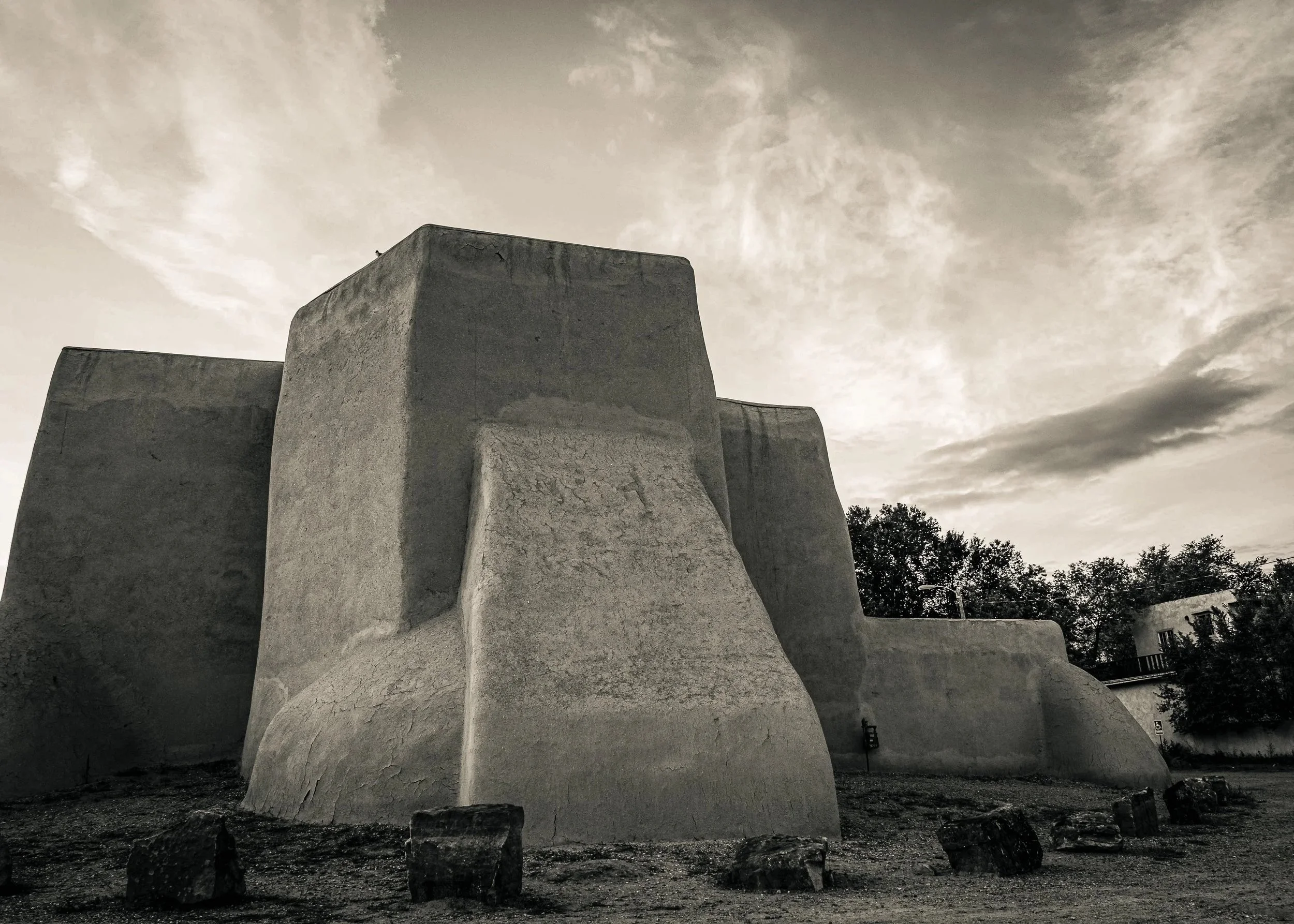
Created throughout New Mexico, Utah, Arizona, Colorado, Wyoming, and the greater Southwest, these images focus on atmosphere, light, and the enduring character of the western landscape. Monumental rock formations, remote roads, weathered structures, desert skies, and changing weather become opportunities to explore both the physical beauty and emotional resonance of the region. Rather than emphasizing spectacle alone, the photographs seek moments of stillness that reveal a deeper connection to place.
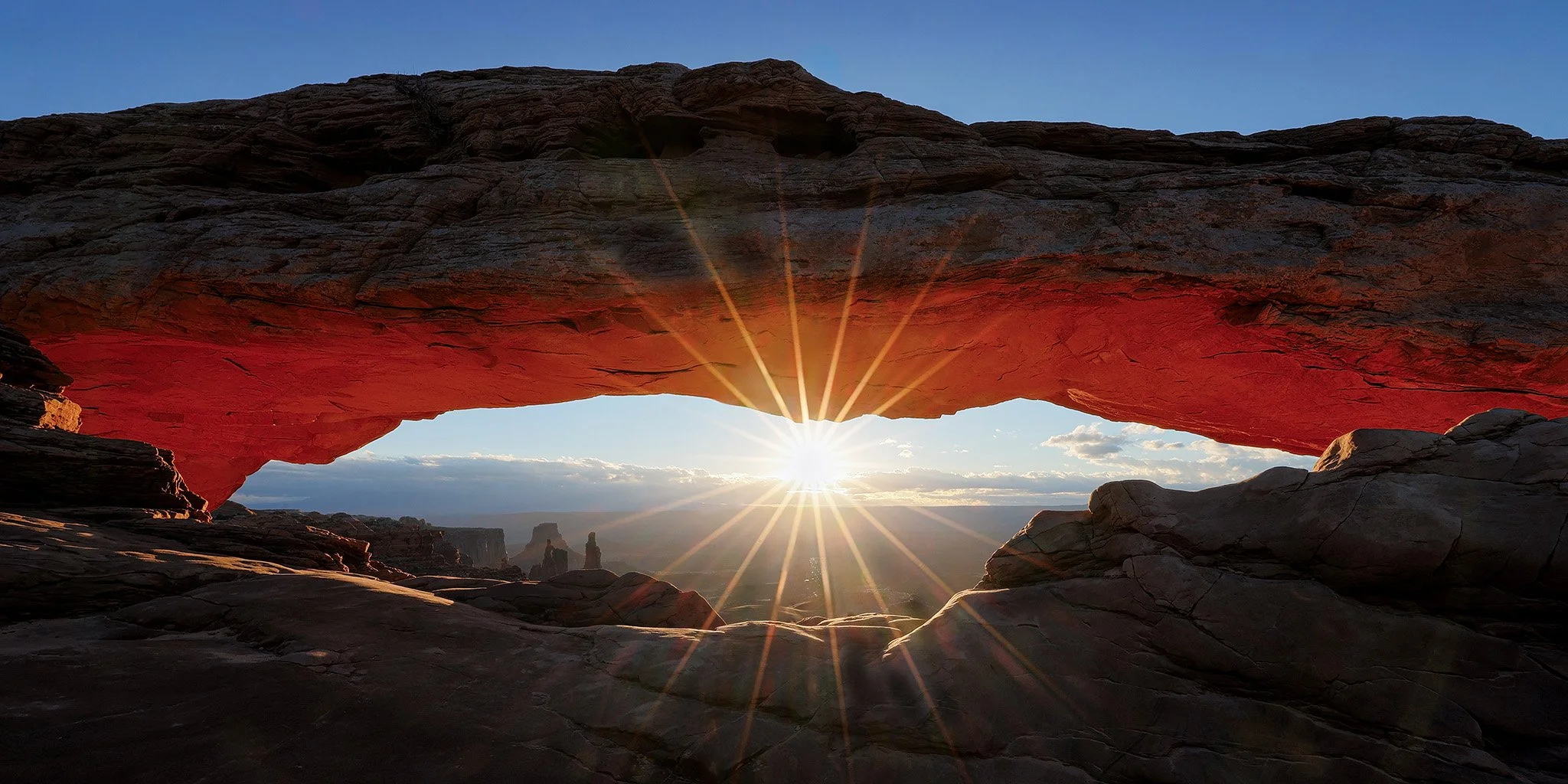
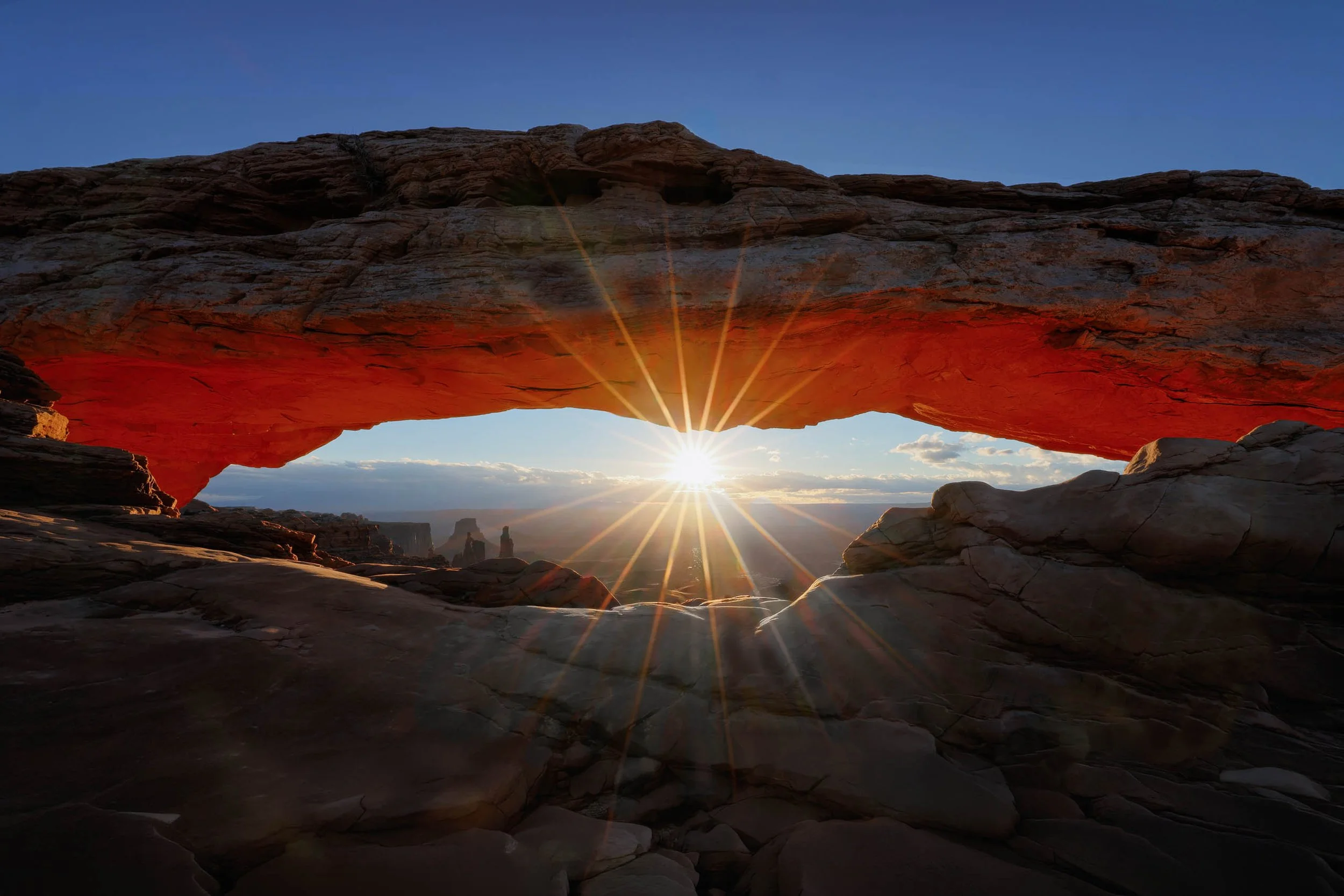
Weather and light are central throughout the collection. Sunrise on sandstone cliffs, storms gathering across open desert, snow settling on distant mountains, and the final glow of evening all transform familiar landscapes into something timeless. These photographs often exist in the space between observation and reflection, where geography becomes memory and landscape becomes experience.
Influenced by the color sensibilities of Ernst Haas, the quiet realism of Andrew Wyeth, and the grand western traditions of photographers such as Ansel Adams, these images explore themes of solitude, resilience, endurance, and wonder. They are photographs about the American West, but they are equally about the feeling of standing within a landscape large enough to remind us of our place in the world.
Designed for collectors, healthcare environments, hospitality spaces, offices, and residential interiors, these photographs bring a sense of openness, tranquility, and visual depth while celebrating the enduring spirit of the American West.
“The West is not a place. It is a state of mind.”







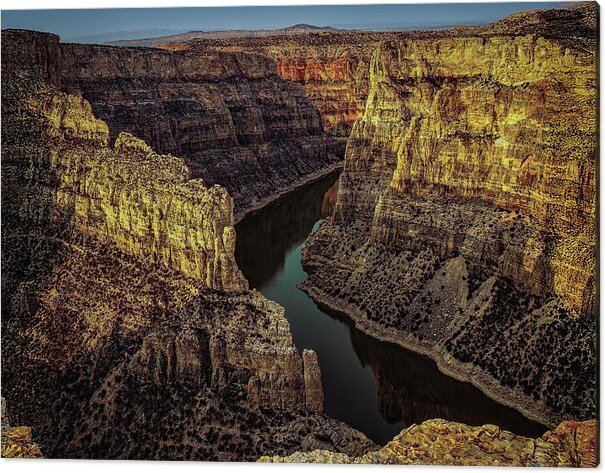
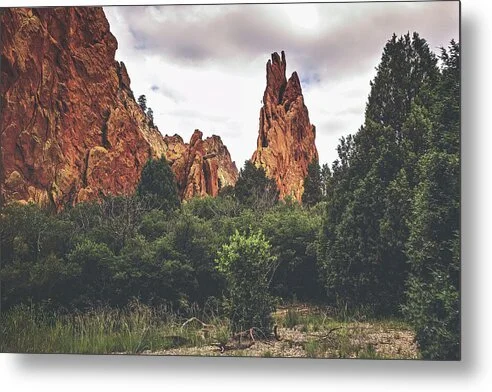













Have Questions?
To accommodate grand residential or corporate spaces, larger scale photographic prints and custom dimensions are available upon request.
For collectors seeking ready-to-hang presentations, we welcome the opportunity to collaborate on custom framing, museum-quality matting, and specialized glass selections tailored to your unique aesthetic.
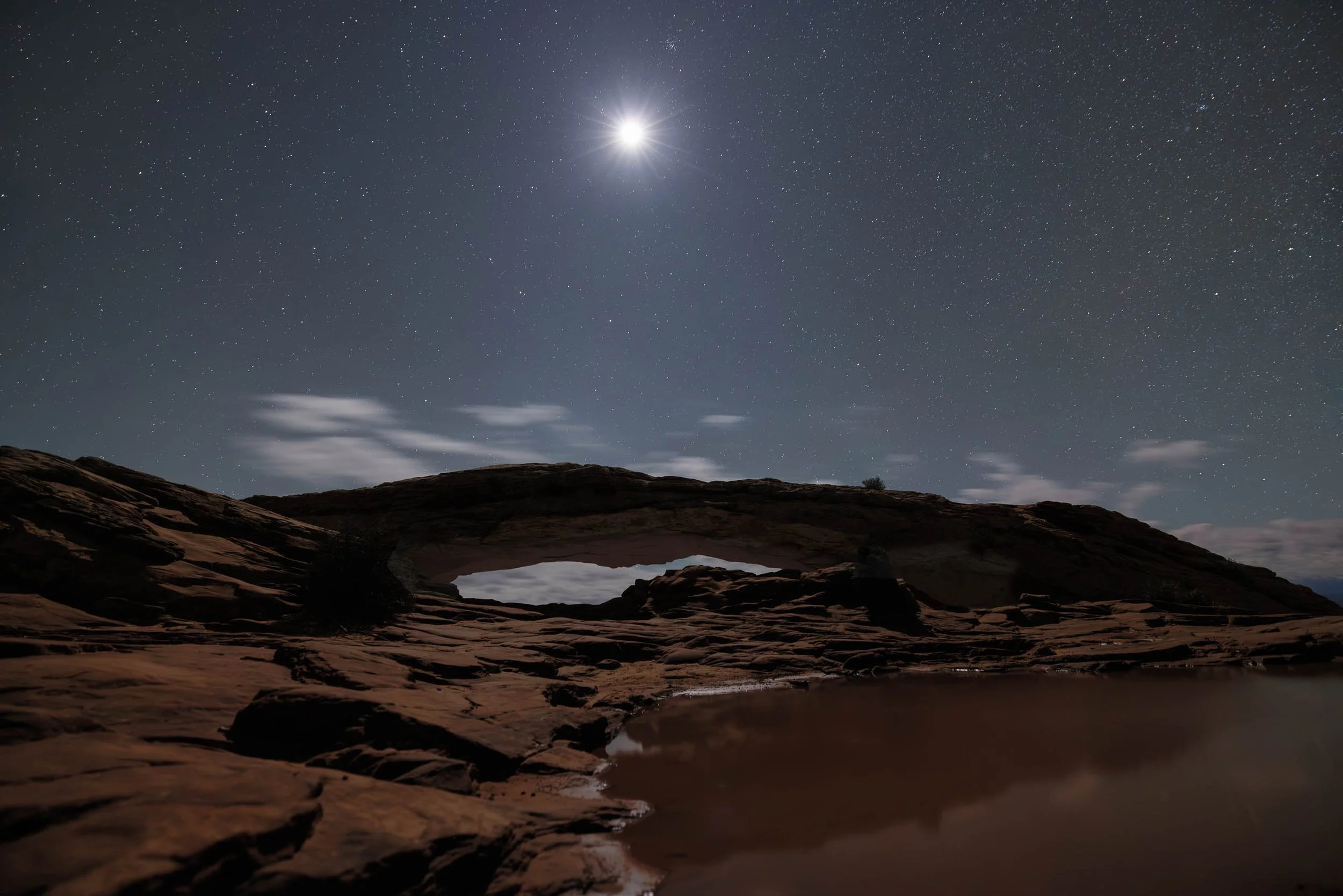
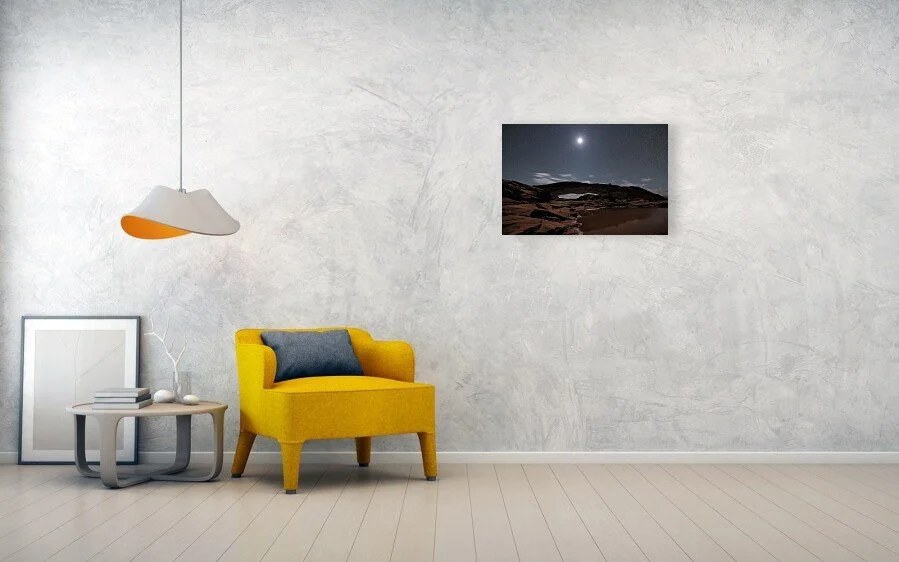
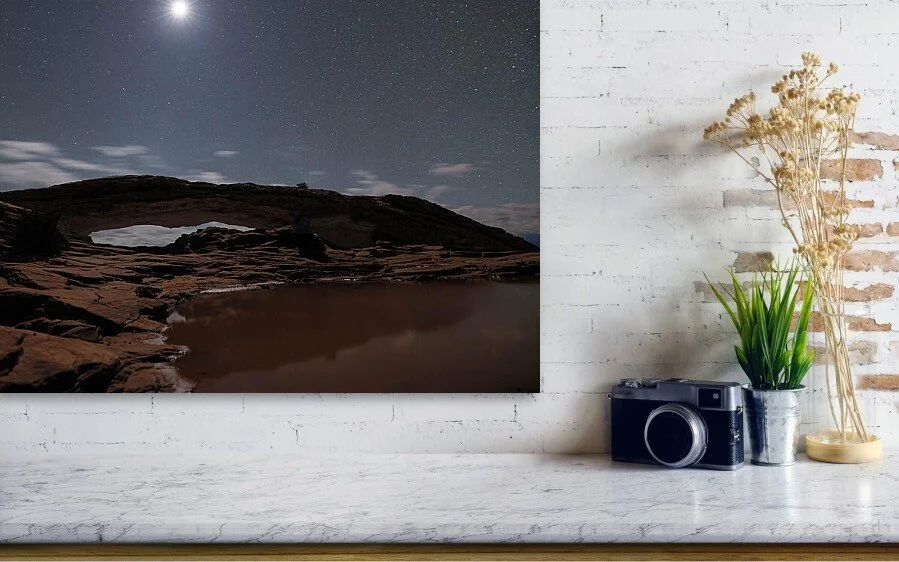
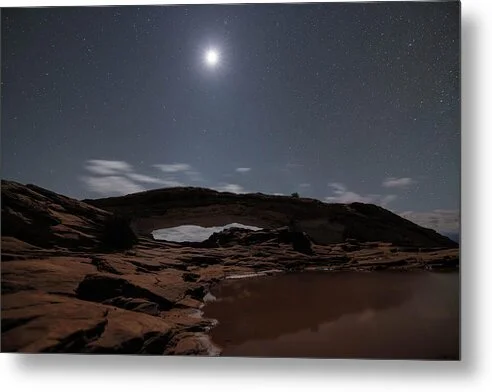
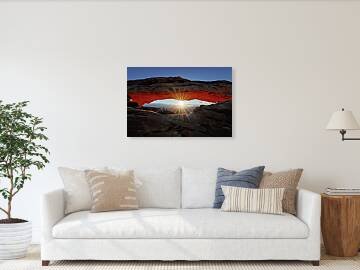
Rain seldom reaches Mesa Arch, and on a night when it has, the water keeps a second arch. What the Water Kept looks across the slickrock at Mesa Arch in Canyonlands National Park, Utah, under a bright moon that throws a starburst into a sky thick with stars, while a rain puddle in the lower right holds the shape of the arch beside a scrap of pale cloud.
The eye goes first to the moon, then drops along the long span of the arch to the opening, where a bank of cloud glows against the dark stone. From there it steps down the layered slickrock to the puddle, the quiet counterweight in the lower right. The reflection there is faint, a dark mirrored span above a paler reflected sky, and it rewards a second look. The rock at left carries the weight of the frame, so the moon and the water read as the two quiet events in it.
Monumental sandstone held in restrained tones follows Ansel Adams, the stillness of the mirrored water echoes Hiroshi Sugimoto, and the warm brown stone set against a cool blue-gray sky owes a color debt to Ernst Haas.
Design & Styling
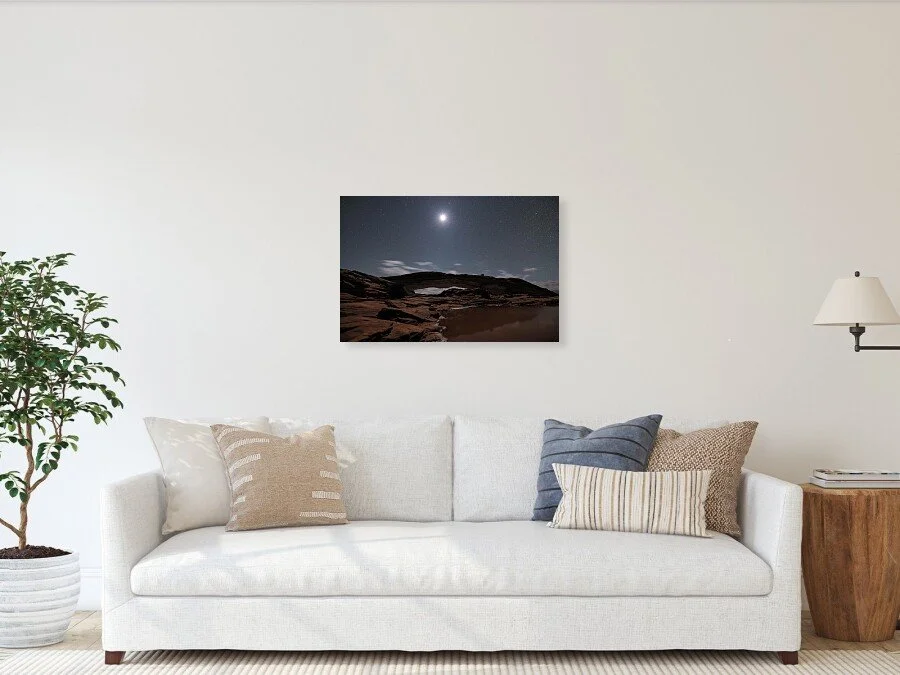
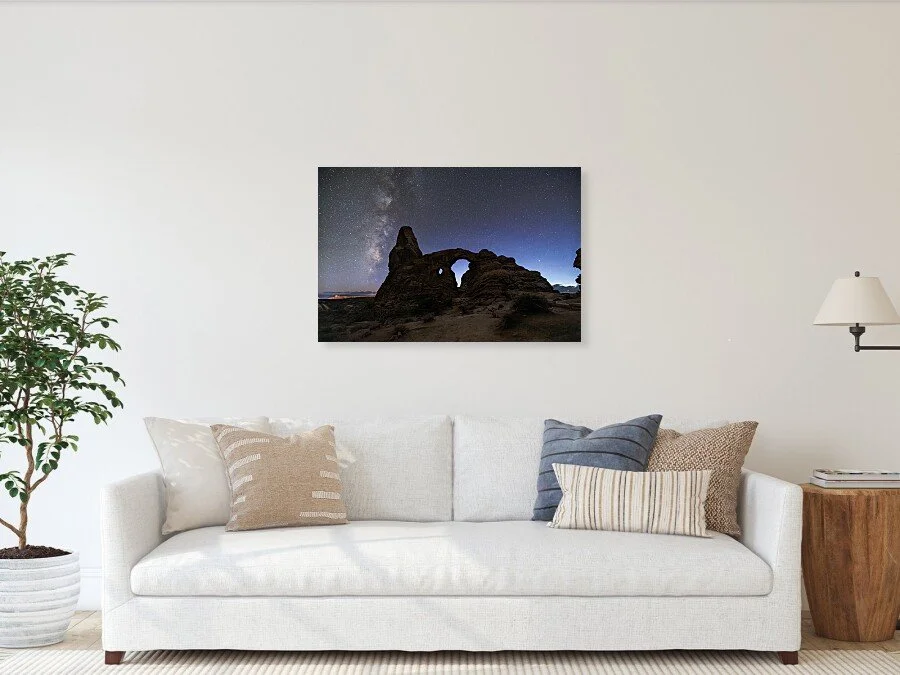
What the Water Kept suits hotel lounges and bars, restaurant dining rooms, lodge great rooms, executive offices, studies and bedrooms that want depth and calm. The brown stone and blue-gray sky sit well with walnut, leather, charcoal, deep navy and brass, and soft, warm lighting brings out the stars and the glow of the cloud. The 3:2 format works above a fireplace, a headboard, a console or a banquette.
Curated Pairings
For shared place: Pair with Beneath the Midnight Bow, the same arch on the same night, where a small pool carries the reflected moon. Here the puddle carries the arch instead, so the two images read as one night seen twice.
For the same rare rain: Pair with Stillness After Rain, a sandstone monolith mirrored in a large puddle after a desert rainstorm. Both show Utah rock doubled in borrowed water, one under a blue morning sky and one under a moonlit night.
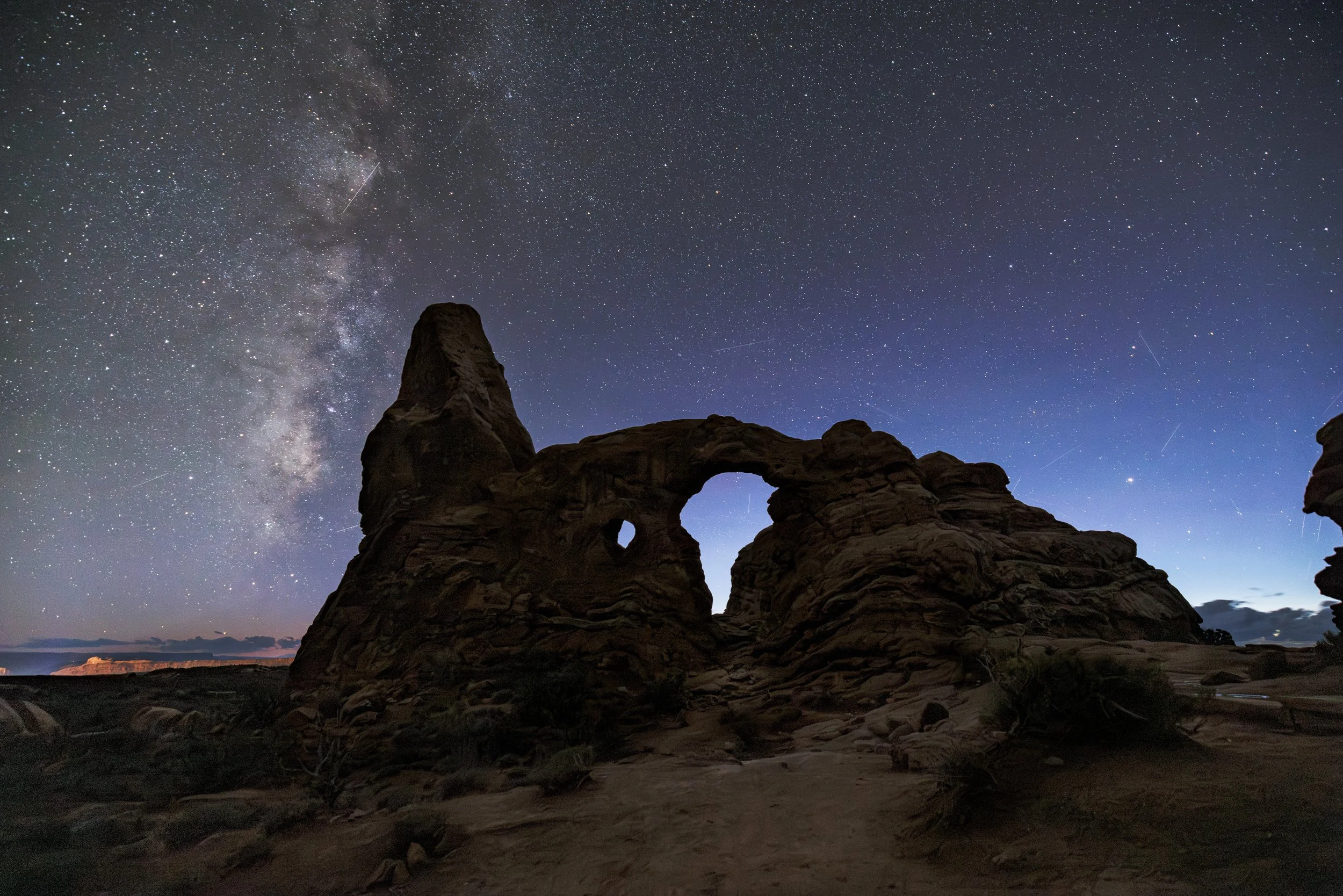
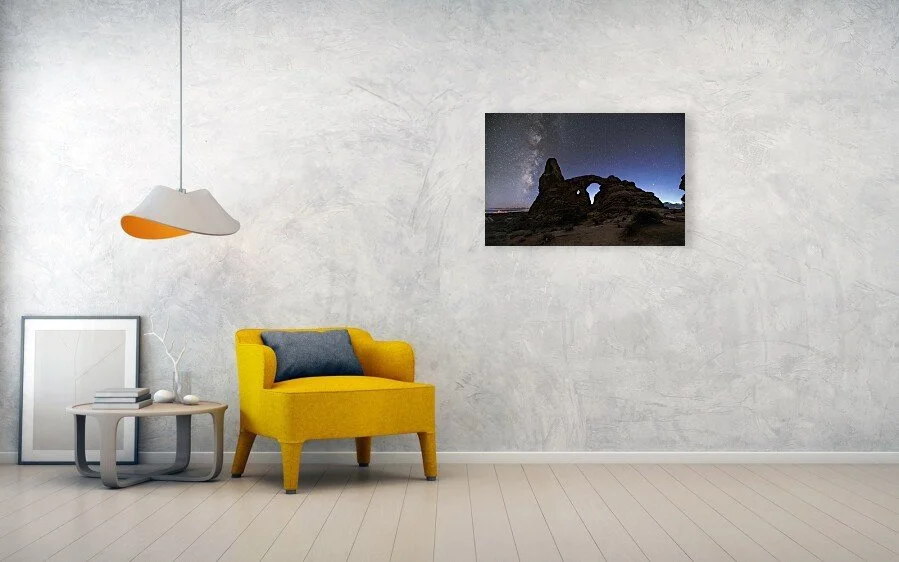
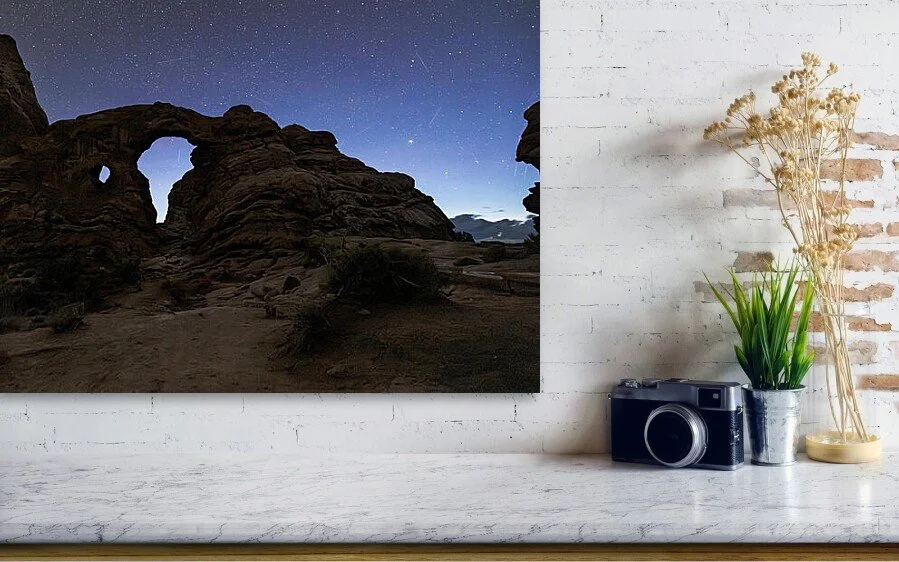
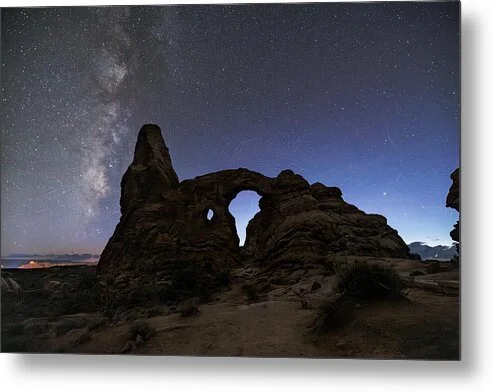
For the same night sky: Pair with Where the Sky Breaks, Turret Arch under the Milky Way and a meteor. Another sandstone arch anchors a field of stars, with the sky as the event where this one has the moon.
Fine Art Presentation
Available as a signed, numbered limited edition print (edition of 15) in framed or unframed archival paper, ChromaLuxe® Metal (Semi-Gloss and Matte), TruLife Acrylic, canvas, and wood. ChromaLuxe® Metal in Semi-Gloss or Matte is the first recommendation: the stars and the points of the moon's starburst stay crisp, and the large dark areas of rock and sky do not mirror the room the way a gloss finish would. TruLife (Low-Glare) Acrylic is the alternative where you want more depth in the night sky. Framed archival paper gives a quieter, more tonal reading.