Shadows & Silence
A Closer Look
Explore the finer details of each photograph by hovering over an image to reveal subtle focus and texture, or click to expand the work into a distraction-free viewing environment. This immersive view allows each botanical study to be experienced at its full scale and proportion.
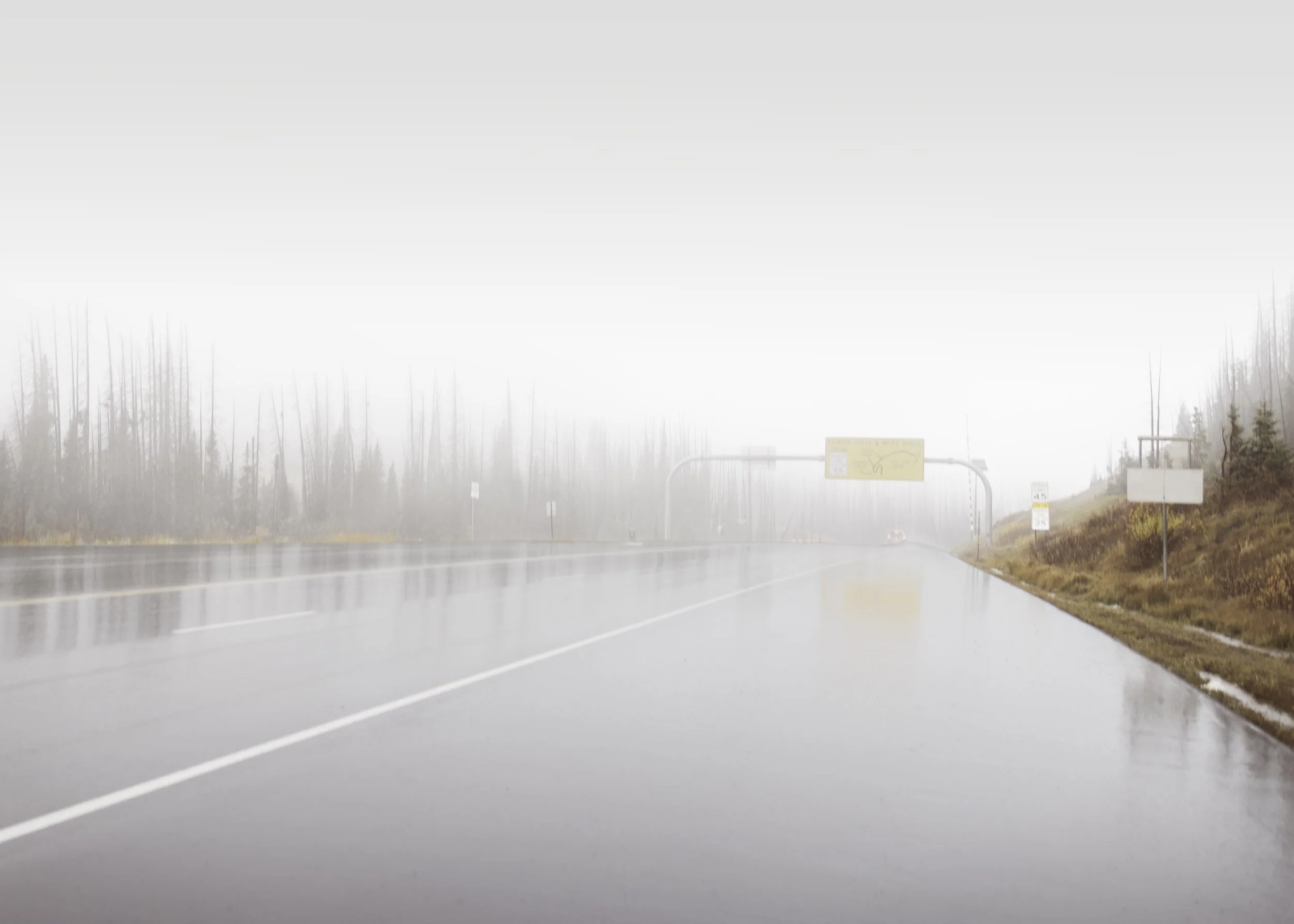
Some photographs are less about what is seen and more about what is felt. The images in this collection explore quiet places, subdued light, and moments of stillness where atmosphere becomes the subject. They are photographs shaped by shadow, weather, solitude, and the subtle emotional character of a scene.
Created in landscapes, historic sites, churches, cemeteries, rural roads, and urban environments across North America and Europe, these images focus on the spaces between activity and absence. Empty rooms, weathered structures, fading light, quiet roads, and solitary forms become opportunities to explore memory, contemplation, and the passage of time. Rather than seeking dramatic events, the photographs embrace restraint, inviting viewers to slow down and engage with the quieter details that often go unnoticed.
Light plays a central role throughout the collection. Early morning fog, overcast skies, twilight, snowfall, and deep shadows shape the emotional tone of each image. The resulting photographs often occupy the space between documentary observation and personal interpretation, where atmosphere carries as much meaning as the subject itself.
Influenced by the quiet realism of Andrew Wyeth, the contemplative landscapes of Michael Kenna, and the cinematic solitude found in the work of Wim Wenders, these photographs explore themes of memory, absence, resilience, and reflection. They are images about places, but they are equally about the emotions those places evoke.
Designed for collectors, healthcare environments, hospitality spaces, offices, and residential interiors, these photographs bring a sense of calm, introspection, and visual stillness while encouraging viewers to pause and linger within the scene.
“The quieter you become, the more you are able to hear.”
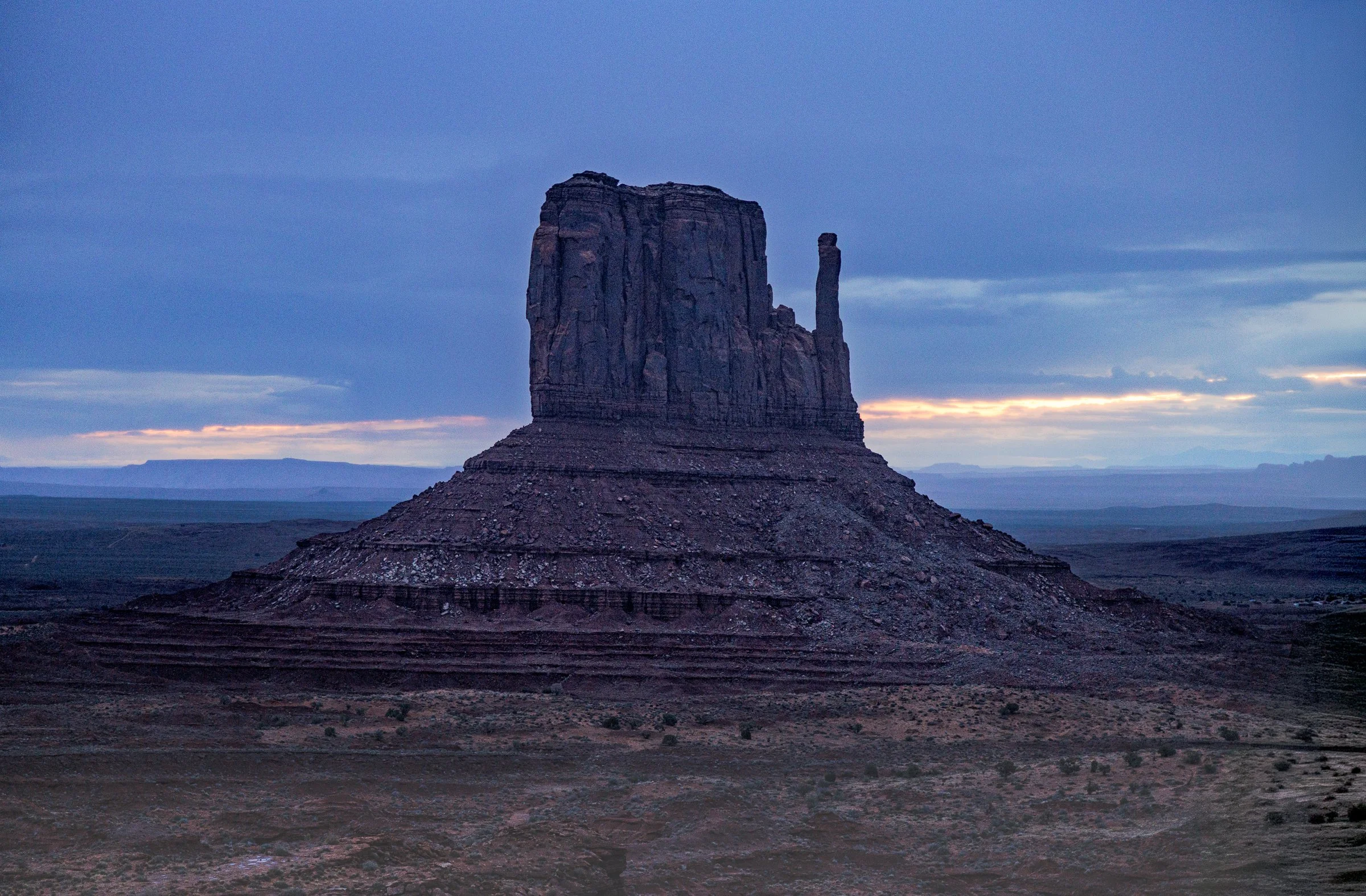
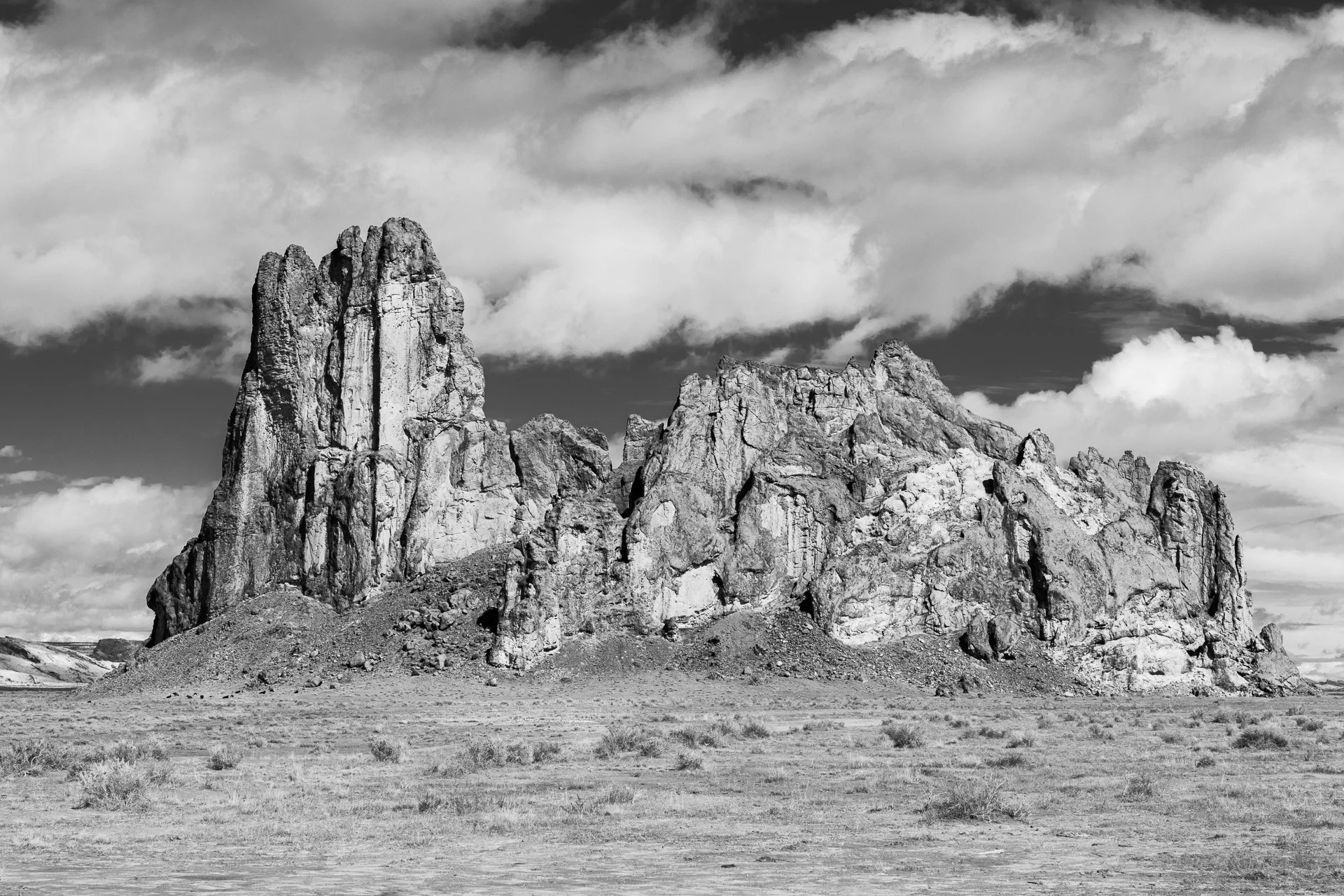
Shadows of the Monolith is a powerful, deeply atmospheric exploration of geological grandeur, sharp contrast, and ancient desert stillness. Capturing the towering volcanic plume of Shiprock, New Mexico—rising dramatically near the Kayenta borderlands—this monochrome composition forces a profound study of light and negative space. Heavily influenced by the legendary high-contrast environmental scales of Ansel Adams and the isolated, melancholic rural realism of Andrew Wyeth, the image masterfully transforms raw, sun-baked sandstone ridges and ink-like desert shadows into a timeless visual meditation on permanence and silent endurance.
Design & Styling
With its rich tonal gradients, deep blacks, and commanding structural presence, Shadows of the Monolith serves as a sophisticated visual anchor for modern Western interiors, executive suites, rustic mountain retreats, or minimalist contemporary living spaces. It brings an immediate sense of scale, geographical history, and natural gravity to an interior. For a highly cohesive monochrome or desert gallery wall, this print pairs magnificently within your Shadows & Silence or Western Silence collections alongside the graphic ridges of The Shape of Silence or the stark celestial patterns found in The Day the Sky Stood Still.
Fine Art Presentation
Available as a signed fine art print in premium presentation formats, including sleek metal, framed archival paper, canvas, and gallery-grade acrylic. To fully maximize the incredible, textured depth of the fractured rock faces and preserve the absolute, velvet-like shadow transitions along the valley floor, a Satin Metal Print or a Custom Framed Archival Photo Paper with a Matte Finish presentation is highly recommended to bring out a stunning, museum-quality depth without distracting room reflections.
Note: Custom and oversized photographic prints are available. Please contact the studio directly to discuss custom framing, matting, or specialized museum glass options.
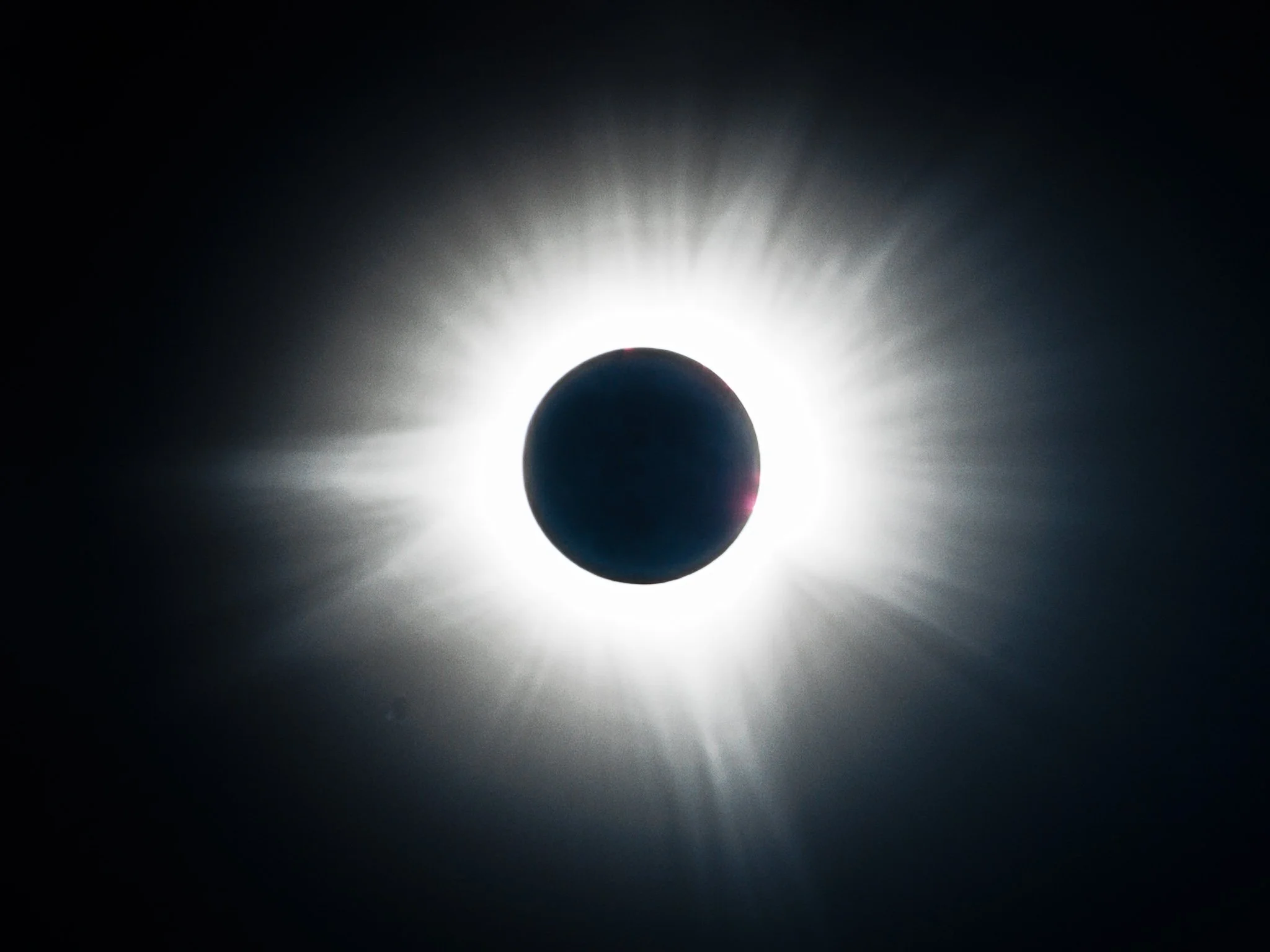
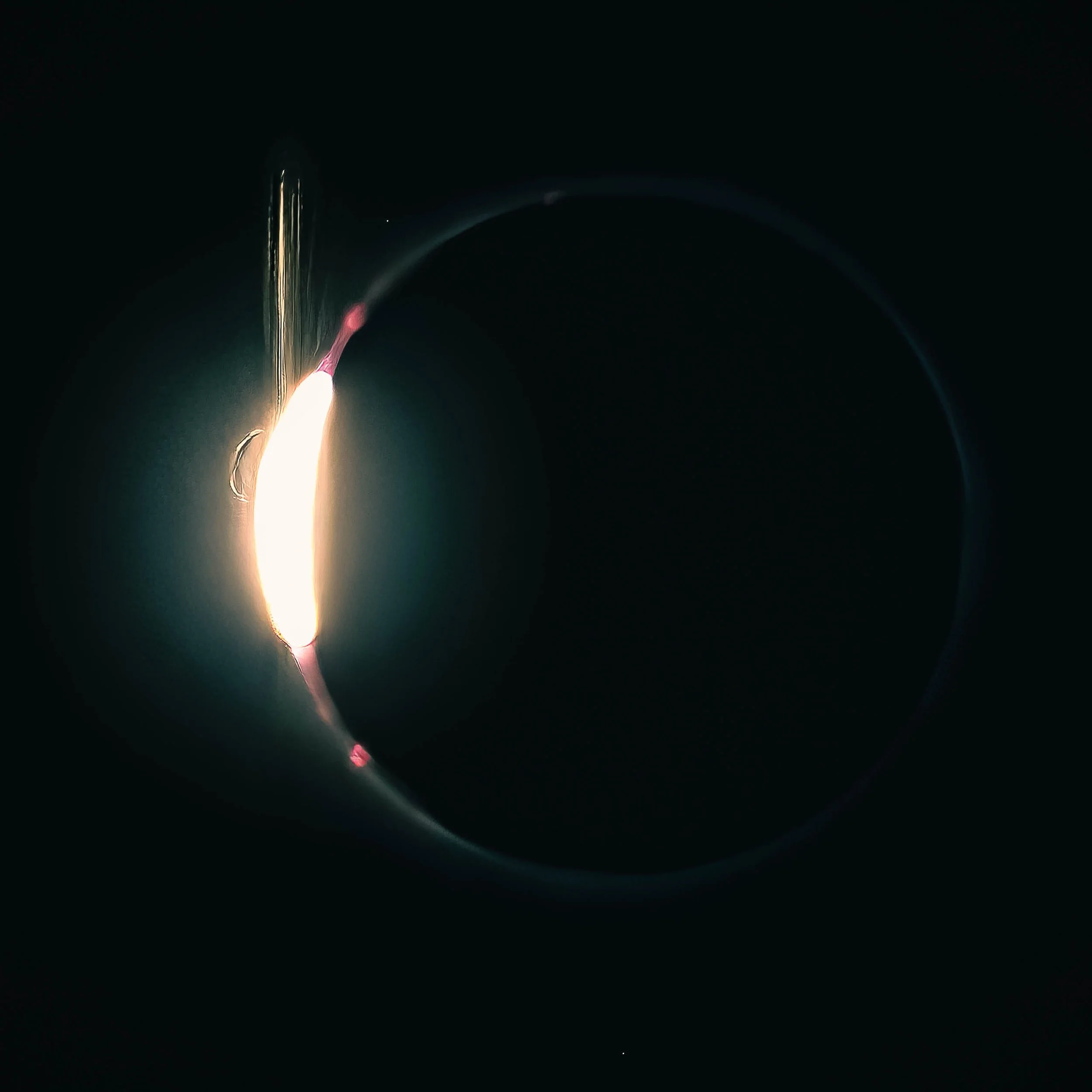
The Day the Sky Stood Still is a striking, deeply atmospheric study of celestial alignment, negative space, and transient light. Capturing the breathtaking totality of a solar eclipse, this monochrome composition frames the jet-black disk of the moon perfectly ringed by the explosive, delicate tendrils of the sun's solar corona. Drawing direct stylistic influence from the razor-sharp contrast and epic environmental scales of Ansel Adams, the image transforms a fleeting astronomical phenomenon into a timeless, minimalist visual meditation on cosmic structure, shadow, and quiet grandeur.
Design & Styling
With its deep, ink-like black background and brilliant, luminous crown, The Day the Sky Stood Still serves as a powerful, modern visual anchor for contemporary living rooms, minimalist offices, private studies, or design-forward executive suites. It introduces an immediate sense of scale, mystery, and architectural precision to an interior. For a highly cohesive monochrome gallery presentation, this print pairs magnificently within your Shadows & Silence collection alongside the graphic ridges of The Shape of Silence or the intimate organic textures found in Center of Grace.
Fine Art Presentation
Available as a signed fine art print in premium presentation formats, including sleek metal, framed archival paper, canvas, and gallery-grade acrylic. To fully elevate the backlit brilliance of the solar corona against the absolute, velvet blackness of the sky, a Glossy Metal Print or a Face-Mounted Gallery Acrylic presentation is highly recommended to provide the artwork with a stunning, high-fidelity dimensional clarity.
Note: Custom and oversized photographic prints are available. Please contact the studio directly to discuss custom framing, matting, or specialized museum glass options.
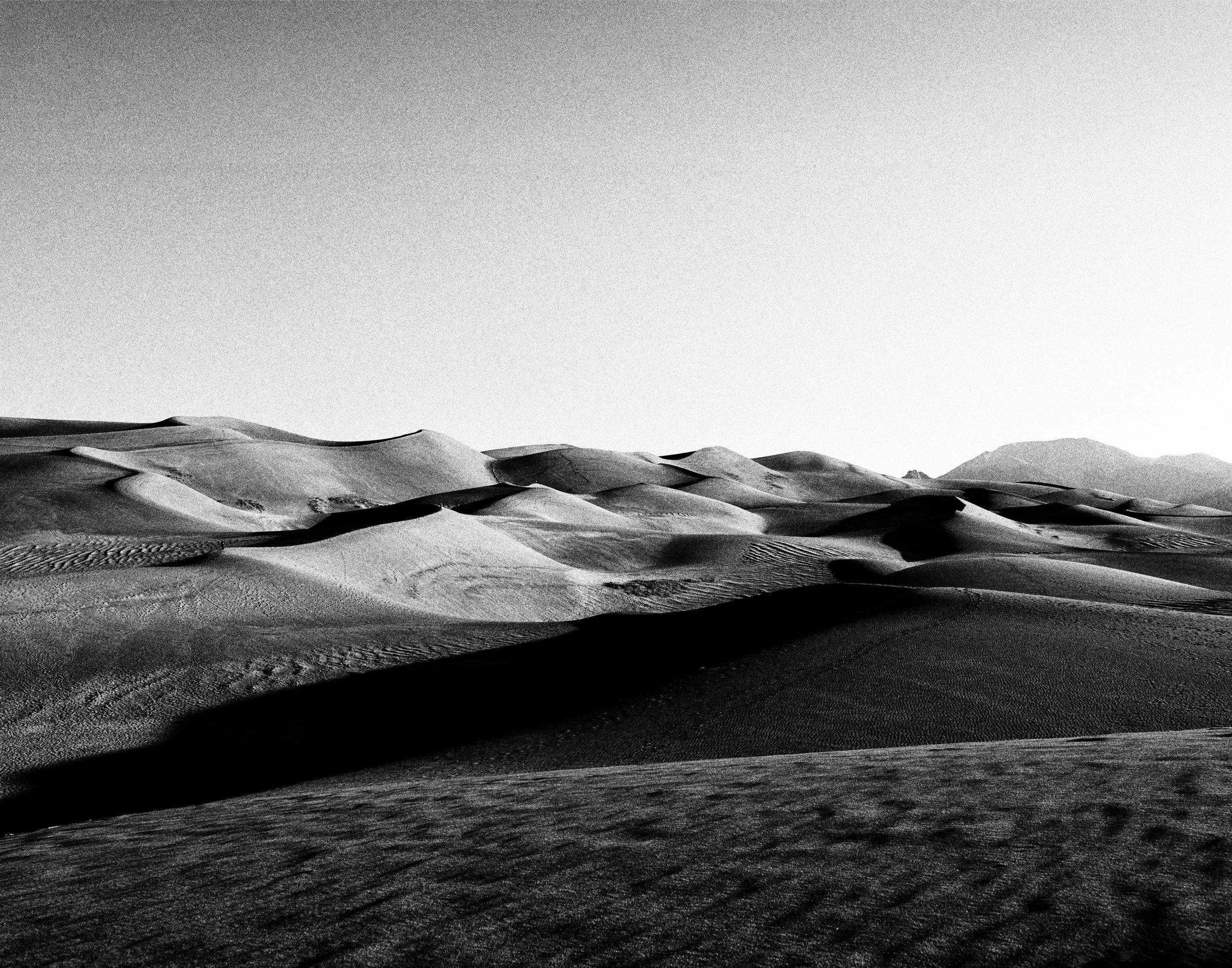
The Shape of Silence is a stark, deeply contemplative exploration of organic geometry, light, and desert minimalism. Capturing the razor-sharp ridges, sweeping wind-sculpted contours, and ink-like shadows of Great Sand Dunes National Park, this monochrome composition focuses on a profound sense of isolation and environmental scale. Heavily influenced by the legendary high-contrast structural landscapes of Ansel Adams and the quiet, emotionally charged realism of Andrew Wyeth, the image masterfully transforms shifting desert sands into a timeless, abstract visual meditation on form, permanence, and silence.
Design & Styling
With its rich tonal gradients, clean lines, and powerful minimalist presence, The Shape of Silence serves as a sophisticated visual anchor for contemporary living spaces, professional executive suites, home libraries, or minimalist bedrooms. It introduces an immediate sense of vast open air, texture, and quiet gravity to an interior. For a highly cohesive, storytelling layout across a larger gallery wall, this print pairs exceptionally well within your Shadows & Silence collection alongside the poignant vigilance of The Long Watch or the intimate micro-geometries found in Center of Grace.
Fine Art Presentation
Available as a signed fine art print in premium presentation formats, including sleek metal, framed archival paper, canvas, and gallery-grade acrylic. To fully elevate the razor-sharp sand grains and preserve the delicate, velvet-like shadow transitions along the dune ridges, a Satin Metal Print or a Custom Framed Archival Photo Paper with a Matte Finish presentation is highly recommended to bring out a stunning, museum-quality depth without distracting room reflections.
Note: Custom and oversized photographic prints are available. Please contact the studio directly to discuss custom framing, matting, or specialized museum glass op tions.
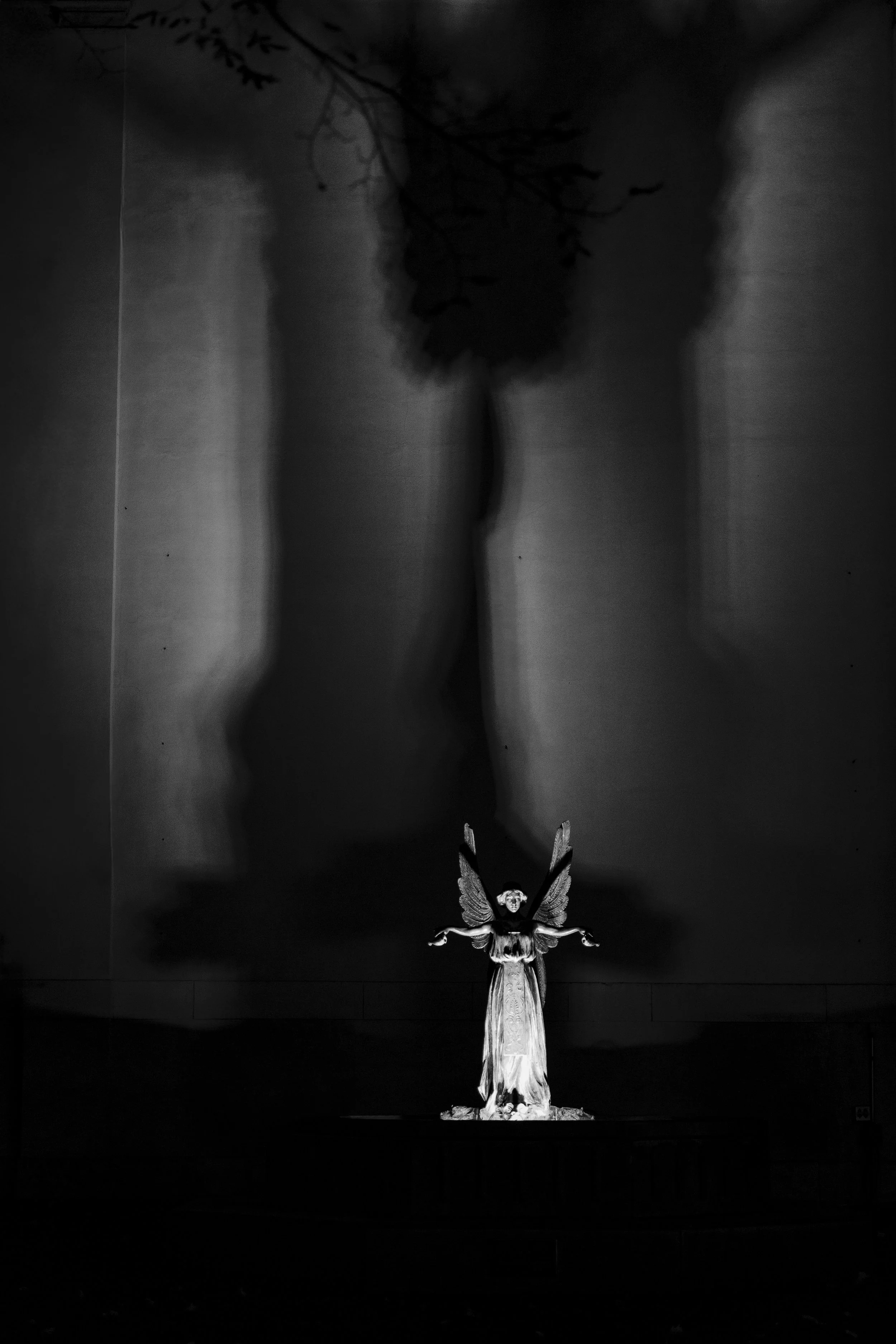
The Long Watch is a stark, deeply contemplative exploration of time, vigil, and spatial isolation. Capturing a solitary architectural element or horizon point caught in the slow shift of transitional light, this composition focuses on a profound sense of quiet endurance. Heavily influenced by the atmospheric, melancholic rural realism of Andrew Wyeth and the stark, light-filled psychological spaces of Edward Hopper, the image masterfully transforms a quiet vantage point into a timeless visual meditation on patience, solitude, and the beauty of quiet waiting.
Design & Styling
With its rich tonal gradients, clean lines, and powerful minimalist presence, The Long Watch serves as a grounding visual anchor for quiet reading alcoves, traditional home libraries, private offices, or contemporary living spaces. It introduces an immediate sense of stillness, emotional depth, and architectural scale to an interior. For a highly cohesive, storytelling layout across a larger wall, this print pairs exceptionally well alongside the structural rhythms of Among the Naves or the sweeping, high-altitude emptiness of Where the Homestead Waits.
Fine Art Presentation
Available as a signed fine art print in premium presentation formats, including sleek metal, framed archival paper, canvas, and gallery-grade acrylic. To fully elevate the subtle textures and preserve the delicate, ink-like shadow transitions, a Satin Metal Print or a Custom Framed Archival Photo Paper with a Matte Finish presentation is highly recommended to bring out a stunning, museum-quality depth without distracting room reflections.
Note: Custom and oversized photographic prints are available. Please contact the studio directly to discuss custom framing, matting, or specialized museum glass options.
Eclipse Sequence: Four Moments of Totality
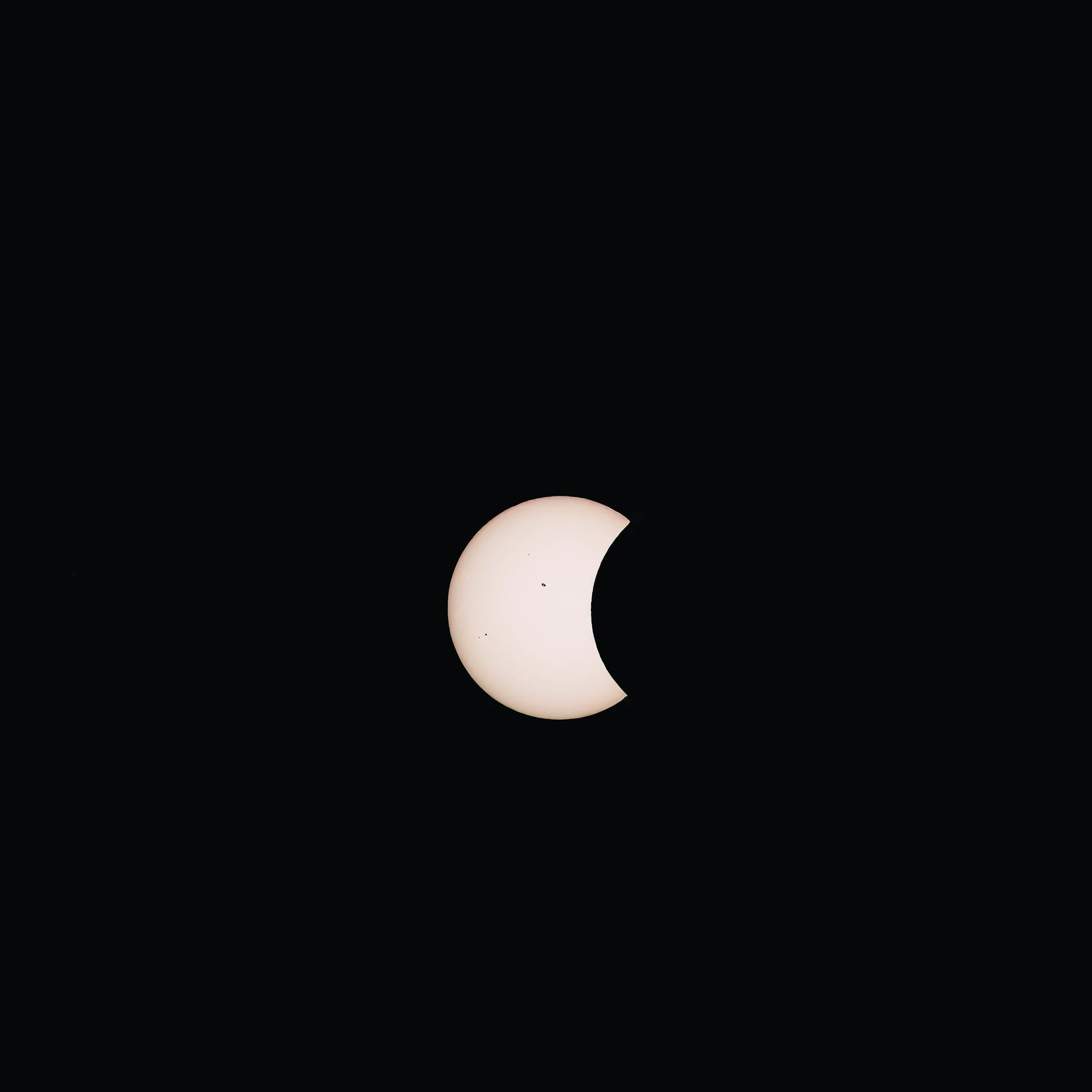
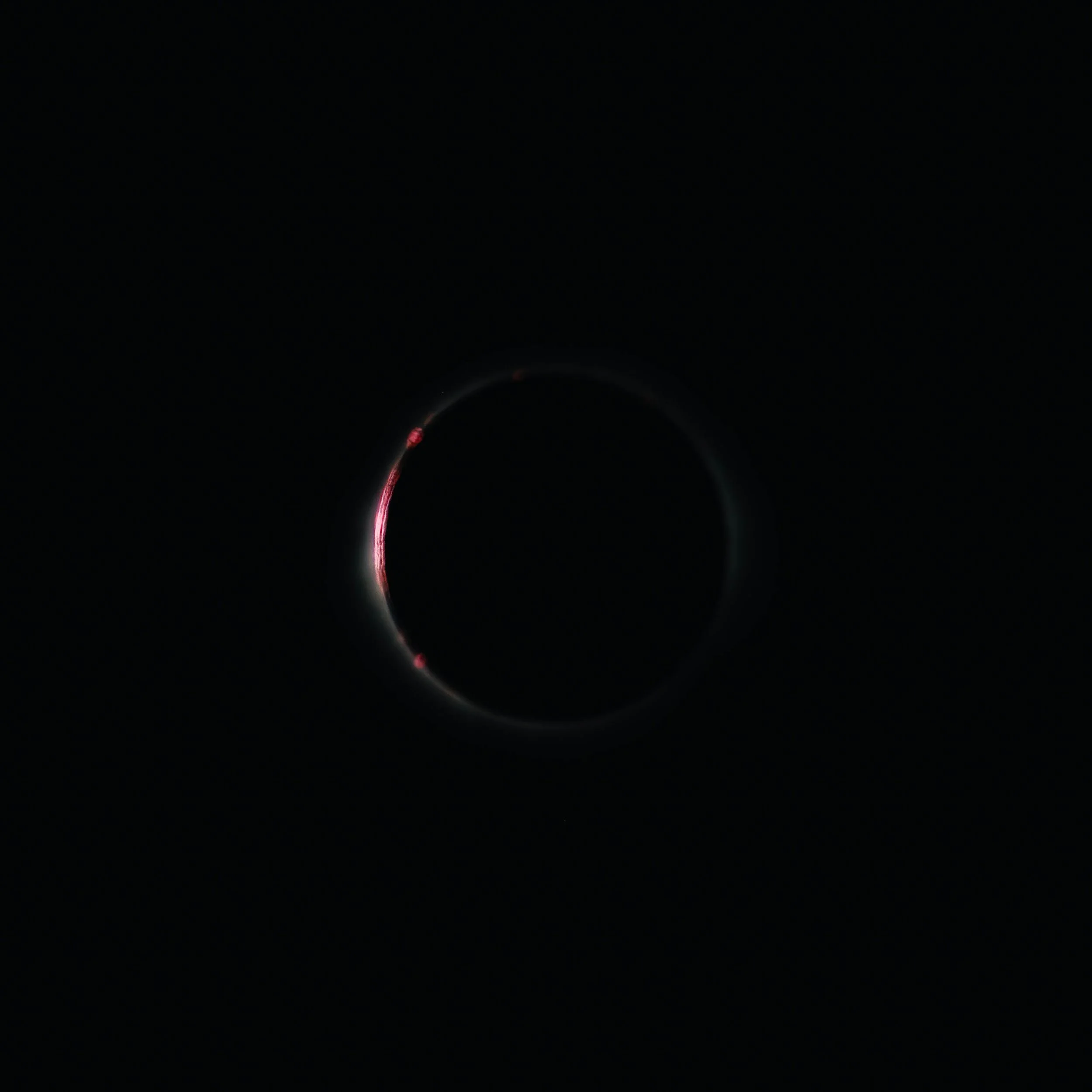
Eclipse Sequence: Four Moments of Totality is a visual meditation on anticipation, transformation, and wonder. Created during the total solar eclipse of April 8, 2024, the series follows the progression of the event through four distinct phases: the partial crescent, Bailey's Beads and chromosphere, the Diamond Ring effect, and totality itself. Presented together as a unified body of work, the photographs transform a fleeting astronomical phenomenon into a narrative about light, time, and our place beneath the sky.
The sequence begins with a simple crescent sun suspended within a field of deep black. Elegant and minimal, the first image introduces the celestial mechanics that will unfold over the next several minutes. The second image reveals Bailey's Beads and the solar chromosphere, where brilliant crimson prominences emerge along the edge of the moon while the final rays of sunlight shine through valleys on the lunar surface. The event reaches its dramatic climax with the Diamond Ring effect, one of the rarest and most celebrated moments of totality. The final image reveals the solar corona, the sun's outer atmosphere extending into space in delicate structures normally hidden by the brilliance of daylight.
While each image stands on its own, the true subject of the series is the progression itself. Together the photographs mirror the emotional experience of witnessing an eclipse: anticipation gives way to astonishment, drama yields to stillness, and an event lasting only minutes becomes a memory that remains for years. Rather than presenting a single iconic eclipse photograph, the collection preserves the unfolding experience of totality and the remarkable transition from ordinary daylight to one of nature's most extraordinary spectacles.
The square format and minimalist presentation emphasize the geometry of the eclipse while allowing each phase to function as part of a larger visual story. Viewed together, the images become a contemporary study of light, transformation, and discovery that appeals equally to lovers of astronomy, science, and fine art photography.
Design & Styling
With its minimalist palette, striking geometry, and universal subject matter, Eclipse Sequence works exceptionally well in contemporary residential interiors, corporate offices, healthcare environments, educational institutions, science and technology organizations, observatories, and modern hospitality spaces.
The deep blacks and luminous solar forms create a sophisticated visual statement while remaining accessible to a broad audience. The series functions equally well as a focal point in a modern setting or as part of a larger collection exploring nature, science, and the passage of time.
Curated Pairings
Eclipse Sequence pairs particularly well with:
Together these works explore themes of light, atmosphere, wonder, and humanity's relationship to the natural world.
Fine Art Presentation
Available as a coordinated four-piece sequence or as individual images.
Recommended presentation:
Four 12×12 Glossy Metal Prints
Displayed vertically as a timeline or in a 2×2 grid
Float-mounted for a contemporary presentation
The glossy metal finish enhances the deep blacks, luminous corona, and brilliant solar details while creating a modern presentation appropriate for both residential and commercial environments.
Each individual component can be purchased, contact the studio for pricing.
Note: Custom and oversized prints are available. Please contact the studio directly to discuss custom framing, sizing, or specialized presentation options.
Shadows & Silence
Shadows & Silence
Filters
No results found
No results match your search. Try removing a few filters.
Still Life for Grandmother returns to the same inherited blue-and-white china as Breakfast With Grandmother, but in a completely different register — a single hard light source, a field of pure black, and a composition that owes more to Dutch still-life painting than to any breakfast table. The blueberries pile in low, dense shadow, their frosted bloom and star-shaped blossom scars picked out only where the light finds them directly. One raspberry breaks the field of blue-black with real authority, its individual drupelets and fine hairs rendered in crisp, deliberate detail.
The china itself all but disappears into pattern and reflection — a curve of silver trim catching the light along the rim, the blue design blurring into abstraction at the edges of focus. What's left is texture, weight, and a kind of quiet solemnity that the warmer, brighter version of this same china doesn't carry. The foreground surface, rough-hewn stone, grounds the whole composition in something older and more permanent than a breakfast table — closer to memory than to morning.
This is a deliberately restrained image: no landscape, no architecture, no wide gesture, just the specific, particular weight of an object that outlasts the person who owned it.
DESIGN & STYLING
Still Life for Grandmother suits spaces built around quiet contemplation rather than bright energy: formal dining rooms, entryways, reading rooms, and healthcare or hospice environments where a dark, dignified still life reads as restful rather than somber. Paired with warmer lighting, the deep blacks and jewel-toned blues hold real presence without becoming heavy-handed.
The low-key palette pairs naturally with dark wood, wrought iron, aged brass, and deep neutral walls — interiors that want gravity and history rather than brightness.
CURATED PAIRINGS
For the direct companion piece: Pair with Breakfast With Grandmother — same china, same year, an entirely different mood; together they make the case for how much light and background change what an object means.
For color harmony: Complement with Lavender Rhapsody — the same jewel-toned blues and purples, in a very different key.
For shared tonal restraint: Add The Long Watch to extend the same dark, quiet, deliberate mood into a different subject entirely.
FINE ART PRESENTATION
Still Life for Grandmother is available as a signed fine art photographic print in multiple presentation styles. ChromaLuxe Metal suits this piece particularly well — true blacks and a glossy surface both reinforce the dramatic, high-contrast treatment. Acrylic adds even more depth to the blacks for a more contemporary presentation. Framed Photo Rag paper offers a softer, more traditional reading if the space calls for it, and Canvas Framed adds texture without fighting the image's own restraint.
Note: Custom and oversized prints are available. Please contact the studio directly to discuss custom framing, sizing, or specialized presentation options.
Breakfast With Grandmother is built from the smallest possible cast of characters: a small mound of blueberries, one solitary raspberry, and the edge of a vintage blue-and-white porcelain cup and saucer, all held in soft, warm, low directional light. The focus falls precisely on the nearest blueberries — close enough to read the frosted bloom on their skin, the tiny star-shaped blossom scars, individual drops of condensation — while everything behind dissolves into a gentle wash of purple-grey shadow and out-of-focus china pattern.
The single raspberry does the quiet compositional work of the piece. Against a field of blue-black, its warmth pulls the eye first, then releases it into the detail of the berries beside it. The teacup, barely legible as anything but color and pattern, supplies the memory the title asks for — not through any literal narrative, but through the specific, particular kind of porcelain that shows up on grandmothers' breakfast tables and nowhere else quite the same way.
This is Robert Niemeier's quietest register: no landscape, no architecture, no distance — just texture, warmth, and a title that turns a simple bowl of fruit into something considerably more personal.
DESIGN & STYLING
Breakfast With Grandmother was built for exactly the kind of space that benefits from warmth without demanding attention: kitchens, breakfast nooks, dining rooms, and — notably — healthcare and senior living environments, where nostalgic, homelike imagery like this has real, documented value in memory care and reminiscence-focused settings. It reads as calm rather than sentimental, restorative rather than saccharine.
The tight macro crop and soft purple-to-warm palette also work well in smaller residential wall groupings, bathrooms, and hospitality settings looking for something intimate rather than monumental.
CURATED PAIRINGS
For color harmony: Pair with Lavender Rhapsody — the same jewel-toned blues and purples, carried from garden to table.
For a shared memory theme: Complement with Where Memory Waits — very different subjects, same quiet meditation on what objects carry forward.
For restorative stillness: Add The Garden's Quiet Anchor to extend the same soft, contemplative macro treatment.
FINE ART PRESENTATION
Breakfast With Grandmother is available as a signed fine art photographic print in multiple presentation styles. Framed and unframed Photo Rag paper prints suit this piece especially well — the softer, more tactile paper surface complements the warmth and intimacy of the subject better than a high-gloss finish would. Canvas Framed is a strong match for the same reason, adding texture without competing with the delicate out-of-focus china. ChromaLuxe Metal and Acrylic are both available for a more contemporary, high-contrast presentation if that suits the space better.
Smaller and mid-range sizes are recommended for this piece — it's an intimate subject, and it holds its warmth best at a scale that invites a close look rather than a room-filling statement.
Note: Custom and oversized prints are available. Please contact the studio directly to discuss custom framing, sizing, or specialized presentation options.
Passing the Pantheon is a study of permanence and passage — a fleeting human moment unfolding beneath the monumental columns of Rome's Pantheon. Photographed along Piazza della Rotonda, the composition reduces one of the world's most recognizable landmarks to its essential elements: weathered travertine columns, scarred masonry, rhythmic iron fencing, and a solitary pedestrian moving quietly across the frame.
The photograph relies on restraint rather than spectacle. The repeating columns establish a measured visual cadence while the lone figure provides both scale and narrative, reminding us that buildings constructed nearly two thousand years ago continue to serve as the backdrop for ordinary lives. The generous negative space and horizontal composition allow the eye to move naturally from one architectural rhythm to the next before settling on the passerby, whose presence transforms the image from an architectural study into a meditation on time itself.
The work draws on traditions of minimalist architectural photography and the quiet observational approach of photographers who find meaning in everyday encounters with historic places. Rather than emphasizing the grandeur of the Pantheon as an isolated monument, Passing the Pantheon explores how extraordinary architecture becomes woven into the routines of modern life. The image suggests that history is not confined to museums or guidebooks but exists in the simple act of walking home, going to work, or passing through a familiar street.
Design & Styling
With its restrained palette of warm limestone, aged masonry, and muted earth tones, Passing the Pantheon complements contemporary interiors, hospitality environments, executive offices, libraries, and residential spaces seeking a sophisticated architectural presence. Its clean geometry and subtle narrative make it equally effective as a standalone statement piece or within a curated collection of European fine art photography.
Curated Pairings
To build a cohesive collection celebrating architecture, history, and quiet human presence, consider these companion pieces:
For another European architectural study: pair with The Bartender's Measure.
For a dialogue between historic and contemporary architecture: complement with Reflections of Glass and Stone.
For another contemplative image exploring place and atmosphere: consider Between Us, The Field.
Fine Art Presentation
Available as a signed fine art print in satin metal, framed fine art paper, acrylic face mount, and canvas presentation formats. Satin metal is recommended for preserving the subtle tonal transitions of the limestone while maintaining exceptional detail throughout the architectural textures.
Note: Larger and custom gallery sizing may be available. If custom-scale photographic prints are required for your space, please contact us to discuss specialized framing, installation considerations, and presentation options.
Corner of Via della Croce is a study of layered motion — the ordinary collision of pedestrians, delivery trucks, scooters, and centuries-old architecture that defines a Roman street corner on any given afternoon. Photographed at a busy intersection near the Pantheon, the frame stacks depth in bands: a blurred scooter rider crossing the foreground mid-motion, a small cluster of pedestrians pausing at a shop window, and the street receding into warm, hazy distance where a delivery truck idles and a lone walker continues on.
The composition leans into candid layering rather than a single clear subject — color-blocked storefronts in ochre and gold play against cool grey asphalt, while the unresolved blur of the passing scooter gives the frame a genuine sense of a moment caught mid-motion rather than staged. Nothing here was arranged; the street simply does what streets do, and the photograph trusts that to be enough.
The work draws on the color-street tradition of Saul Leiter — his interest in flattening a scene into layered planes of color and motion rather than isolating a single subject against a clean background. This is Rome as it's actually lived in: commerce, foot traffic, and architecture layered into one unresolved, ordinary moment.
Design & Styling
With its warm architectural palette and candid urban energy, Corner of Via della Croce works well in contemporary Italian-themed spaces, cafés, and hospitality interiors looking for authentic street life rather than postcard grandeur.
Curated Pairings
To build a cohesive Rome street collection, consider these companion pieces:
For continued candid Roman street energy: pair with Modern Gladiato rs.
For quiet nocturnal contrast: complement with Waiting For a Ride.
For shared old-world atmosphere: consider A Night at the Opera.
Fine Art Presentation
Available as a signed fine art print in metal, framed paper, and canvas presentation formats. Photo Rag is recommended for a documentary, editorial feel true to the candid nature of the shot.
Note: Larger and custom gallery sizing may be available. If custom-scale photographic prints are required for your space, please contact us to discuss specialized framing, installation considerations, and presentation options.
What Pius Still Watches is a study of time, vantage, and quiet succession. Photographed at blue hour, the image frames a marble bust of Pope Pius VI, backlit against the darkening Roman sky, standing sentinel over a city that has changed almost entirely since his era. Below him, a lone visitor leans against the balcony rail, taking in the same view — a quiet echo between a historical figure carved in stone and a living person doing, in this moment, exactly what he once might have done.
The composition holds to a deliberate symmetry, the arched window framing the bust dead-center, with the silhouetted figure positioned just off to the side below — close enough to draw the comparison, far enough to remain its own quiet moment. Deep architectural shadow fills the foreground, giving way to a rich gradient of evening blue and the warm glow of the city beyond. Both bust and figure are held in true silhouette, letting form and gesture carry the image rather than detail.
The work draws on Josef Sudek's patient studies of light through enclosure, alongside Henri Cartier-Bresson's interest in placing disparate eras within a single frame. Rather than a straightforward architectural or portrait study, the photograph offers a quiet meditation on vantage itself — who has stood at this window, and what has and hasn't changed in the view before them.
Design & Styling
With its rich blue-hour palette, historical gravitas, and sweeping city view, What Pius Still Watches brings a sense of grandeur and quiet sophistication to a space. The photograph works particularly well in boutique hotel lobbies, museum-adjacent hospitality settings, and Italian or "grand tour"-inspired interiors where history and atmosphere are equally valued.
Curated Pairings
To build a cohesive Rome-at-night gallery wall, consider these companion pieces:
For a continued nocturnal register: pair with Night Watch at the Colosseum, photographed after dark at the same city's most iconic ruin.
For quiet Roman atmosphere and human presence: complement with Waiting For a Ride.
For shared evening elegance: consider A Night at the Opera, photographed at Rome's Teatro dell'Opera.
Fine Art Presentation
Available as a signed fine art print in metal, framed paper, and acrylic presentation formats. Chromaluxe Metal is especially recommended for this piece — its reflective quality will deepen the blues of the sky while keeping the silhouette crisp and graphic.
Note: Larger and custom gallery sizing may be available. If custom-scale photographic prints are required for your space, please contact us to discuss specialized framing, installation considerations, and presentation options.
Have Questions?
To accommodate grand residential or corporate spaces, larger scale photographic prints and custom dimensions are available upon request.
For collectors seeking ready-to-hang presentations, we welcome the opportunity to collaborate on custom framing, museum-quality matting, and specialized glass selections tailored to your unique aesthetic.
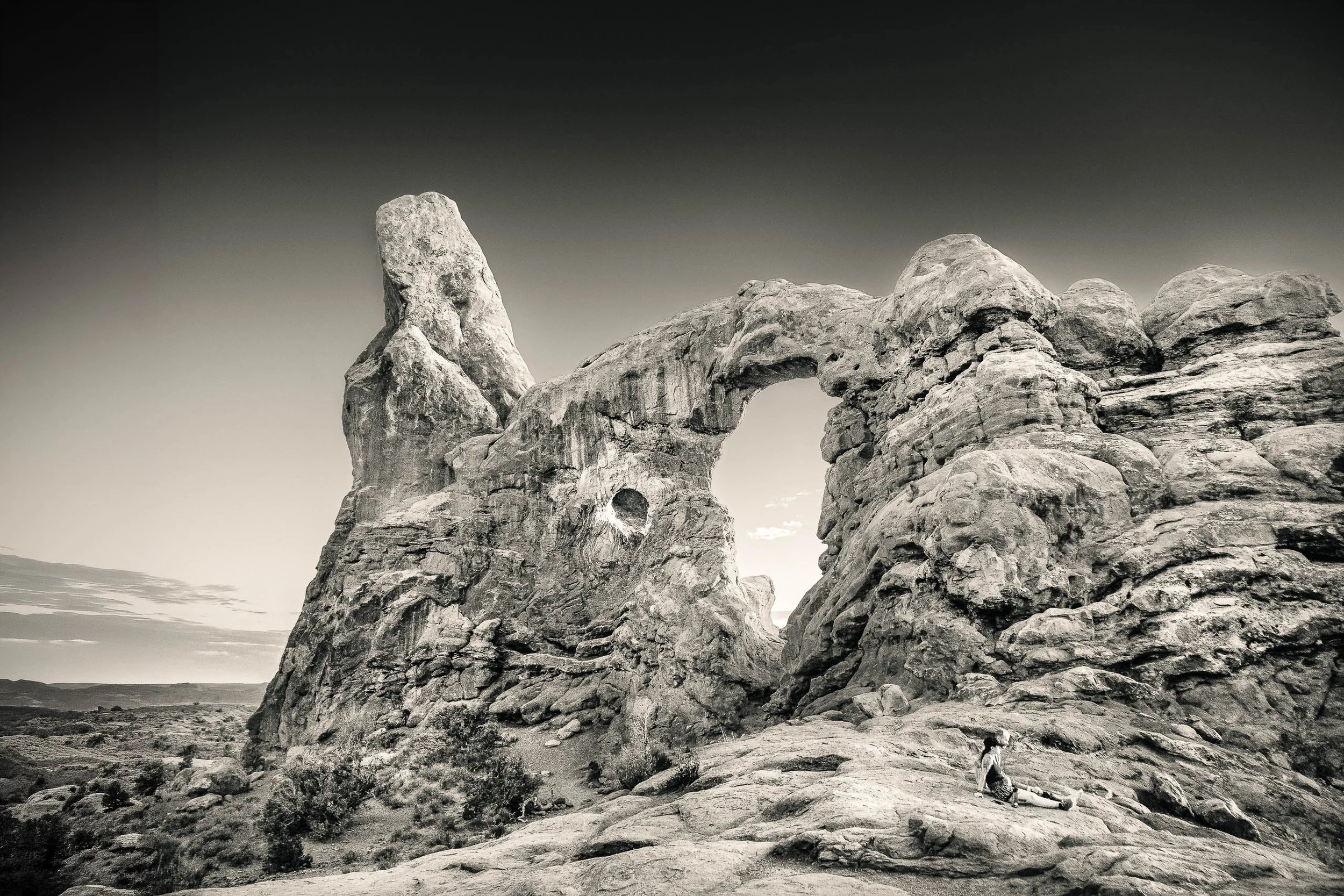
The Measure of Stone explores the relationship between human presence and geological time. Photographed in Arches National Park, Utah, the image captures a couple resting beneath a monumental sandstone formation shaped by millions of years of erosion. The vast scale of the landscape immediately dwarfs the individuals, yet their presence becomes essential to the photograph's meaning. Drawing inspiration from the monumental landscapes of Ansel Adams and the contemplative sense of place found in the work of Wim Wenders, the image reflects on perspective, permanence, and the quiet act of observation.
Rather than presenting the arch as a purely scenic landmark, the composition emphasizes the dialogue between the human figures and the surrounding stone. The sweeping arc of the formation stretches across the frame, connecting two massive rock structures while creating a visual bridge through the image. The seated figures occupies only a small portion of the composition, yet immediately becomes a focal point, providing both scale and narrative. Rendered in monochrome, the photograph emphasizes texture, shape, and light, allowing the intricate surfaces of the sandstone to emerge with sculptural clarity. The darkened sky further separates the formation from its surroundings, reinforcing its monumental presence.
The photograph is ultimately a meditation on humility and wonder. The weathered sandstone records millions of years of geological change, while the figure represents a fleeting moment of human experience. Together they create a visual reminder of our place within a much larger story. The image invites viewers to slow down, contemplate the passage of time, and consider the enduring landscapes that continue to inspire awe long after individual moments have passed.
Design & Styling
With its timeless monochrome palette, strong sculptural forms, and contemplative atmosphere, The Measure of Stone works especially well in healthcare environments, executive offices, hospitality interiors, libraries, contemporary residential spaces, and wellness-focused settings. The image introduces a sense of permanence, scale, and quiet reflection while maintaining a sophisticated visual presence that complements both modern and traditional interiors.
Curated Pairings
To create a cohesive gallery wall, consider these companion pieces from the Southwest collection:
For geological presence: Pair with Enduring Silence to continue the exploration of monumental landforms, solitude, and the enduring character of the American Southwest.
For visual continuity: Complement this piece with Study in Blue and Orange #8, extending the dialogue between sculptural stone forms, scale, and the quiet power of desert landscapes.
For thematic resonance: Pair with The First Aperture, connecting two iconic natural formations while reinforcing themes of discovery, perspective, and the relationship between human experience and the landscape.
Fine Art Presentation
Available as a signed fine art print in metal, framed paper, framed canvas, and acrylic presentation formats. To preserve the intricate sandstone textures, subtle tonal transitions, and sculptural quality of the formation, Satin Metal, Fine Art Paper, or Low-Glare Acrylic presentation is highly recommended.