
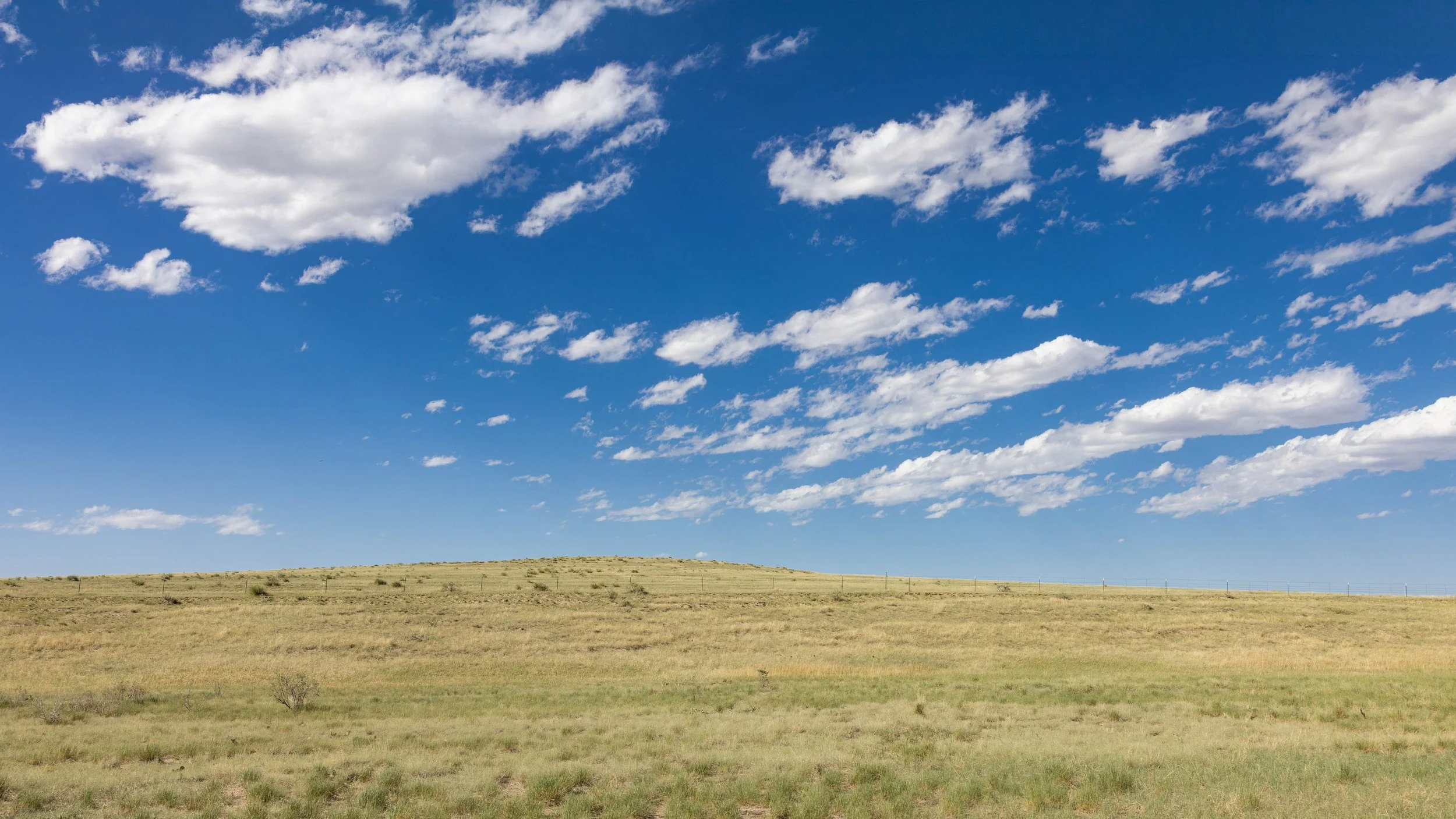
Kansas | The Flint Hills & The Open Prairie
Kansas Prairie Fine Art Landscape Photography
Kansas is not a landscape that announces itself.
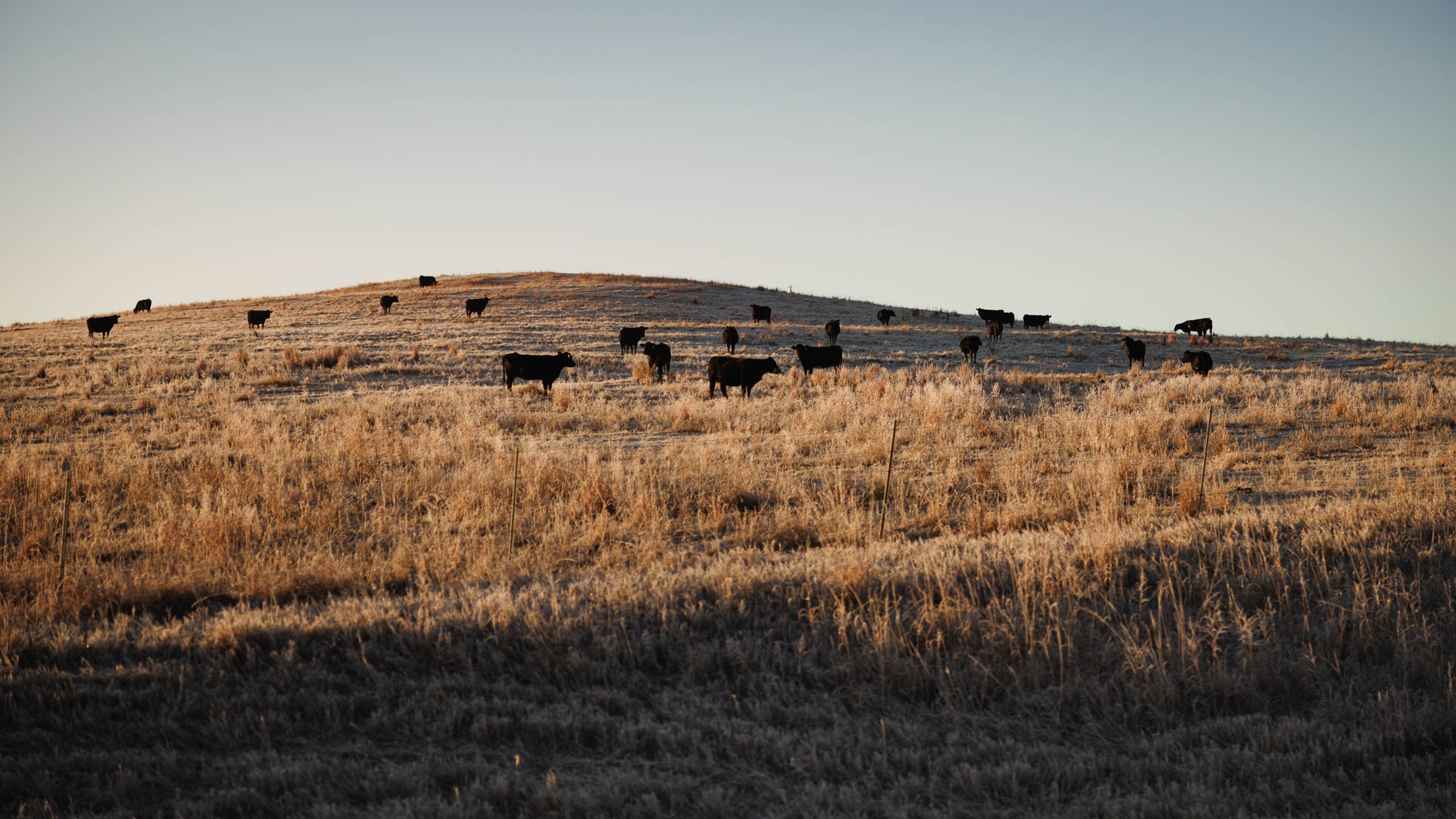
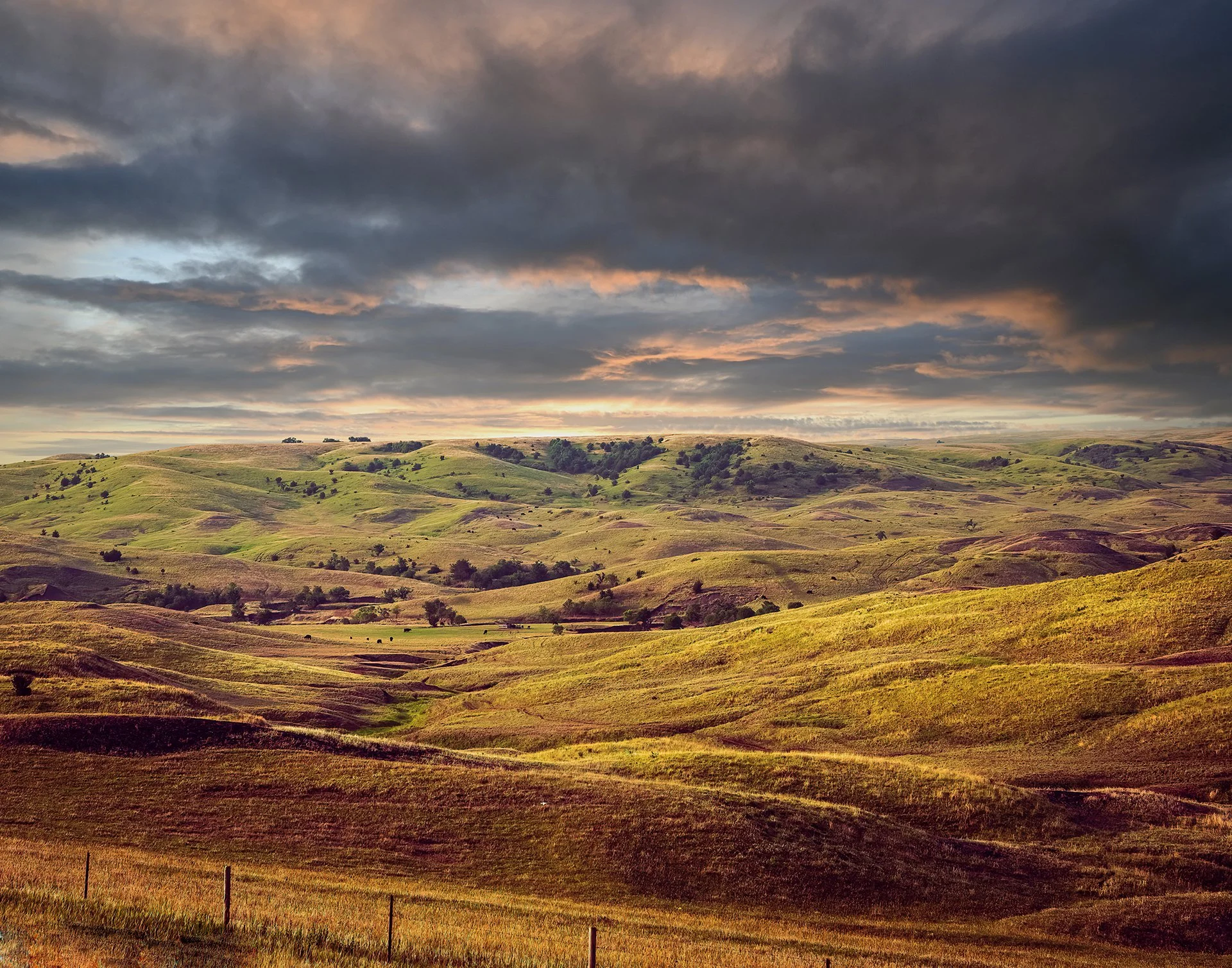
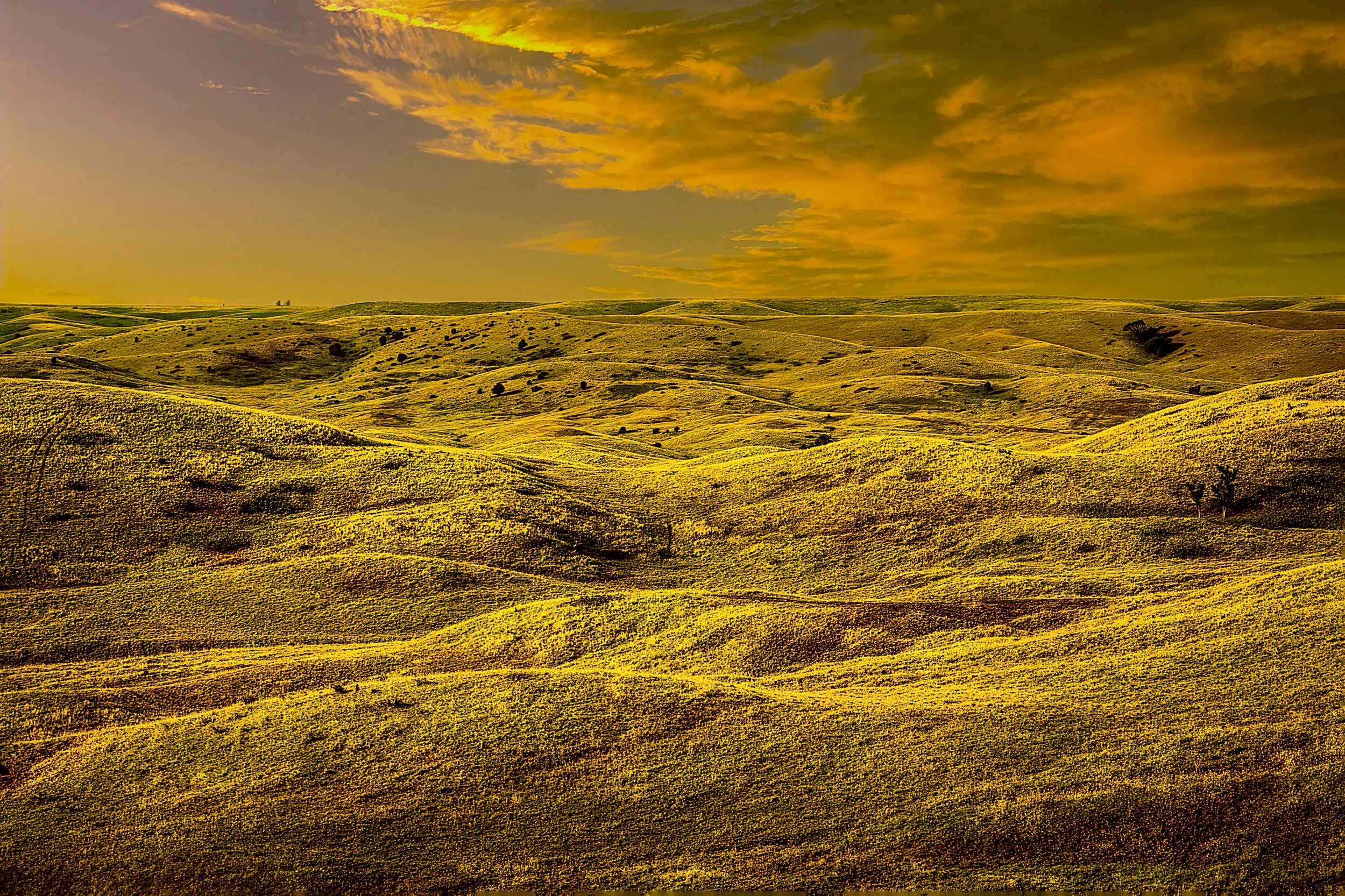
It asks for patience — the willingness to slow down, pull over, and wait for the light to do what flat land and open sky allow it to do in ways that mountains and canyons simply cannot. In the Flint Hills, the last great expanse of tallgrass prairie in North America, the land rolls in long, unbroken waves toward a horizon that seems to recede forever. The sky is not a backdrop here. It is the subject.
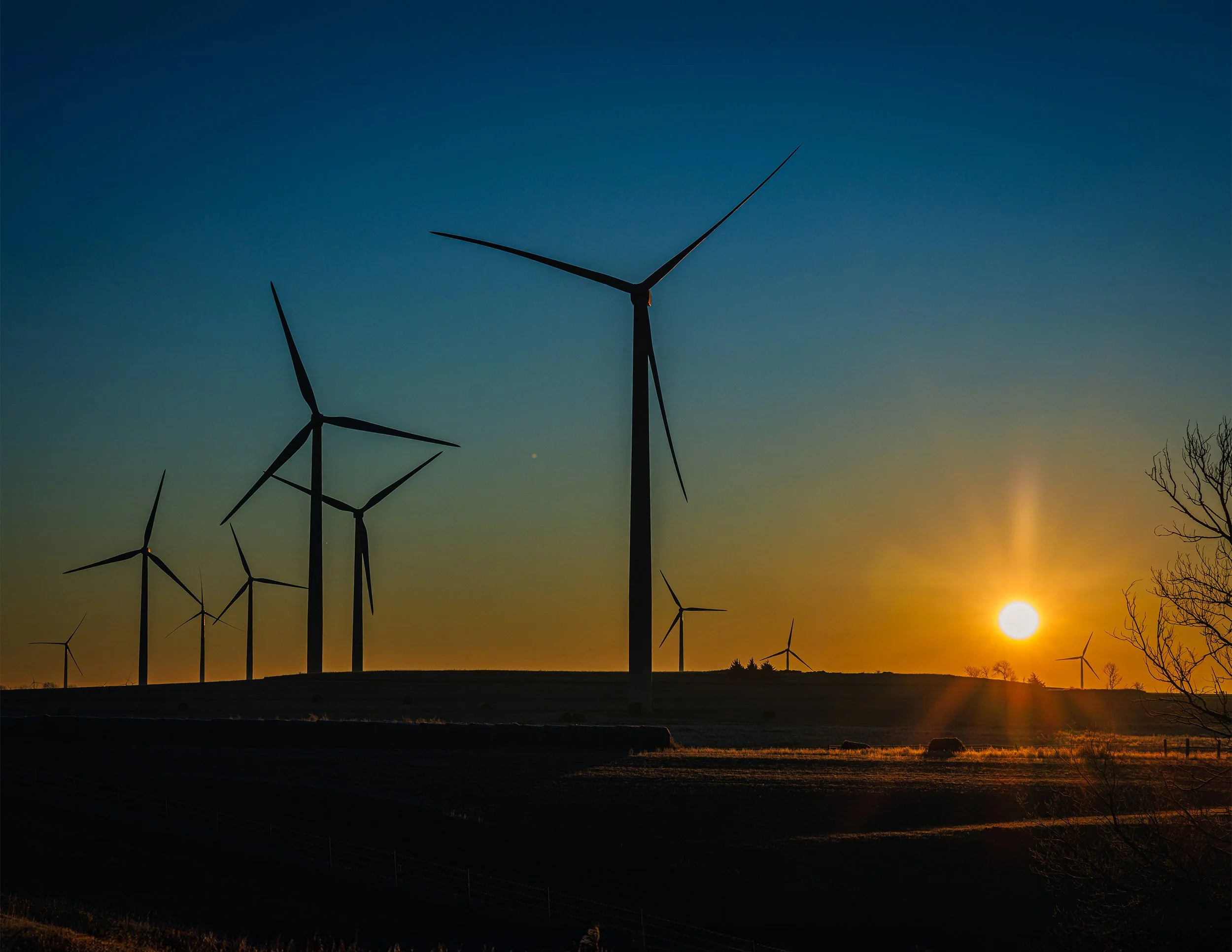
This collection documents the Flint Hills and the broader Kansas prairie through a tonalist lens — the same restraint and atmospheric attention that runs through the Missouri and Colorado work applied to a landscape that rewards exactly that approach. The grasslands at dawn, storm light moving across open plains, the geometric precision of wind turbines against a layered sky, the long low shadows of a prairie afternoon — images that find the architecture within the horizontal, the drama within the quiet.
The wind energy infrastructure of the Kansas prairie deserves particular attention. The turbines that now define large stretches of the Flint Hills skyline are not intrusions on the landscape — they are the latest expression of a relationship between this land and the forces that move across it. Photographed with the same typological rigor that Bernd and Hilla Becher brought to industrial structures, and the same respect for scale and atmosphere that Ansel Adams brought to the American West, these images treat the turbines as what they are: monumental forms in an already monumental landscape.

Bring the Silence Home
For Designers & Consultants: The Kansas collection offers something rare in fine art landscape photography — a body of work that takes the American interior seriously on its own terms, without apology or irony. The prairie palette — warm gold, storm grey, deep sky blue, and the particular green of tallgrass in late spring — pairs naturally with natural linen, warm neutrals, dark wood, and contemporary interiors where open space and visual breathing room are priorities. The wind turbine series works especially well in corporate, energy sector, and contemporary commercial environments where the relationship between landscape and infrastructure is a relevant visual conversation. Available as archival fine art prints on ChromaLuxe® Metal, TruLife Acrylic on TrueVue or low-glare acrylic, Photo Rag paper framed and unframed, and Canvas, and Wood.
Custom sizing available for site-specific installations.


Shop the Collection: All Kansas work is available through the American Places and Western Silence collections.
“As I looked about me I felt that the grass was the country, as the water is the sea. The red of the grass made all the great prairie the colour of winestains... And there was so much motion in it; the whole country seemed, somehow, to be running.
”

Hoarfrost, Kansas is a winter photograph about what remains when the horizon disappears: a single tree, every branch coated in hoarfrost, standing in ice fog so thick the Kansas prairie dissolves into cream around it. Made near Salina in January 2024.
The crown fills the left of the frame in fine, branching detail, each twig outlined in frost. The eye enters there, follows the trunk down to the frozen grass, then runs along the wire fence to a weathered brace post on the right, where a small dark tag hangs from the wire and frosted plants stand in front of the post, details easy to miss on a first look. Nothing in the image announces itself. The tree and the fence have to be found, one after the other, in the pale space between them.
The photograph carries the restraint of Andrew Wyeth's rural winter studies, where a fence line or a field says as much as a figure, and the quiet tonal discipline of the monochrome landscape tradition. Ice fog leaves hoarfrost on everything it touches, and the cool-neutral tone lets that frost read as frost, silver and crisp, while the fog stays clean and soft.
Design & Styling
With its pale, cool-neutral palette and calm horizontal composition, Hoarfrost, Kansas suits bedrooms and reading rooms, spa and wellness interiors, lodge and boutique hotel corridors, and offices where a quiet, light-filled wall is wanted. It reads best on a wall with some breathing room, over a console or a headboard, where the soft tones can stay the subject. It is also a natural fit for Midwest homes and for anyone with ties to the Kansas prairie.
Curated Pairings
For shared place: Pair with Stillness Over Flint Hills, also made on the Kansas prairie, where layered clouds and open horizon give the same quiet register in a different season and light.
For shared subject: Complement with Beneath the Judgment Tree, where the same single-tree composition is set in summer green under a clear blue sky.
For shared concept: Complement with The Long Goodbye, which also gives a single bare tree the whole frame, set against a sunset sky where this one stands in white fog, a deliberate contrast of warm color and pale stillness.
For shared formal treatment: Pair with Between Us, the Field, where mist veils the distance and a lone farmstead holds the middle of the frame in the same muted, Wyeth-inflected register.
For shared motif: Complement with What the Tree Kept, a quiet study of a tree and a weathered iron fence, where the fence has become part of the tree over time; here the frozen fence line stands beside the tree, a different answer to how the two share a place.
Fine Art Presentation
Available as a signed, numbered limited edition print (edition of 15) in ChromaLuxe® Metal, TruLife Acrylic, archival paper, canvas, and wood presentation formats. Because the sky is nearly paper white, the image can lose its edge on a white wall, so framed archival paper with a warm white mat is the strongest presentation: the mat holds the border and the paper's matte surface keeps the frost texture soft. Canvas suits the diffuse, fog-softened tones as an alternative. On ChromaLuxe® Metal, a matte or semi-gloss finish is recommended over gloss so reflections do not compete with the pale tonal gradations.