
Fine Art Photography Gallery
Fine Art Gallery: Curated Photography Collection
My work has been exhibited across more than a dozen galleries, institutions, and corporate collections throughout the St. Louis and Colorado regions
— including the International Photography Hall of Fame, Webster Arts, Commerce Bank, Busey Bank, and the Center for the Arts in Evergreen, Colorado,
I have regular participation in juried art festivals throughout the Midwest and Rocky Mountain West.
At the Webster Arts Gallery, Storm Gate received First Place and Lavender Rhapsodyreceived Second Place, part of a continuing track record of jury acceptance, award recognition, and institutional placement across both regions. I received second place recognition at the Green Door Gallery.
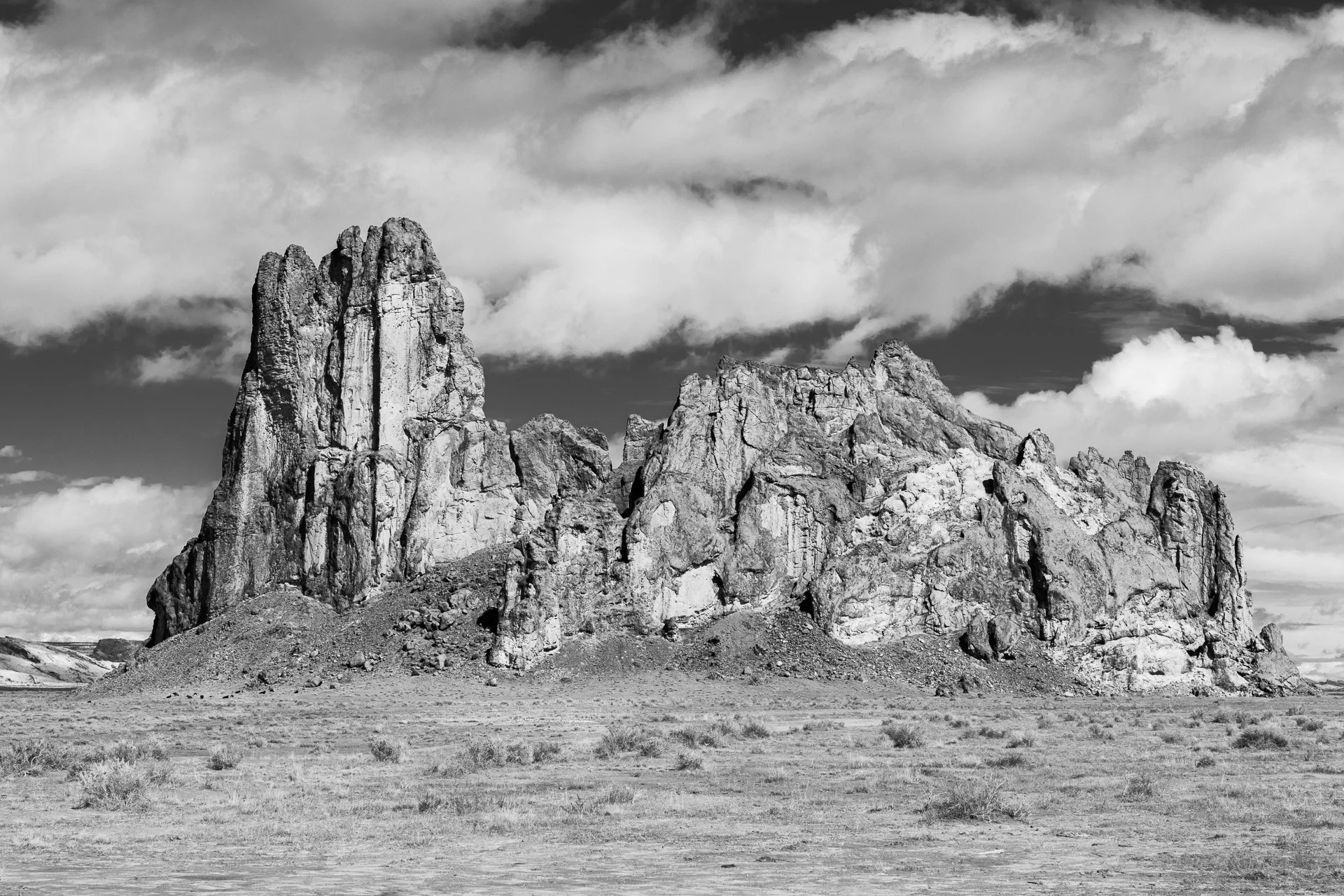
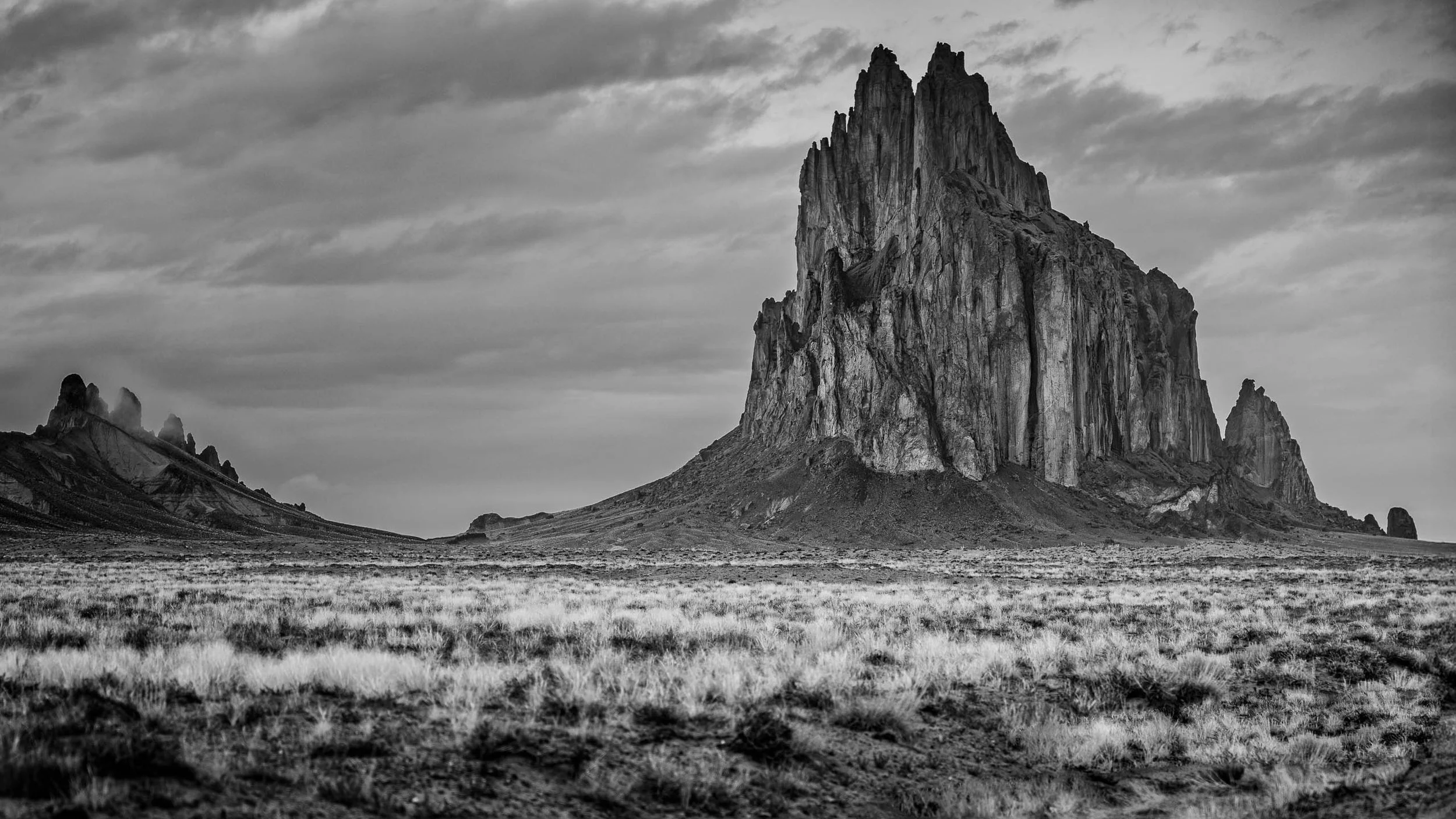
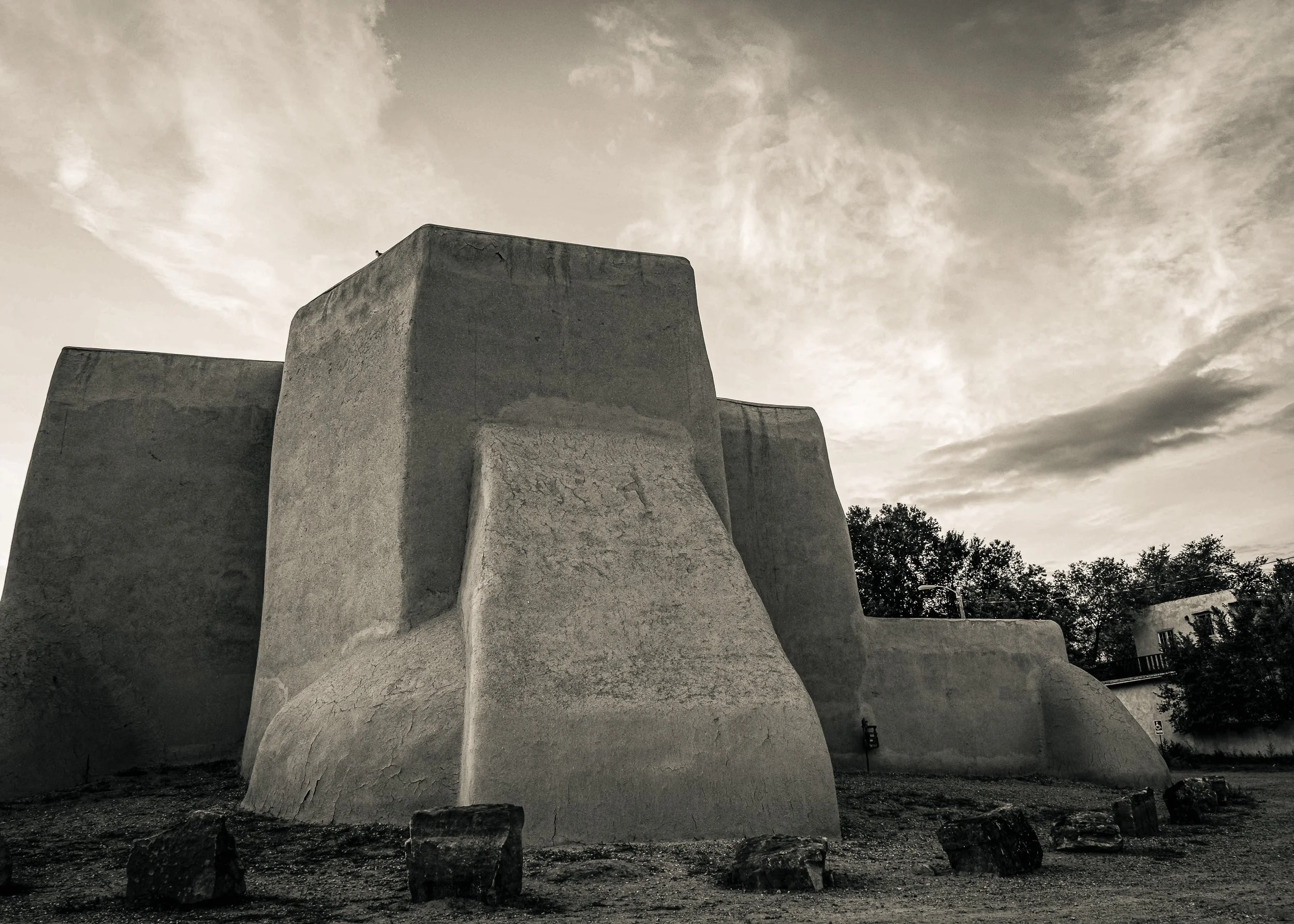
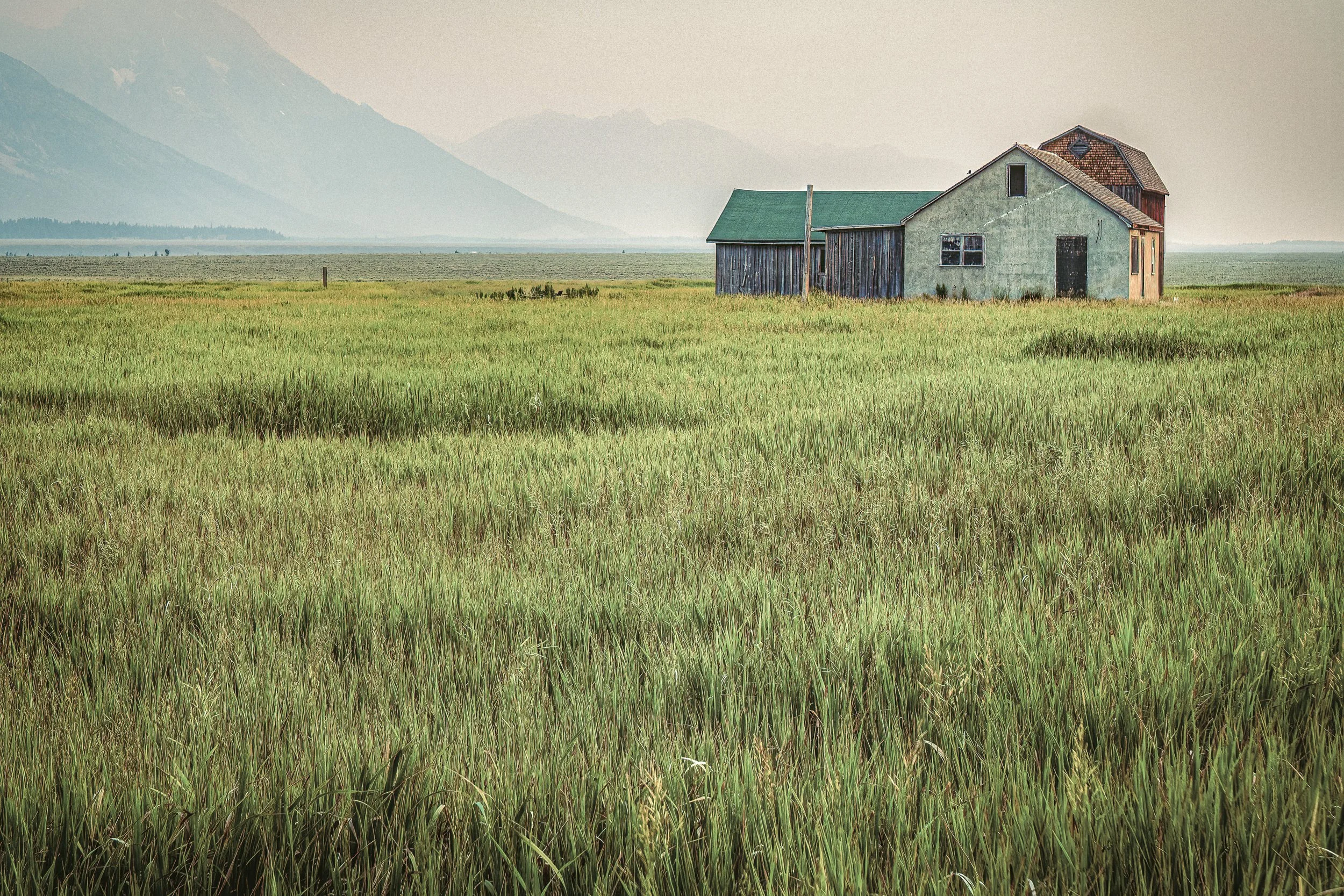
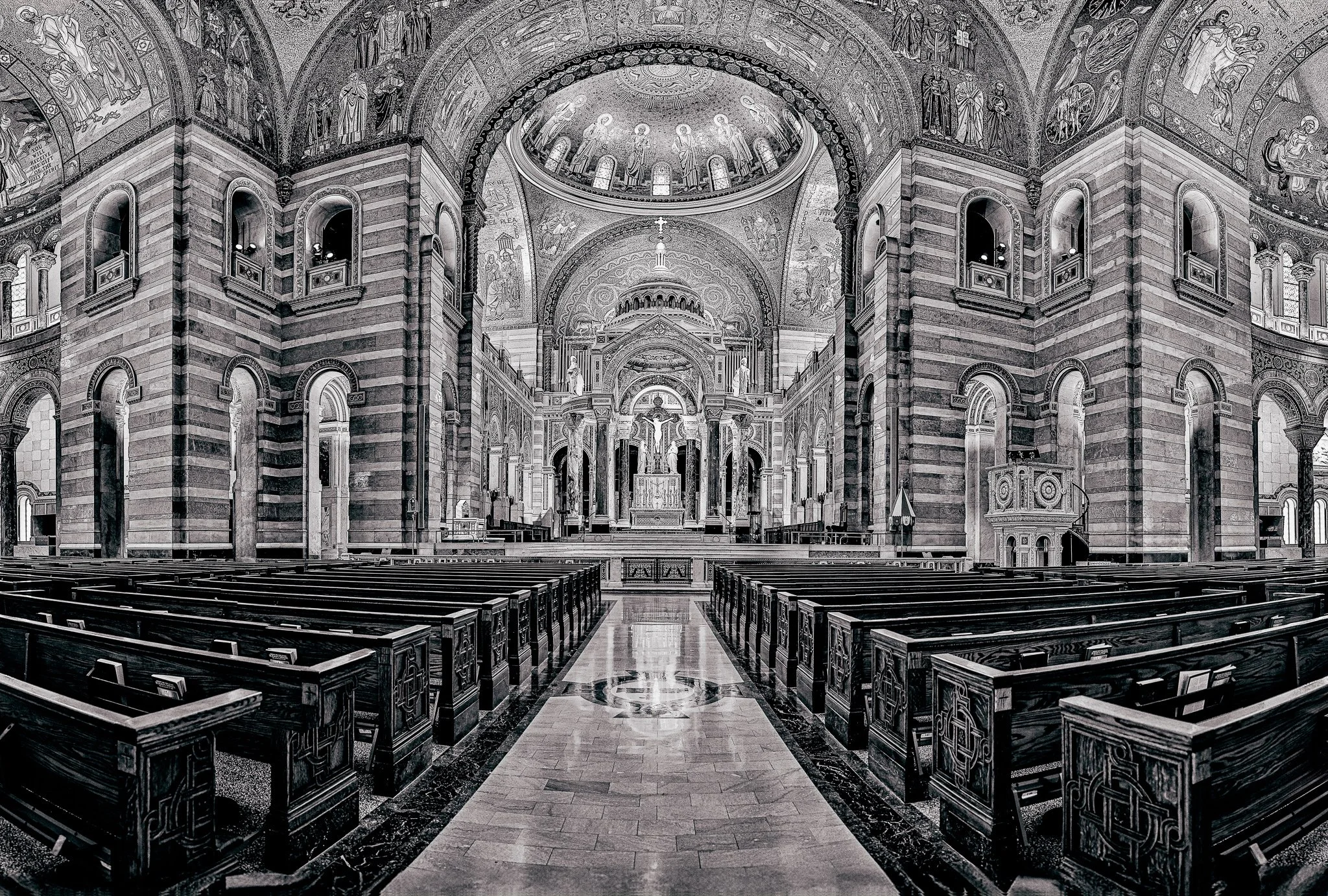
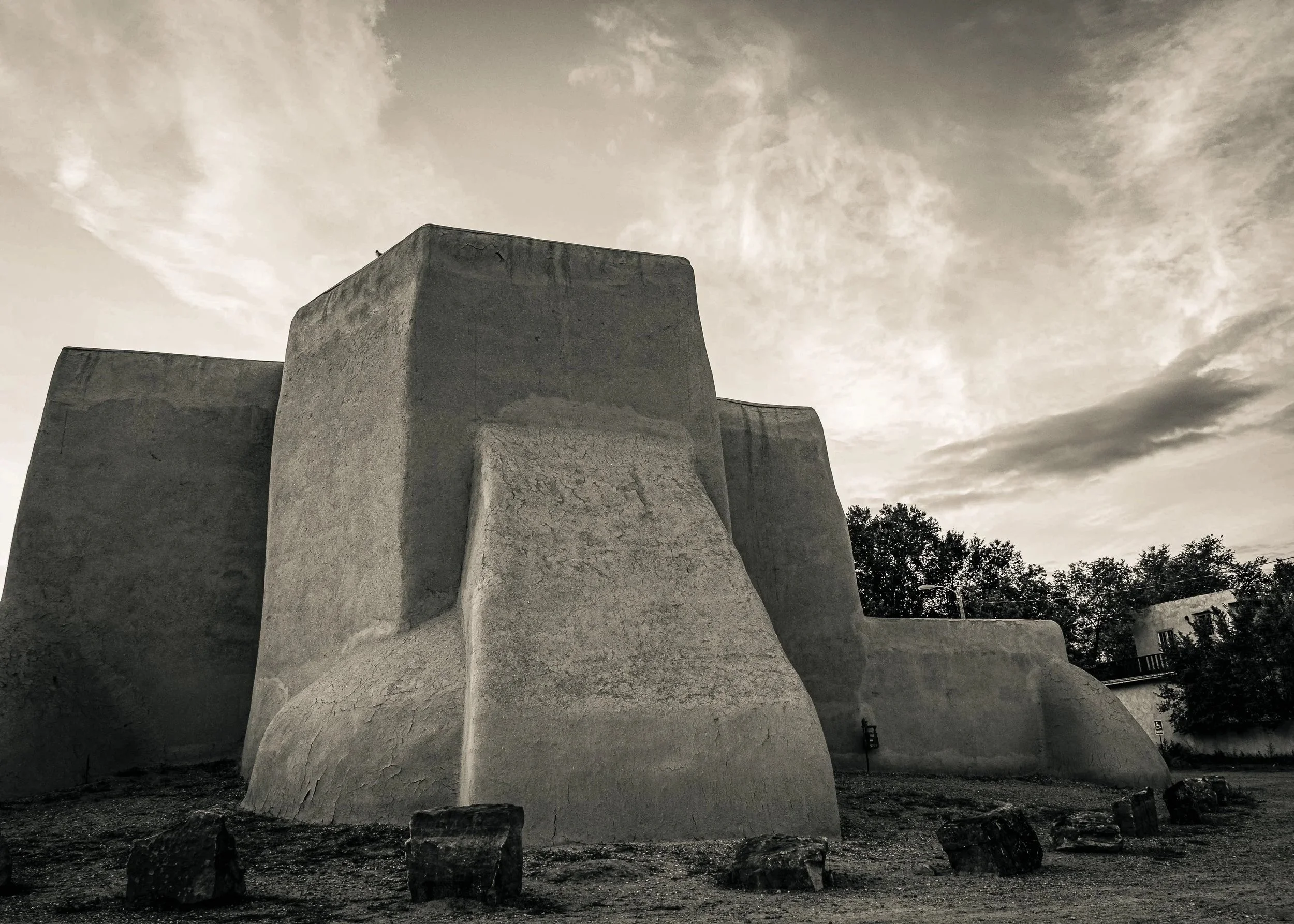
The photographs themselves are shaped by restraint, atmosphere, and spatial presence — landscape and architectural forms built on the quiet modulation of light rather than dramatic gesture, intended to reward sustained viewing as both standalone pieces and a cohesive long-form body of work.
For gallery representation inquiries, please reach out directly.

I have regular participation in juried art festivals throughout the Midwest and Rocky Mountain West.
At the Webster Arts Gallery, Storm Gate received First Place and Lavender Rhapsody received Second Place, part of a continuing track record of jury acceptance, award recognition, and institutional placement across both regions. I received second place recognition at the Green Door Gallery.
The photographs themselves are shaped by restraint, atmosphere, and spatial presence — landscape and architectural forms built on the quiet modulation of light rather than dramatic gesture, intended to reward sustained viewing as both standalone pieces and a cohesive long-form body of work.
Process:
The final print is not a reproduction of the photograph — it is the photograph. My process moves through Lightroom and Photoshop, then Nik for fine-grained tonal and color control, On1 for dynamic contrast and detail work, and finally TK9's luminosity masking for the last, most precise adjustments. I print exclusively on archival substrates — ChromaLuxe® Metal, TruLife Acrylic on TrueVue or low-glare acrylic, and Photo Rag paper — through a fine art printer whose standards match the demands of the work.
This body of work is refined through a continuous cycle of editing and archival-grade printing, re-sequenced as new work emerges to maintain a progressive trajectory suited to gallery representation and institutional placement.




Between Seasons finds a single stand of golden aspen breaking the deep green monotony of the pine forest ringing Bear Lake in Rocky Mountain National Park, the whole scene doubled in the lake's still, clear water beneath an overcast autumn sky.
A large rock breaks the water's surface in the foreground, its texture and the submerged stones beneath it visible through the lake's remarkable clarity — a quiet anchor before the eye travels across calm water to the one patch of turning color on the far shore, then up to the granite face of Hallett Peak rising through the mist. The reflection doubles nearly the entire scene, mountain and forest both mirrored in the glass-still surface below.
Bear Lake is among the most photographed vantage points in Rocky Mountain National Park, but the flat, overcast light and the deliberate isolation of a single aspen stand — rather than a broad sweep of peak fall color — pull this away from the postcard version of the view, continuing the same interest in a quiet, singular detail found in pieces like What the Bark Remembers.
Design & Styling
With its muted, atmospheric palette and unmistakable Rocky Mountain setting, Between Seasons is well suited to mountain lodge and cabin interiors, ski resort lobbies, and healthcare or senior-living settings where a calm, non-jarring nature subject is preferred.
Curated Pairings
For shared place: Pair with Held at Rest, photographed in the same park — an elk herd rather than a lake, but the same quiet, muted Rocky Mountain register.
For shared formal device: Complement with What the Bark Remembers, which uses the identical visual idea of a single lit aspen note set against a dense wall of dark pine.
For shared formal treatment: Pair with The Silent Assembly, which shares the same device of a still, mirror-calm water surface doubling the scene above it against a darkened forest backdrop.
Fine Art Presentation
Available as a signed, numbered limited edition print (edition of 15) in Gallery Metal, ChromaLuxe® Metal, TruLife Acrylic, archival paper, canvas, and wood presentation formats. The clear, reflective water suits TruLife (Low-Glare) Acrylic particularly well, giving the reflection real depth and luminosity; canvas is a strong alternative for a softer, more painterly rendering of the misty, overcast palette.
Note: Custom and oversized photographic prints are available. Please contact the studio directly to discuss custom framing, matting, or specialized museum glass options.