
Introducing Wim Wenders
Wim Wenders is best known as a filmmaker, but his photography stands on its own as a remarkable exploration of place, solitude, and atmosphere. Through images of empty roads, overlooked landscapes, and quiet urban scenes, Wenders invites viewers to slow down and discover the stories hidden within ordinary spaces.
Wim Wenders and the Poetry of Place
Many people know Wim Wenders as an acclaimed filmmaker. Films such as Paris, Texas and Wings of Desire helped establish him as one of the most distinctive visual storytellers of the last half-century. Yet alongside his filmmaking, Wenders has built an equally compelling body of photographic work.
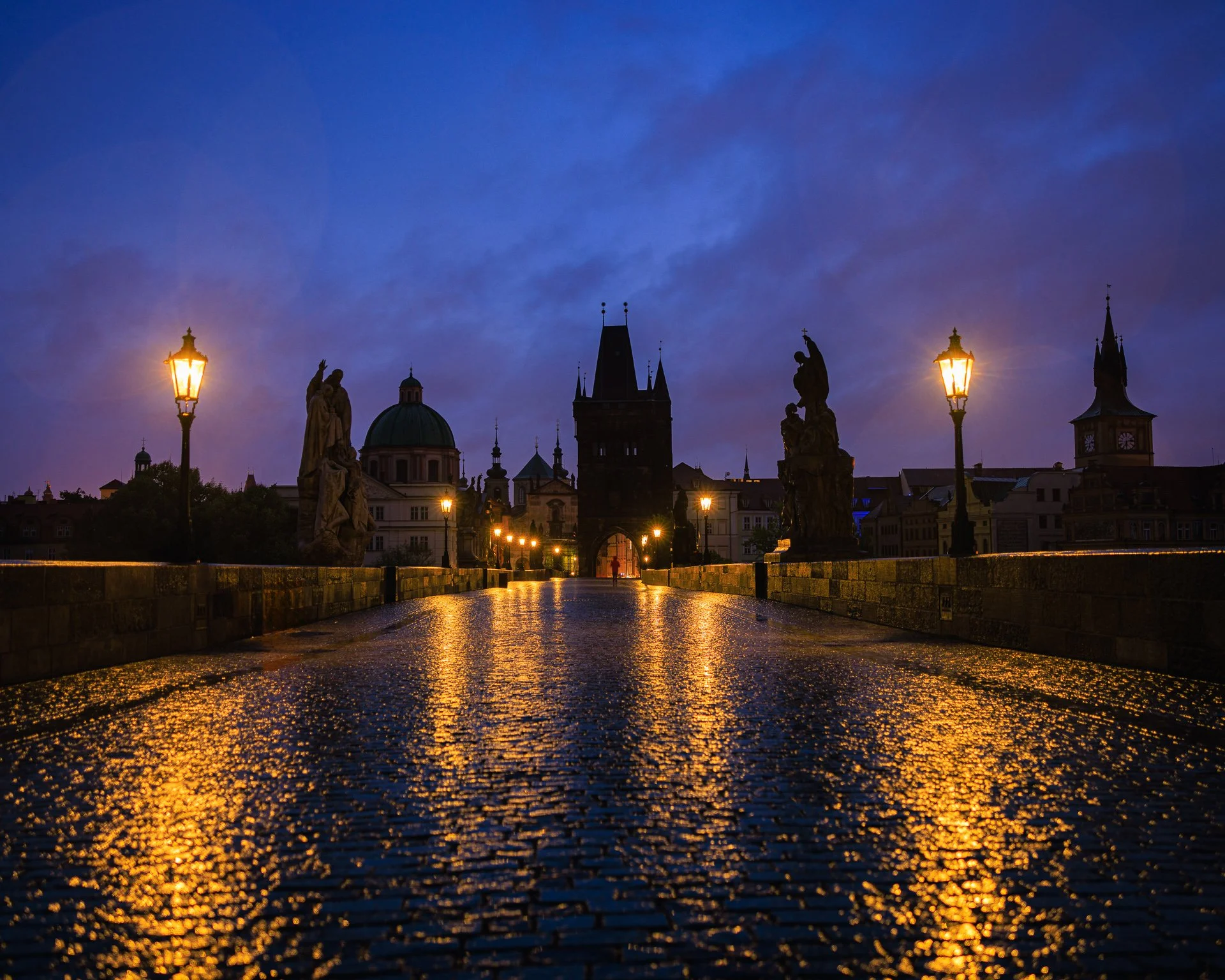
His photographs are often quiet. Roads stretch toward distant horizons. Buildings stand empty beneath expansive skies. Motel rooms, storefronts, gas stations, and overlooked landscapes become subjects worthy of contemplation. Human figures appear only occasionally, and when they do, they are often small within the larger environment.
What makes Wenders' photography so compelling is his ability to transform ordinary places into something more meaningful. He is not searching for famous landmarks or dramatic events. Instead, he looks for moments where atmosphere, light, and place come together to create a sense of mystery.
Many of his images were made while traveling, yet they rarely feel like travel photography. They are less concerned with documenting a location than with capturing its emotional character. A road in the American Southwest becomes a meditation on distance. An empty building suggests forgotten stories. A city street feels suspended between past and present.
Wenders has often spoken about the importance of observation. His photographs encourage viewers to slow down and pay attention to places that might otherwise be ignored. In a world increasingly focused on speed and distraction, his work reminds us that meaning can often be found in stillness.
Perhaps that is why his photographs resonate so deeply with photographers and viewers alike. They suggest that every place has a story, even when no one is present to tell it.
The best photographs do not always provide answers. Sometimes they simply invite us to linger a little longer.
That invitation lies at the heart of Wim Wenders' photography.
The Bone Structure of the Land
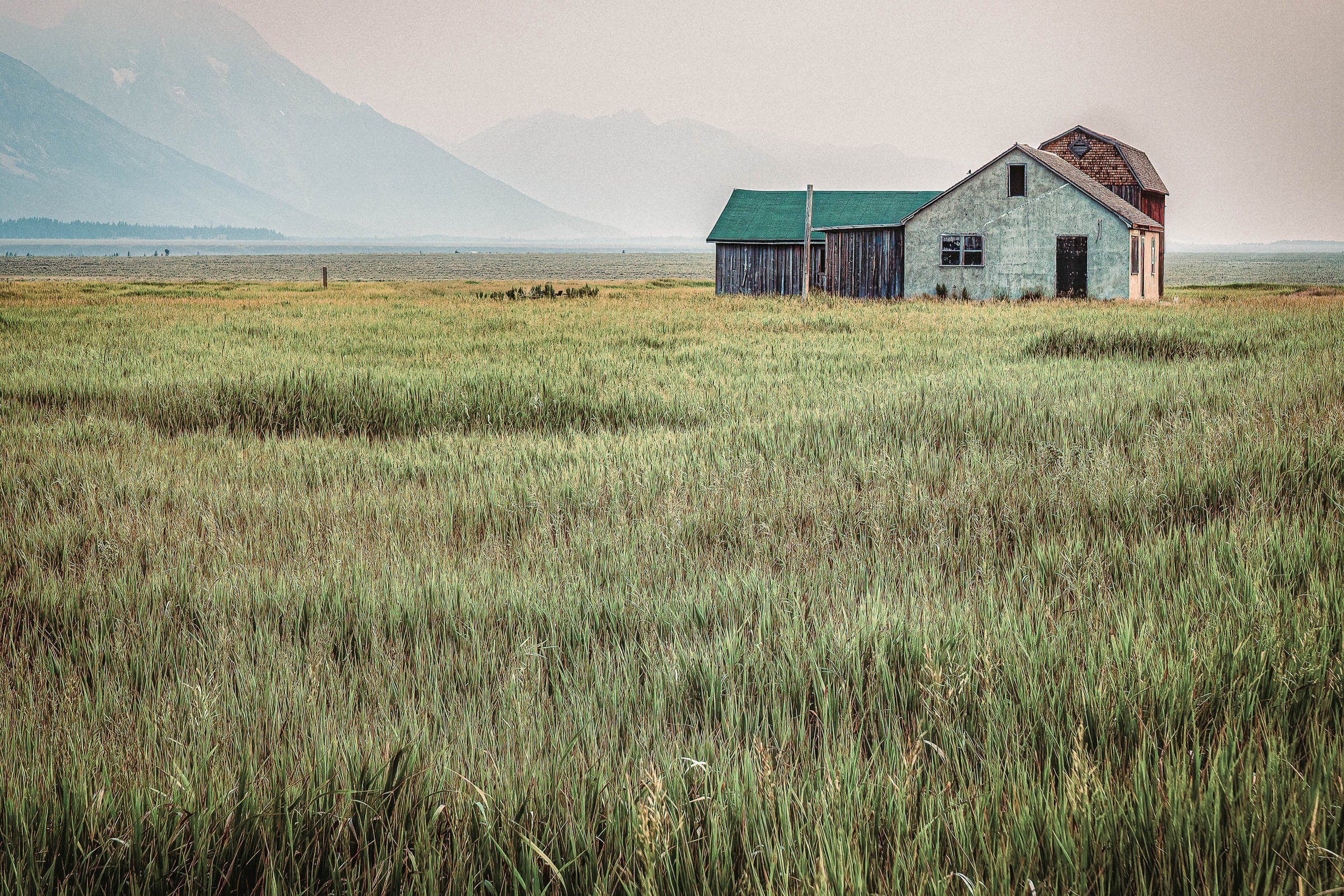
The Weight of the Horizon: Wyeth often used vast, "empty" spaces to create a sense of longing or distance. In this composition, the field isn't just grass—it's the physical representation of the time and space between the viewer and history.
Echoes of Andrew Wyeth in "Between Us, the Field"
There is a specific kind of silence found in the American landscape—a silence that feels heavy, intentional, and ancient. When I stood before the Pink House on Mormon Row in the Grand Tetons, I wasn’t just looking at a historic structure; I was looking at what the painter Andrew Wyeth called "the bone structure" of the world.
The Wyeth Connection
Andrew Wyeth, one of the most influential American artists of the 20th century, had a profound way of stripping away the "noise" of a scene to find its emotional core. He famously preferred the muted tones of autumn and winter, focusing on earth, sky, and weathered wood.
In my piece, Between Us, the Field, I leaned into several Wyeth-inspired principles:
The Weight of the Horizon: Wyeth often used vast, "empty" spaces to create a sense of longing or distance. In this composition, the field isn't just grass—it's the physical representation of the time and space between the viewer and history.
Textural Narrative: Much like Wyeth’s "dry brush" technique, I used a high-contrast tonal range to emphasize the grain of the wood on the Pink House and the rhythmic texture of the prairie. I wanted you to feel the wind-burn on the siding.
Desaturated Emotion: By pulling back on the vibrant "postcard" colors of the Tetons and focusing on a more "painterly" palette, the house becomes a solitary character in a larger, atmospheric story.
Why Matte Matters
Because this work is so heavily influenced by the tradition of tempera and watercolor painting, the presentation is critical. This is why I primarily offer this piece in a Matte or Satin finish.
A high-gloss finish would act as a barrier, reflecting the room around you. A Matte Fine Art Paper or Satin Canvas, however, absorbs the light, allowing you to look into the field rather than at the surface. It preserves that "quiet" quality that Wyeth spent his life perfecting.
Introducing Andrew Wyeth "The Magic of the Commonplace"
It All Begins Here - with Andrew Wyeth
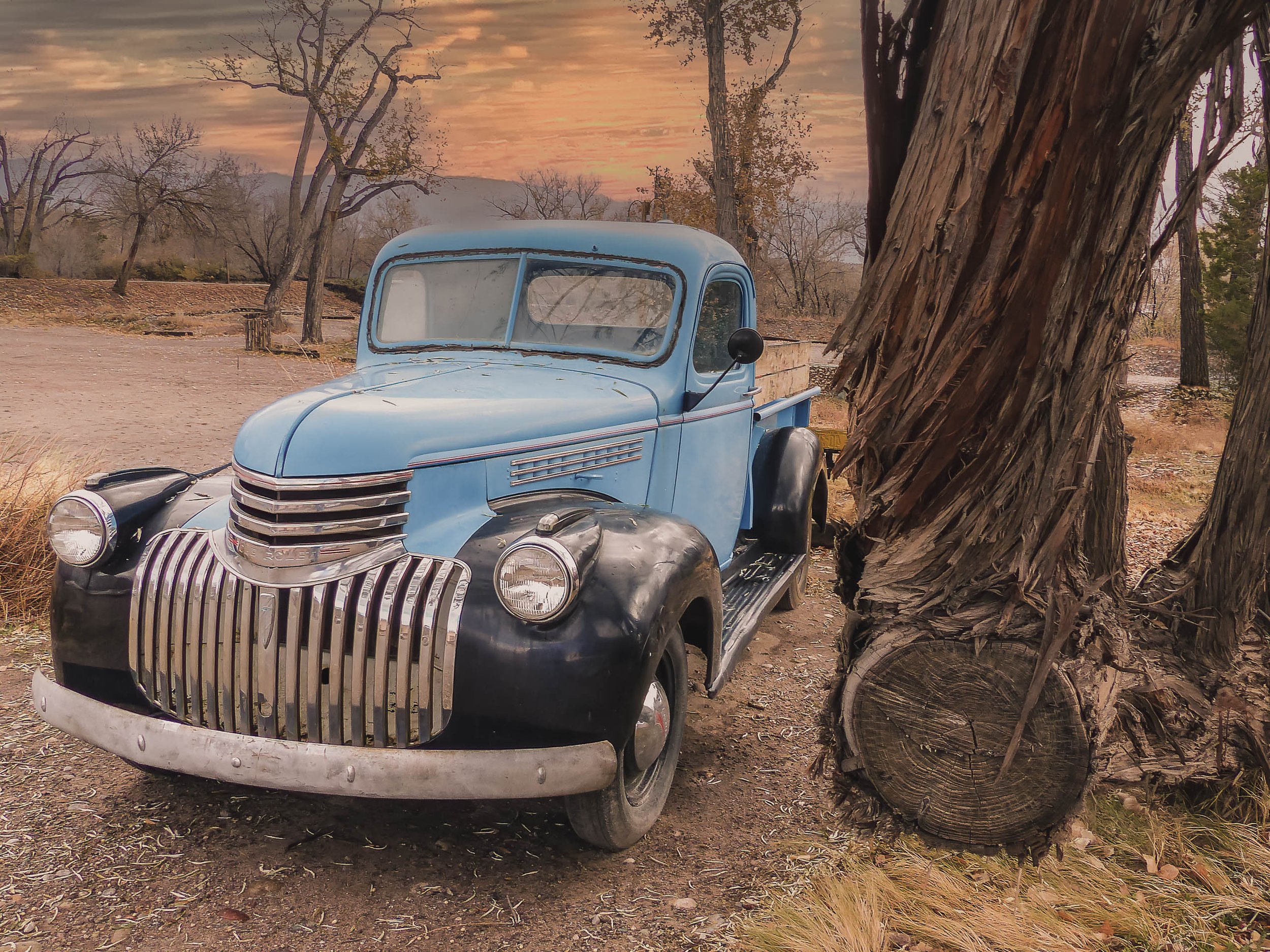
Wyeth didn't look for the spectacular; he looked for the overlooked. He once said, "I prefer winter and fall, when you feel the bone structure of the landscape—the loneliness of it."
The Palette: He favored earth tones—ochre, bone white, muddy browns, and slate grays. This aligns perfectly with your preference for Satin and Matte finishes, which handle these subtle tonal shifts better than high gloss.
The "Bone Structure": Like Enduring Forms, Wyeth focused on the underlying geometry of a hill or the structural ribs of a barn.
2. The Technique: Egg Tempera and Dry Brush
To understand his look, you have to look at his medium.
Egg Tempera: This was his primary medium. It dries almost instantly, requiring thousands of tiny, rhythmic strokes. This created a rhythmic texture that feels vibrating and alive, even in a still image.
Dry Brush: He used a brush with very little moisture to create "scratchy," high-detail textures (like dead grass or weathered wood). This is the "painterly" detail you often seek in post-processing.
3. The Philosophy: Emotional Realism
Wyeth was often called a "Realist," but he considered himself an Abstractionist.
Isolation: He often placed a single object or person in a vast, atmospheric field (much like Between Us, the Field.
The "Hidden" Narrative: His paintings feel like a movie frame where something just happened or is about to happen. There is a tension in the silence—a "waiting" quality that mirrors your Waiting for a Ride.
4. Key Works to Study for Photography
"Christina's World" (1948): The ultimate study in perspective and the "weight" of a field.
"Wind from the Sea" (1947): A masterclass in atmospheric depth using a simple window and sheer curtains.
"The Helga Pictures": A series that shows how he obsessed over a single subject for years, finding new light and angles—much like how one returns to the Mormon Row barns.